I Went to the Woods: Finding time for the best days of our lives
Published 4:30 am Saturday, May 16, 2026
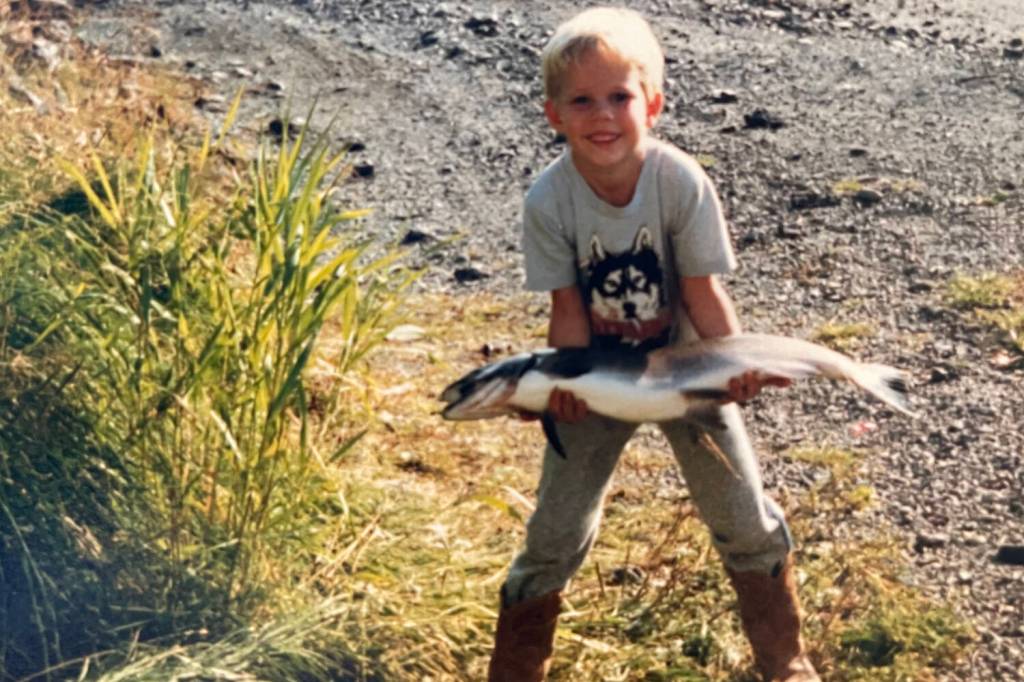
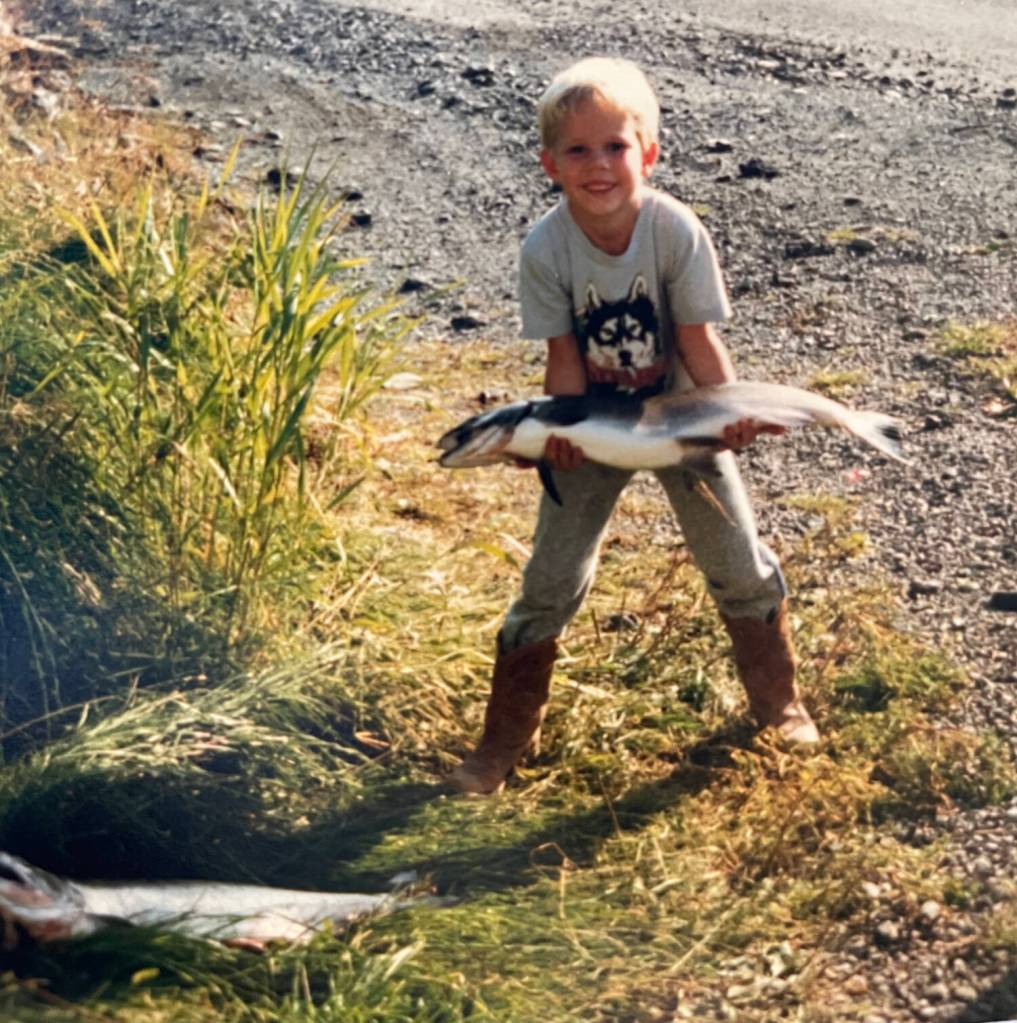
For the second day in a row, a student shared a steelhead photo with me between classes. These aren’t the sons of guides or the next generation of angling influencers. They are honest kids who went to road system rivers by themselves because they felt like it.
The first fish was dark with a slender physique, a few inches under 30, I guessed. The second student caught one with similar dimensions but wore the shine of the spring run.
Their success reminded me I haven’t been out much, but what was most interesting was the absence of envy. I hadn’t been wasting the extraordinarily pleasant weekends, I simply hadn’t gone. Steelhead fishing was moved down the list and all I could do was shrug it off.
“Nice clean release?” I found myself asking in a tone that I hoped carried a mentorship tone instead of lecture.
“Oh yeah, they swam off fine,” both reported.
The interactions were disproportionately uplifting. I have noticed the need to beat back feelings of doom. That’s not the right word. I need something less absolute. Calamity? Steelhead populations, habitat destruction, the state’s financial situation, the coming AI disruption. Data centers to accommodate the use of AI are creating significant conflict between residents and corporations over energy use, water, and even an ever-present hum that can be heard from a distance.
More locally, what will Alaska schools look like in five, ten years? Will we find meaningful solutions to crumbling infrastructure? Will we elect leaders with ideas about making the lives of Alaskans better? Or will we be stuck with people who will treat their position like a stepping stone to more power and influence? This school of worries swims around in my head because my daughter isn’t two years old yet, but I can’t help wondering what her Alaskan experience will be. Will we be able to enjoy the solitude of steelhead fishing? Or will populations dwindle while more local rivers are crowded for what’s left?
My focus can be so much on the shifting baselines and what we’ve lost, that I forget what we still have.
When I broaden my view it’s easy to see how overwhelmed middle-aged people were with the coming of new things. That doesn’t mean there’s nothing to worry about, far from it, but there are moments I think these are the best days of my life. The way my daughter will hear me making breakfast and say, “daddy” from the top of the stairs is second only to when she runs into my arms to wipe her nose on my shoulder.
My wife is building her second greenhouse and I am about to break ground on building a cabin. A cabin I am unqualified to build. A cabin I jokingly call the “AI apocalypse cabin.”
The best days of my life are not days without worry. There is always a bit of residue from previous catastrophes and upheavals. But if I’ve learned anything as an adult, it’s that life undulates. As much as I am aware of potential future threats, I don’t want to hurry and get there by failing to appreciate today. I think back to teaching before COVID, one-to-one and smartphones when it was all paper handouts, lined paper and pens. The problems of the day seemed enormous, but we had no clue how technology would erode skills and values.
Now we know, and distrust of technological advances is warranted. Scrutinizing the motives of politicians is not over-blown cynicism.
Still, kids are going to the river to fish because that’s what kids do. They go outside and they play.
There’s always hope.
Jeff Lund is a freelance writer based in Ketchikan. His book, “A Miserable Paradise: Life in Southeast Alaska,” is available in local bookstores and at Amazon.com. “I Went to the Woods” appears twice per month in the Juneau Empire.