Unified Command switches from response to recovery in aftermath of flooding
Published 10:30 pm Wednesday, August 13, 2025
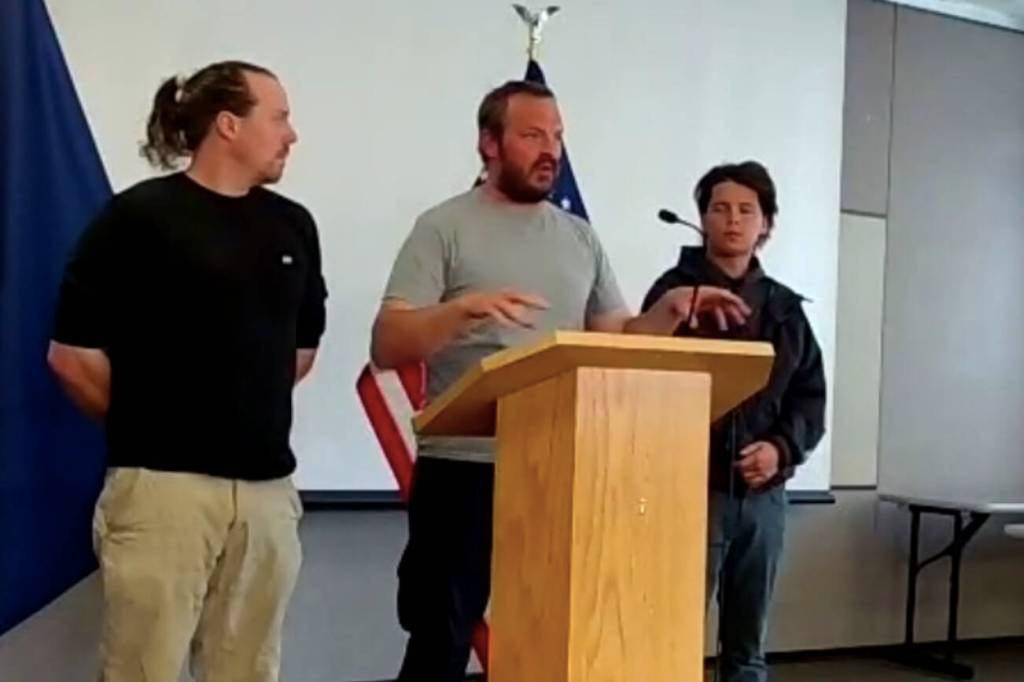
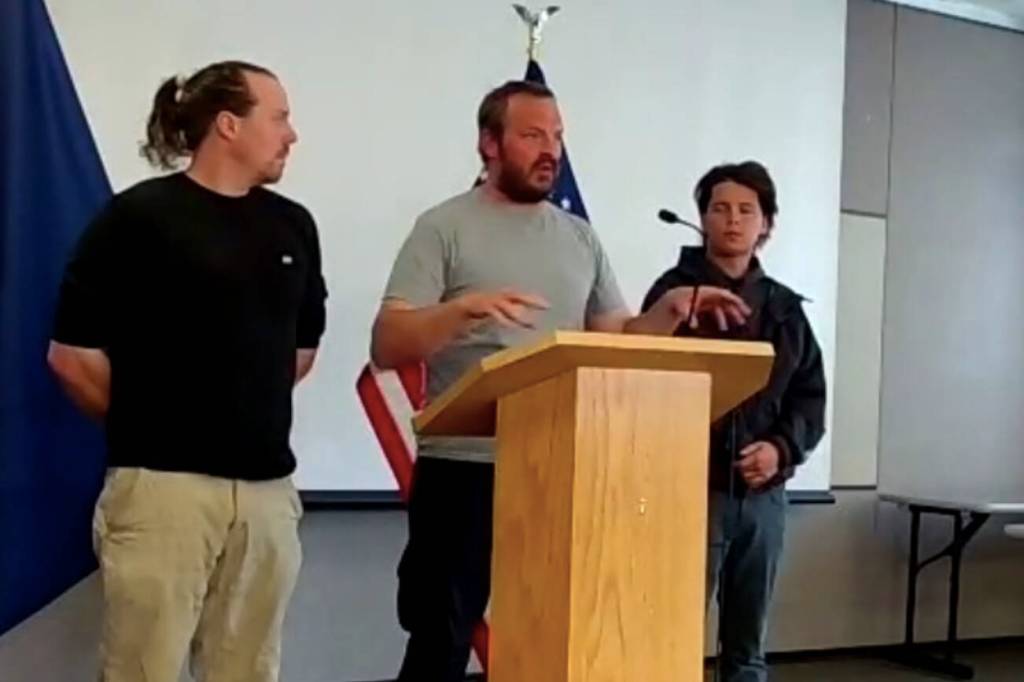


At a Thursday morning press conference, the GLOF Unified Command team said they’ve officially begun recovery efforts following the Suicide Basin glacial outburst. The annual Mendenhall River flooding event began Monday afternoon and crested Wednesday morning at a record 16.65 feet.
As of Thursday morning, the river was at 5.5 feet and falling. Nicole Ferrin with the National Weather Service said there was no imminent rain forecast, helping aid in recovery and damage assessment efforts.
Sabrina Grubitz, Tlingit & Haida public safety manager, said the community will start to see preliminary damage assessment teams in affected neighborhoods as Unified Command moves from response to recovery efforts. Data collection from the assessment teams will help gather a better understanding of flood ramifications.
Ryan O’Shaughnessy, City and Borough of Juneau emergency programs manager, said United Way of Southeast Alaska will help aid in community needs and recovery efforts, and plans on setting up a command post and volunteer center at Melvin Park, 4098 Riverside Drive.
Denise Koch with CBJ public works said the Meander and Marion Drive neighborhoods experienced concentrated seepage through the HESCO barriers.
Additionally, a 15-foot section of the barriers by the Dimond Park Field House was struck by a tree, although Koch said no water permeated.
Koch acknowledged the HESCO barrier project managers — Carleton Shorey, Nick Druyvestein and Jeffrey Thole — for their work over the last few months in managing the installation of the HESCO barriers. She said they will spend Thursday assessing the barriers along with members of the U.S. Army Corps of Engineers and a HESCO representative. Response after assessment will include adding new panels to areas that were damaged or compromised, evaluating the ground in areas that saw seepage, and replacing the 15-foot section by Dimond Park.
O’Shaughnessy said they’re aware of inundation in homes along the View Drive area, and some minor inundation and crawl space flooding in areas close to the HESCO barriers on Killewich and Marion Drive.
Christopher Goins from the Alaska Department of Transportation said the U.S. Geological Survey has found an overall 2-foot drop in the depth of the river after this week’s flood event.
He noted that despite facing complications with the record-breaking event, the superstructure of Back Loop Bridge is sound, with no structural damage to the bridge itself, although the river scoured along it, taking 16 feet of depth and 50 feet back from the original bank.
Goins said they’ve dumped several hundred tons of rock upstream to protect the bridge and to stop further degradation as they move into a four-phase approach for repair, with the engineering phase for a temporary fix expected to be completed by the end of the weekend. Emergency repairs will follow, though Goins didn’t give a specific timeline for completion.
Further complicating the issue is a power pole adjacent to the bridge that affects communication lines and a 16-inch water line in a 20-inch casing that runs over the bridge. The water line has been shut off, and no customers have been affected. Goins said the goal is to have the road open soon, so the school district can begin classes on Friday.
People in need of assistance can find more information online at juneau.org/emergency/flood-recovery. To volunteer or request help through United Way, visit www.unitedwayseak.org/2025-flood-relief.
Those in need of mental health support due to the flooding can access the Disaster Distress Helpline 24/7. To be connected with a crisis counselor, you can call or text 1-800-985-5990.
Correction: A previous version of this story stated it was Brotherhood Bridge that was compromised in the flood, not Back Loop Bridge. The Empire regrets this error.