OPINION: The price of war is posted at the pump
Published 5:30 am Wednesday, March 11, 2026
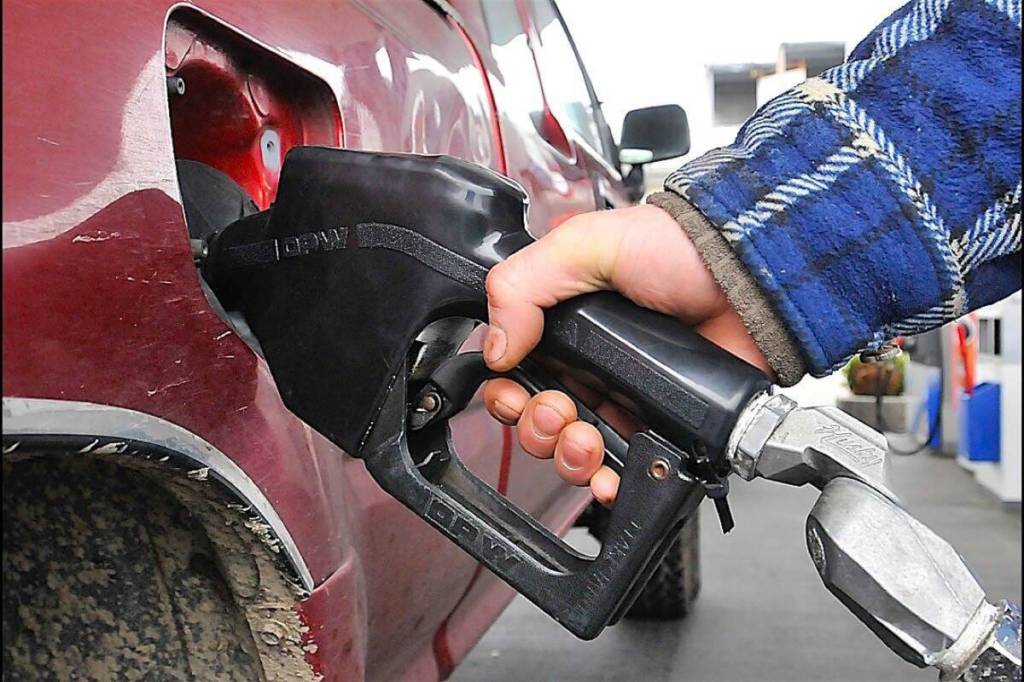


In the United States, the most visible measure of economic anxiety is not a government report or a Federal Reserve chart. It is the large number posted on the sign outside every gas station. When gasoline prices rise, Americans immediately sense that something in the economy has gone wrong. Today those signs are beginning to tell a familiar story, the growing cost of war.
The White House describes the conflict as distant and manageable. Yet its economic consequences reach American households every day, at the grocery store, on utility bills, and especially at the gas pump. War abroad has a way of traveling home through the economy, and the first signals often appear in energy prices.
Even before the conflict expanded, the administration’s economic policies had begun placing upward pressure on prices. The sweeping tariff program imposed on imports raised costs for American manufacturers that rely on global supply chains. Businesses passed many of those costs on to consumers, while retaliatory tariffs from trading partners reduced demand for American exports. Economists have long warned that tariffs function as a tax on domestic consumers, and early evidence suggested the policy was already contributing to rising prices and job losses in export-dependent industries.
Now a widening military conflict is compounding those pressures. Energy markets react quickly to geopolitical risk, and oil prices often rise when instability threatens supply routes or production. Higher fuel costs ripple through the economy, raising transportation expenses that ultimately appear in the price of food, consumer goods, and medicine.
Americans track inflation through many indicators, but culturally and politically the country focuses most intensely on gasoline prices. The number displayed on gas station signs becomes a daily economic signal, shaping public perceptions of prosperity or decline. When fuel prices climb, voters assume the broader cost of living will soon follow, and historically they are usually correct.
History offers repeated examples of the link between war and inflation. The Civil War doubled living costs as the federal government financed the conflict through borrowing and money creation. World Wars I and II unleashed large price increases driven by massive military spending and supply disruptions. The Vietnam War, layered atop expansive domestic programs, helped ignite the inflation and stagnation that defined much of the 1970s. Wars may end formally, but their economic consequences often linger long afterward.
That history stands in contrast to the promises that shaped the 2024 election. Donald Trump campaigned on restoring price stability, strengthening domestic industry, and avoiding costly foreign entanglements. Voters heard assurances of lower energy prices, predictable markets, and a more disciplined economic policy.
One year later, the economic picture looks different. Tariffs have already pushed costs upward for manufacturers and consumers. Now a growing military conflict is adding new pressures through energy markets and global supply chains. The result is a widening gap between the economic expectations created during the campaign and the economic conditions now emerging.
Such contradictions carry political consequences. Even before the conflict escalated, some Republican strategists privately expressed concern about the 2026 midterm elections. A wave of unexpected retirements suggested unease about defending a governing record that had yet to produce clear economic gains.
Inflation magnifies those political risks. Rising prices are among the most damaging forces an administration can face because voters experience them personally. Every trip to the grocery store or gas station becomes a reminder that household budgets are under strain.
Modern political history reinforces that pattern. Since World War II, the president’s party has lost an average of more than two dozen seats in the House of Representatives during midterm elections. Those losses tend to deepen when economic conditions deteriorate or when foreign conflicts dominate national attention.
Congress theoretically holds the authority to restrain military engagements through its control of funding. In practice, partisan divisions and political caution often limit that power. Debates over the direction and duration of military operations often become secondary to party loyalty and short-term political calculations. That phenomena is happening now.
Meanwhile, national security tensions introduce another layer of uncertainty. Government agencies have examined the possibility of retaliatory threats connected to the conflict, but public discussion of those risks remains limited. The result is a climate in which Americans sense the possibility of danger without receiving a full accounting of the potential costs.
The combination of rising prices and geopolitical instability places increasing pressure on household finances. Inflation erodes purchasing power, raises borrowing costs, and narrows economic opportunity. Historically, presidents who presided over both economic strain and prolonged military conflict have faced severe political backlash.
The approaching midterm elections will therefore carry significance beyond routine partisan competition. They will become a referendum on the country’s economic and strategic direction.
War rarely remains confined to distant battlefields. More often, it reaches the home front through rising prices, strained budgets, and uncertain futures. Americans can already see the evidence each time they pass a gas station sign. The price of war, once again, is posted at the pump.
Van Abbott is a long time resident of Alaska and regular opinion writer for the Juneau Empire. He has held management positions in government organizations in Ketchikan, Fairbanks, and Anchorage. He served in the Peace Corps in the late sixties as a teacher.