Juneau’s 2025 year in review
Published 10:30 am Thursday, January 1, 2026

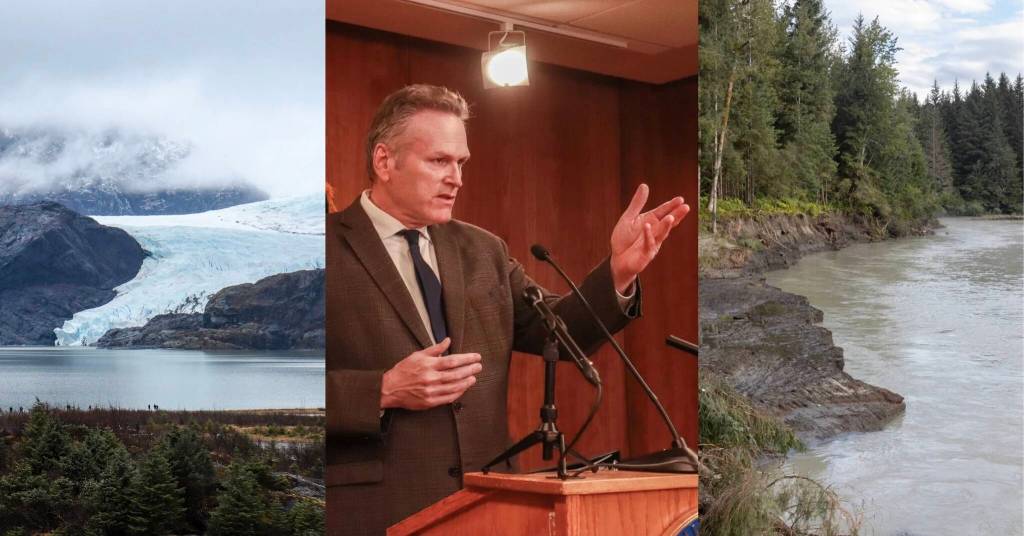
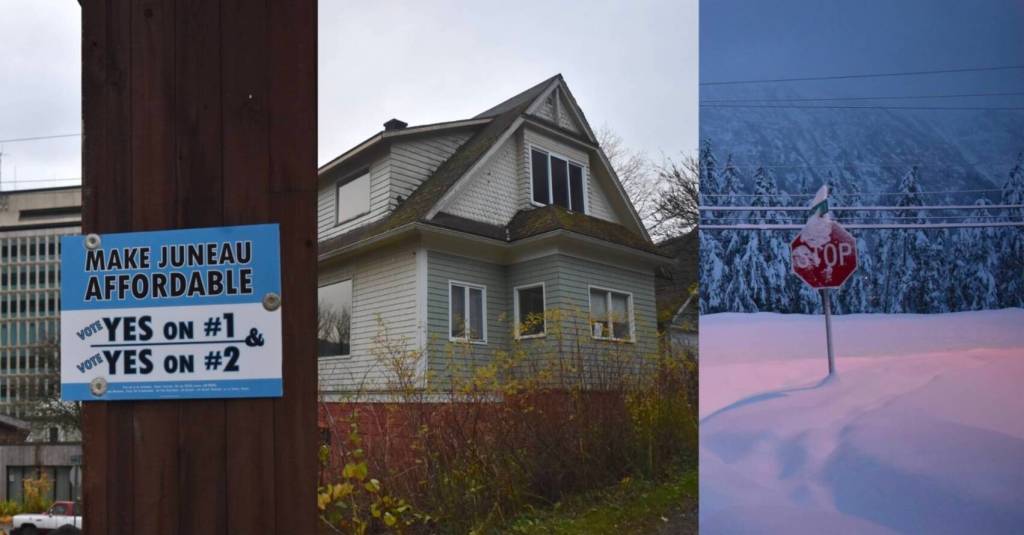


From federal workforce cuts to local development battles and extreme weather, 2025 brought a series of event that shaped the stories of Juneau.
Some of Juneau’s most consequential stories did not unfold in a single day. Instead, they developed over disputes, discussions and dialouge. A single sarticle rarely captures the arc of a big story. Sometimes the articles that we follow in the news unfold in pieces over the course of months, or even years.
In an attempt to summarize a year’s worth of news, the Empire has revisited eight major topics as their headlines progressed, organized vaguely chronologically.
Federal staff cuts
President Donald Trump ordered firings of federal workers across multiple agencies in February.
At first it was unclear just how many Alaskan federal employees would be affected.
“Many of these abrupt terminations will do more harm than good, stunting opportunities in Alaska and leaving holes in our communities,” Murkowski wrote on social media after the announcement.
Five days later, Juneau’s biggest tourist center lost the majority of its staff. The Empire reported that nearly all the employees at Mendenhall Visitor Center had been fired.
The U.S. Forest service staff at Mendenhall was reduced by 80%, “leaving only a skeletal maintenance staff remaining.”
Of the U.S. Forest Service employees fired, over 100 people were reportedly Tongass region employees.
In March, lawsuits challenged the legality of the firing, and some were offered their jobs back.
The state session and education funding
The Alaska Legislature wrapped up its regular session in May, adjourning a day early in what one lawmaker described as one of the smoothest endings in two decades after months of budget negotiations.
Debates over education funding, however, resurfaced after adjournment. In June, Gov. Mike Dunleavy vetoed $200 million of a $700 million increase to the Base Student Allocation while signing the state budget, reigniting tensions between the executive branch and lawmakers.
In August, the Legislature narrowly voted to override the governor’s education funding veto, marking a rare rebuke, and a bipartisan point of concern over school funding across the state.
Glacial outburst floods
As summer approached, Juneau residents once again prepared for the now-familiar glacial outburst flooding from Suicide Basin.
In mid-August, The National Weather Service reported that the river crested at 7:15 a.m. at 16.65 feet. The peak flow was estimated at 52,000 cubic feet per second.
In early December, city and federal leaders settled on a lake tap as a long-term solution for the floods.
The lake tap would be a tunnel drilled through Bullard Mountain, allowing water to drain from Suicide Basin into Mendenhall Lake, so that the basin would not have the chance to catastrophically burst.
Violent arrest
In July, the Juneau Police Department released body camera footage showing a police officer throwing a man to the ground during an arrest. A bystander video of the event prompted public outcry the month before.
State prosecutors later announced they would not file criminal charges against the former officer, concluding that the evidence did not meet the legal threshold for prosecution.
The man who was arrested filed a civil lawsuit against the City and Borough of Juneau and the former officer, alleging excessive force and seeking damages.
Tax cuts for the city government
October’s municipal elections reshaped the City and Borough of Juneau government, where voters approved cuts to sales and property taxes and selected new city leaders.
The implications of one of those cuts took effect the next month.
Beginning in November, Juneau residents saw slightly lower grocery and utility bills, as the CBJ rolled out new sales tax exemptions. Essential foods and household utilities will no longer be subject to Juneau’s 5% sales tax.
The city estimates that tax exemptions for essential food and utilities will result in an $11 million annual loss for the general funds budget. The city won’t have concrete data until after gathering merchant reports.
“They will be faced with challenging budget questions and challenging questions about which programs and services we continue to do versus not do, while only being able to rely on estimated loss, instead of what they will actually lose,” said Robert Barr, deputy city manager.
Telephone Hill redevelopment plan
There are currently only 13 residential units in seven structures on Telephone Hill. But the Telephone Hill redevelopment plans intersect several major issues in the city: historic buildings and housing, in particular for the coast guard.
In June, the Assembly voted 7-1 to approve the first stage of a Telephone Hill redevelopment plan. Occupants were ordered to vacate by fall.
Residents pushed back against the eviction and the broader demolition and redevelopment plans in a lawsuit filed on Halloween.
In late December, a Superior Court judge set the eviction date for the remaining tenants, despite the pending case against the city, seeking to preserve the historic houses on the hill.
The proposed Cascade Point ferry terminal
The Alaska State Department of Transportation and Public Facilities has proposed building a ferry terminal at Cascade Point, north of Juneau along Lynn Canal.
Debate over the project continued early December as state transportation officials sought public input on the proposal.
The Alaska Department of Transportation and Public Facilities has signed a $1.3 million contract to begin planning electrical service for the proposed terminal. The Regulatory Commission of Alaska approved the contract three days after DOT extended the project’s first public comment period.
Storms and record-breaking cold
December closed out the year with extreme weather.
The start of the month saw “unusually cold,” sub-zero temperatures, the National Weather Service Juneau said. Dangerously cold wind chill temperatures as low as negative 15 degrees Fahrenheit were forecast, with gusts as high as 40 mph.
A storm system moving in on Juneau at the end of the month (an all-too familiar, by Dec. 31), brought about heaps of snow.
December 2025 was the snowiest December ever recorded in Juneau, according to NWS. Juneau International Airport recorded 79.8 inches of snow for the month, beating the previous December snowfall record of 54.7 inches, set in 1964.
December 2025 slid into the spot of second-snowiest month Juneau has ever recorded. The current record holder is February 1965, which logged 86.3 inches.