Court sets eviction date for Telephone Hill residents as demolition plans move forward
Published 1:00 pm Monday, December 22, 2025
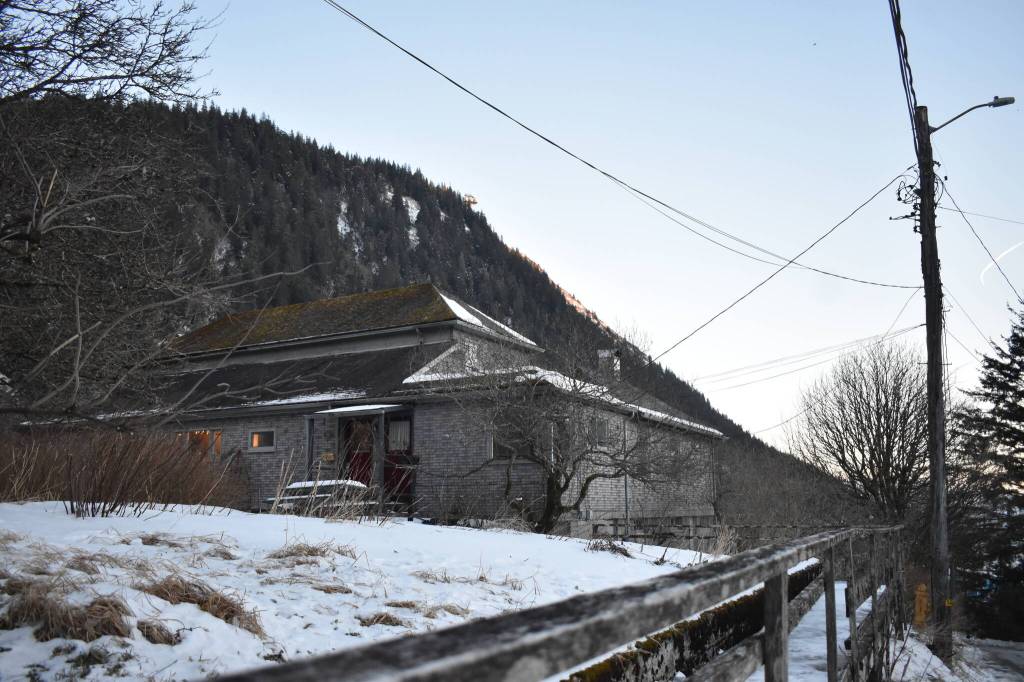
A Superior Court judge ordered the eviction of tenants from two of the three remaining occupied homes on Telephone Hill in a case settled Dec. 17.
The City and Borough of Juneau plans to move forward with demolition of the houses, tentatively scheduled for March. But a separate lawsuit filed against the city seeking to reverse evictions and halt demolition is still pending, set to be heard in August.
“Just because there’s a pending case doesn’t stop the actions that are being taken by the city,” said Municipal Attorney Emily Wright. “The judge has to order preservation of the buildings.”
The legal back-and-force marks a step forward for CBJ as it moves ahead with its yearslong plan to demolish the existing houses on Telephone Hill. The city owns the properties and plans to redevelop the hill to build higher-density housing as part of an effort to address Juneau’s housing shortage.
The city first issued eviction notices last spring, and the tenants were eventually directed to vacate the houses by Nov. 1. Most of the tenants vacated by the deadline, although a few remained living on the hill.
Under Wednesday’s ruling, one household is required to move out by Jan. 2, and another by Jan. 21. A separate case involving tenants of a third residence was delayed and remains pending.
Two legal issues are at play in the redevelopment of Telephone Hill: possession of the properties and preservation of the buildings.
Last month, a District judge dismissed the city’s initial eviction case, deferring it to Superior Court because of the pending lawsuit against the city. The Superior Court decision last week affirmed CBJ’s right to possession of the homes, allowing the evictions to proceed.
Preservation is a longer-term issue.
The tenants’ lawsuit was originally filed on Oct. 31. Since then, three additional plaintiffs have signed on to the case against the city. The suit alleges the city illegally evicted residents, improperly phased the redevelopment, and failed to comply with federal and state historic preservation laws.
Wright has said the city has followed all legal requirements in its actions.
Fred Triem, the tenants’ attorney in the case against the city, said he plans to file a dispositive motion, which would ask the judge to determine whether the city’s redevelopment should be paused while the lawsuit is pending, or whether demolition of the buildings should be prohibited altogether.
Both sides would submit written briefs for the judge to consider.
March is the tentative start date for demolition, according to City Manager Katie Koester. The lawsuit against the city has delayed this timeline.
Koester said testing in the vacant structures has found lead, asbestos and polychlorinated biphenyls, or PCBs, a now-banned chemical once commonly used in electrical systems. After the Jan. 21 eviction date, the city will begin testing for hazardous materials in the houses yet to be vacated.
Once further materials testing is complete, CBJ Engineering will finalize the plans for demolition and bid the development project.
The engineering department is also working on a preliminary plat — a detailed map of the property’s land divisions — to give potential developers a vision for how four parcels could be situated on the property, Koester said. She said the department has reached out to developers in Alaska and the Lower 48.
Even after the January move-out deadlines, the planning process for demolition will still be ongoing, Wright said.
“That path to demolition is not knocking the houses down on January twenty-second,” Wright said. “There’s a lot of moving pieces.”