Site Logo

State reports 136 new cases, city reports 4

Published 10:30 pm Wednesday, September 30, 2020
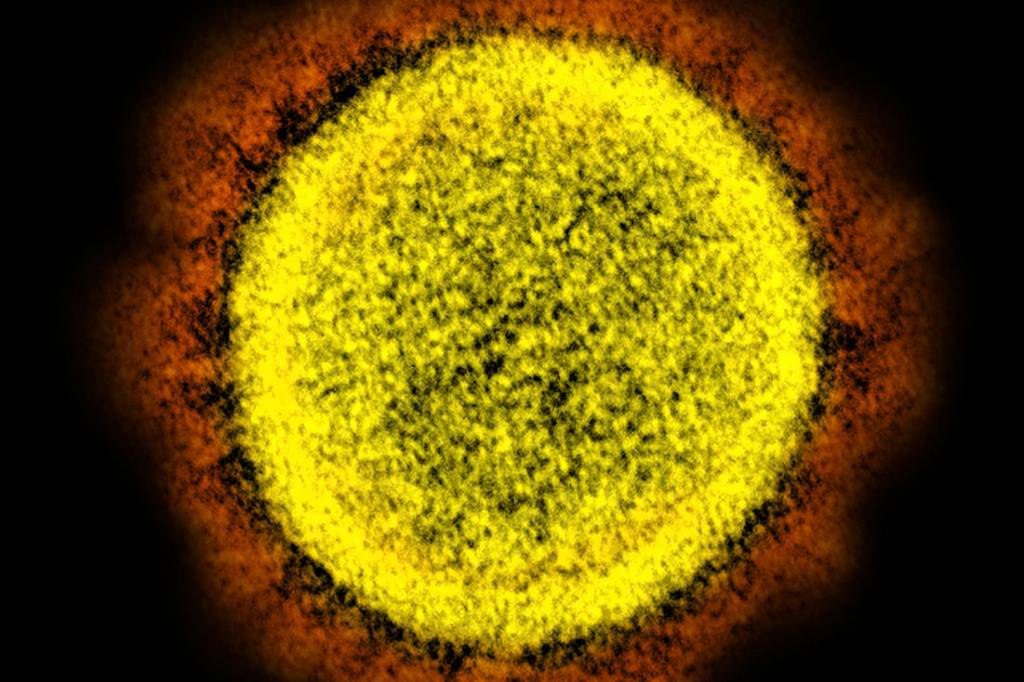
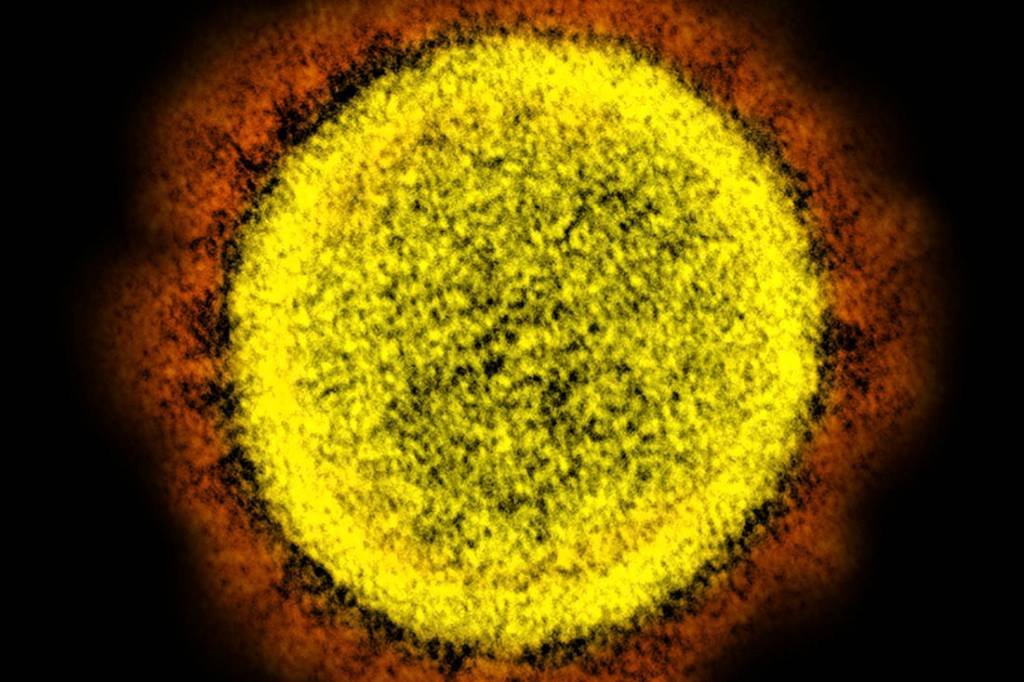
This 2020 electron microscope image made available by the National Institute of Allergy and Infectious Diseases shows a Novel Coronavirus SARS-CoV-2 particle isolated from a patient, in a laboratory in Fort Detrick, Md. Coronaviruses, including the newest one, are named for the spikes that cover their outer surface like a crown, or corona in Latin. Using those club-shaped spikes, the virus latches on to the outer wall of a human cell, invades it and replicates, creating viruses to hijack more cells. (NIAID/NIH via AP)
1/2

This 2020 electron microscope image made available by the National Institute of Allergy and Infectious Diseases shows a Novel Coronavirus SARS-CoV-2 particle isolated from a patient, in a laboratory in Fort Detrick, Md. Coronaviruses, including the newest one, are named for the spikes that cover their outer surface like a crown, or corona in Latin. Using those club-shaped spikes, the virus latches on to the outer wall of a human cell, invades it and replicates, creating viruses to hijack more cells. (NIAID/NIH via AP)

This 2020 electron microscope image made available by the National Institute of Allergy and Infectious Diseases shows a Novel Coronavirus SARS-CoV-2 particle isolated from a patient, in a laboratory in Fort Detrick, Md. Coronaviruses, including the newest one, are named for the spikes that cover their outer surface like a crown, or corona in Latin. Using those club-shaped spikes, the virus latches on to the outer wall of a human cell, invades it and replicates, creating viruses to hijack more cells. (NIAID/NIH via AP)

City and Borough of Juneau’s cumulative COVID-19 case count pushed past 300 resident cases.

The city’s emergency operations center reported Thursday four new people —three residents and one nonresident — had tested positive for COVID-19. There have now been 301 cases among residents and 100 among nonresidents, according to city data.

Public Health attributes one of the cases to community spread, one to secondary transmission and one is under investigation, according to the city. The nonresident is in the mining sector and the case is travel-related.

Alaska Department of Health and Social Services announced 136 new cases across the state on Thursday. Of those cases 127 are residents and nine are nonresidents. Nearly half of the cases —61 —were reported in Anchorage. The only other city or census area with a double-digit increase in cases was Fairbanks with 26 cases.

The state also reported a new death. The deceased was an Anchorage man in his 60s, according to the state.

There have now been 57 Alaskans who have died with COVID-19, according to the state. There have been 294 hospitalizations, 7,948 cases among residents and 964 cases among nonresidents. So far, 4,310Alaskans have recovered and 528 non residents have recovered, according to the state’s coronavirus response hub.

• Contact the Juneau Empire newsroom at (907)308-4895.