Why does Mendenhall Valley have mink, otters and bear? Naturalists shed light.
Published 6:27 am Sunday, January 13, 2019
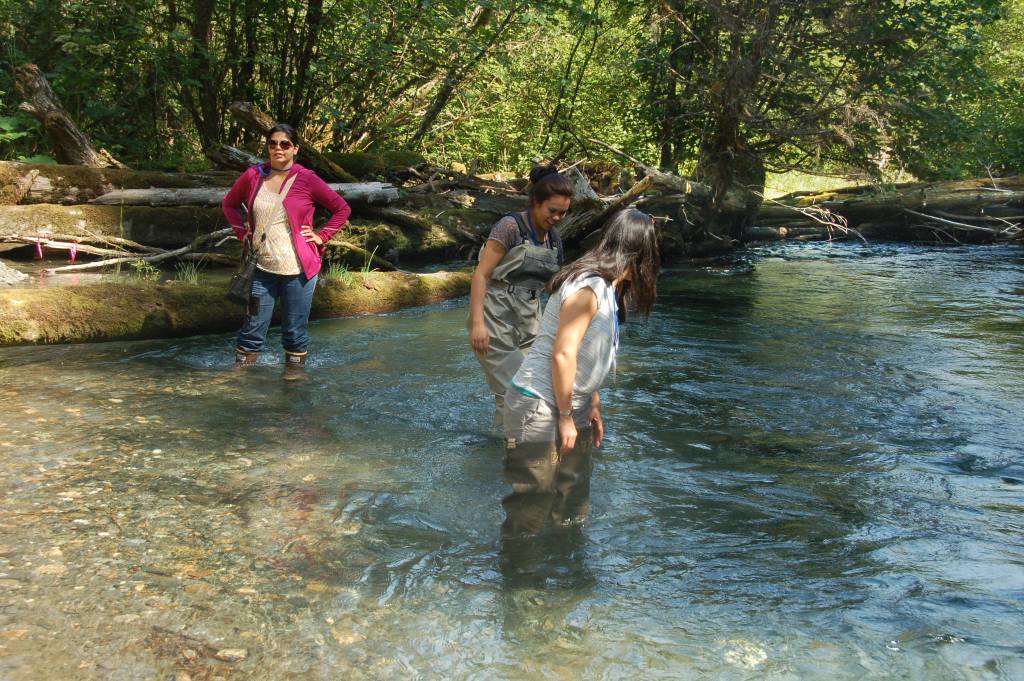
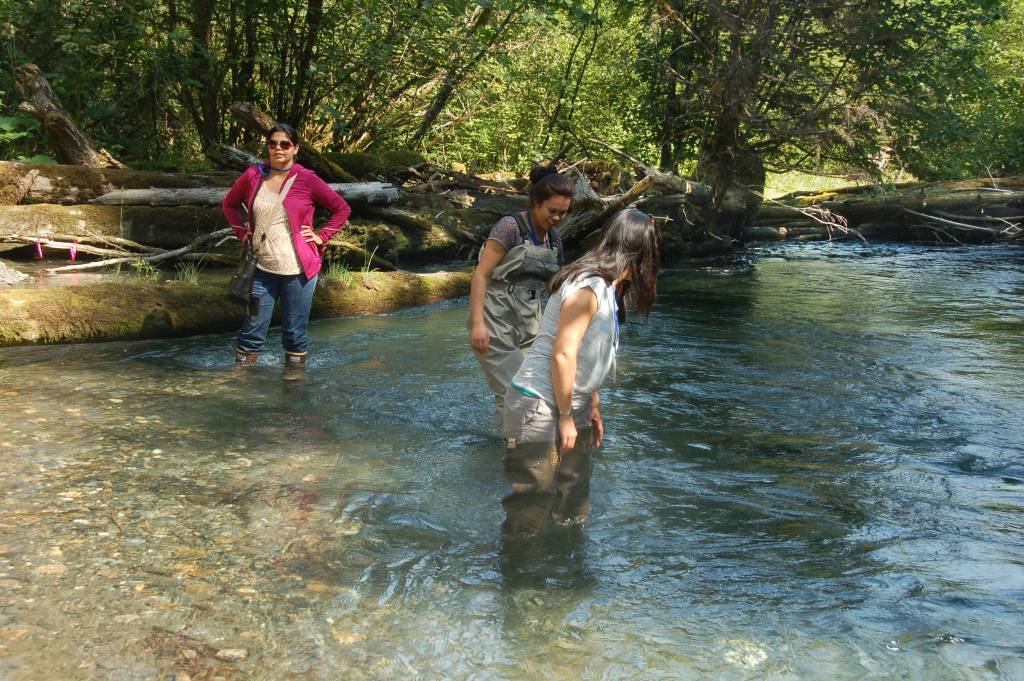


Two naturalists shed new light on a watershed.
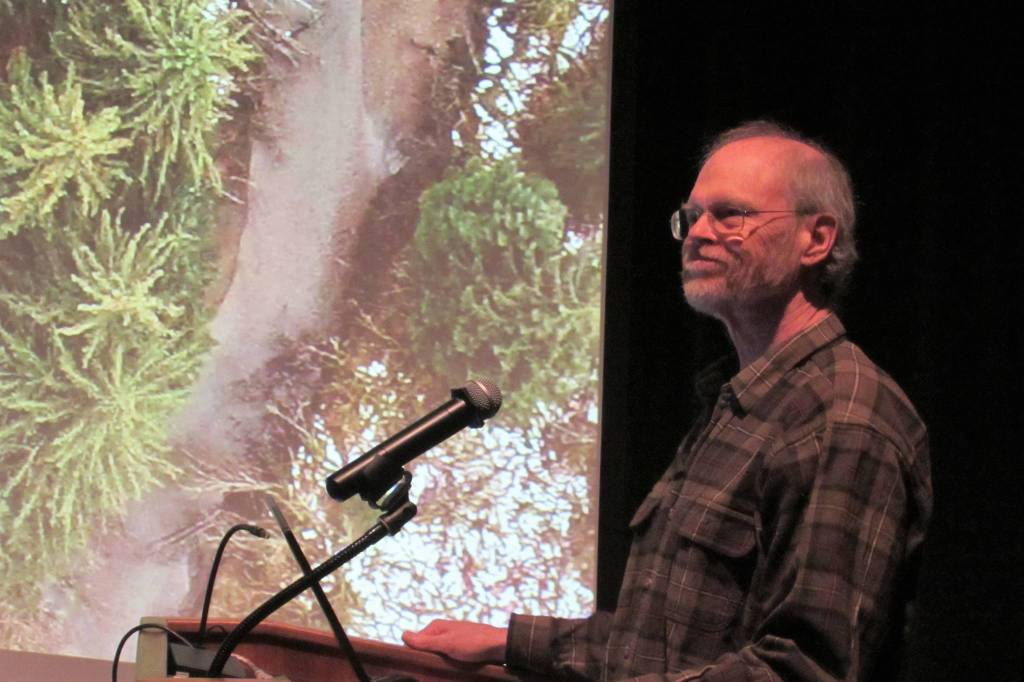
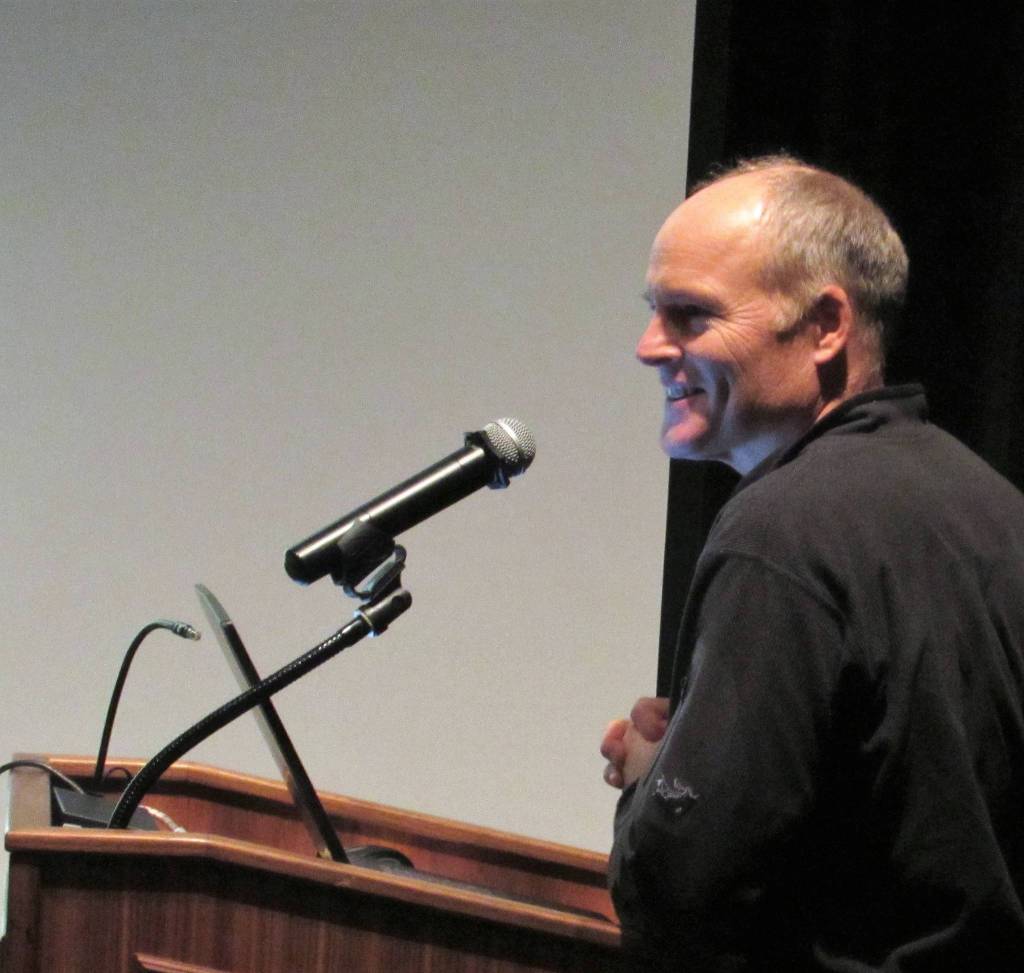
Richard Carstensen, lead naturalist for Discovery Southeast, and John Hudson, naturalist for Discovery Southeast, led a tag-team presentation on a deer-leg-shaped patch of land in the Mendenhall Valley that is the Kaxdigoowu Héen, also known as Montana Creek-McGinnis, watershed.
What the creek’s Tlingit name means depends on who you talk to, Carstensen said.
“It definitely has something to do with clear water,” Carstensen said. “It also has something to do with back eddies.”
He said it may be because of the confluence of clear water meeting silty water from the Mendenhall River.
The presentation Saturday night at University of Alaska Southeast’s Egan Lecture Hall was a fundraiser for Southeast Alaska Land Trust.
Carstensen and Hudson spoke for more than an hour about the watershed and covered everything from its glacier-influence history to its modern-day importance.
Here are some takeaways from their talk.
Don’t say the M-word
Throughout the presentation Carstensen consistently referred to the creek as Kaxdigoowu Héen.
“For the last five years, I’ve been trying to transition to the Tlingit place names,” Carstensen said. “So in my writing and mapping I’ll put the Tlingit name first, the translation in italics and the important white-guy name in parenthesis at the bottom. If I say the M-word tonight, I owe John a dollar.”
[Lecture questions colonial names]
Carstensen said after the presentation he began using those place names after the publication of the book “Haa Leelk’w Has Aani Saax’u / Our Grandparents’ Names on the Land” by Thomas Thornton, which included more than 3,000 Alaska Native place names.
Carstensen said it made more sense to refer to geographic locations by names that evoked characteristics of the land than colonial figures who may have spent little or no time at a place.
“I think we’re in a place where 20 years from now kids will mostly use Native names,” Carstensen said.
The watershed is a wild place
Both Hudson and Carstensen spoke in glowing terms of the relatively preserved watershed despite its proximity to residences.
“It’s a very healthy watershed close to a lot of people,” Hudson said.
He said that’s becoming rarer in Juneau as more watershed areas are developed.
“The watershed is a refugium for critters we wouldn’t have in the Valley otherwise,” Carstensen said.
Specifically, Carstensen said mink, otters and bears tend to do well in the area, especially parts of the watershed that aren’t heavily traveled by people with dogs.
Even well behaved dogs tend to leave behind scents that scare away otters and mink, he said.
Hudson and Carstensen both said the Kaxdigoowu Héen is also an incredibly important watershed for fish, too.
Bea-very important
Beavers’ presence in the watershed help make the environment more hospitable to a variety of other wildlife.
In aerial footage of the watershed shared during the presentation, a number of their lodges could be seen dotting the water.
Their dam-building creates portions of water that a suitable for different kinds of fish and creates habitats for other animals.
“Beavers are a classic keystone species,” Hudson said.
• Contact arts and culture reporter Ben Hohenstatt at (907)523-2243 or bhohenstatt@juneauempire.com.