News
Crime & Justice
Environment
Submit a Photo
Submit a Story Idea
Submit a Press Release
Submit Business News
Sports
Submit Sports Results
Neighbors
Submit an Engagement Announcement
Submit a Wedding Announcement
Submit a Birth Announcement
Contests
Bucketlist Sweepstakes
Alaska Outdoors
Opinion
Letters to the Editor
Submit a My Turn or Letter to the Editor
Obituaries
Submit an Obituary or Death Notice
eEdition
Home
Subscriber Center
Subscriber Center
Subscribe
Contact Our Subscriber Center
Vacation Hold
FAQs
Newsletters
News
Crime & Justice
Environment
Submit a Press Release
Submit a Story Idea
Submit a Photo
Submit Business News
Contests
Bucketlist Sweepstakes
Sports
Submit Sports Results
Neighbors
Submit an Engagement Announcement
Submit a Wedding Announcement
Submit a Birth Announcement
Alaska Outdoors
Opinion
Letters to the Editor
Submit a MyTurn or Letter
Obituaries
Submit an Obituary or Death Notice
eEdition
Classifieds
Place a Classified Ad
Legal Notices
Place a Legal Notice
Services
About Us
Contact Us
Careers
Carrier Application
Submission Forms
News
Alaska Science Forum: Scientist’s memoir is revealing and brave
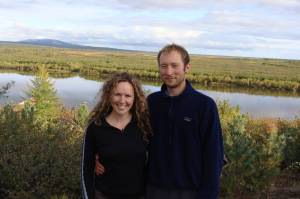
“Chasing Lakes: Love, Science, and the Secrets of the Arctic.”
June 11, 2022
News
I Went to the Woods: At the speed of sound
Being reflective is not about high ground. It’s not about your place compared to others…
June 7, 2022
News
Alaska Science Forum: The worst fire year we can remember
Here’s how it happened.
May 26, 2022
News
I Went to the Woods: Silent steel
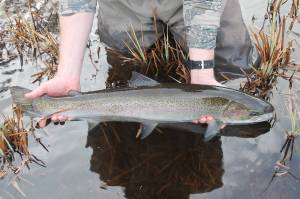
“You forget most of what ends up in the freezer, but those steelhead, they stick with you.”
May 24, 2022
News
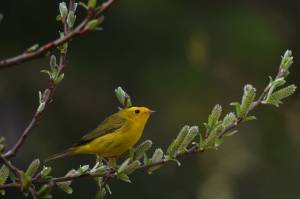
On the Trails: Birds and beetles at Kingfisher Pond
Something is almost always happening at Kingfisher Pond.
May 23, 2022
News
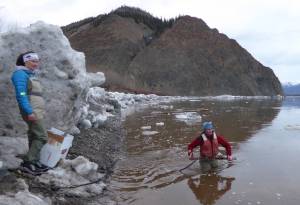
Alaska Science Forum: Wading into the icy Yukon River for science
EAGLE, ALASKA — Snow geese flew in a ragged V overhead, rasping as they looked down upon Alaska’s…
May 19, 2022
News
The SalmonState: Listen, then support — a new approach in Southeast Alaska is a long time in the works
A look at a few of the projects and priorities in the works.
May 17, 2022
News
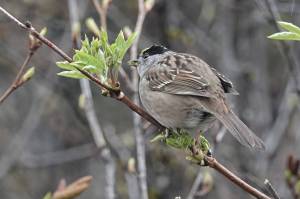
On the Trails: Enjoying birds, blooms and more near the Mendenhall Glacier
The trail to Nugget Falls was a lively place in early May.
May 16, 2022
News
Saturday is for the birds
Global Bid Day and World Migratory Bird Day.
May 11, 2022
News
I Went to the Woods: Inside the Numbers
Numbers are important, but they never tell the entire story.
May 11, 2022
News
On the Trails: An April scrapbook of little observations
Spring wings and other things.
May 9, 2022
News
Wild Shots: Photos of Mother Nature in Alaska
Wild Shots: Photos of Mother Nature in Alaska
May 6, 2022
News
Alaska Science Forum: Awaiting river breakup on the Yukon
By Ned Rozell
May 5, 2022
News
On the Trails: The smell of fear
It’s not fiction.
May 3, 2022
News
Alaska Science Forum: Alaska’s water crop is a natural resource
Alaska’s freshwater supply is so abundant the numbers are hard to comprehend.
April 28, 2022
News
Alaska Science Forum: His 48th summer on top of the world
In the ’80s, 225 pairs of black guillemots nested on Cooper Island. Last year: 25 pairs counted.
April 21, 2022
News
On the Trails: Reproductive delays in mammals
By Mary F. Willson
April 18, 2022
News
Alaska Science Forum: Endless northern winter about to end
The end is in sight.
April 14, 2022
News
I Went to the Woods: All about style
Style isn’t about clothing, it’s everything.
April 12, 2022
News
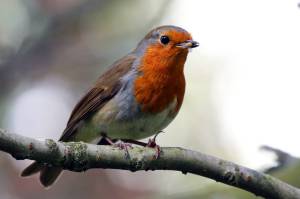
On the Trails: Same name, very different birds
A tale of two (or more) robins.
April 11, 2022
Previous
10
11
12
13
14
Next