Log out
Log in
Activate
Subscribe
My Account
News
Crime & Justice
Environment
Submit a Photo
Submit a Story Idea
Submit a Press Release
Submit Business News
Sports
Submit Sports Results
Neighbors
Submit an Engagement Announcement
Submit a Wedding Announcement
Submit a Birth Announcement
Contests
Alaska Outdoors
Opinion
Letters to the Editor
Submit a My Turn or Letter to the Editor
Obituaries
Submit an Obituary or Death Notice
eEdition
Home
Subscriber Center
Subscribe
My Account
Contact Our Subscriber Center
Vacation Hold
FAQs
Newsletters
News
Crime & Justice
Environment
Submit a Press Release
Submit a Story Idea
Submit a Photo
Submit Business News
Contests
Sports
Submit Sports Results
Neighbors
Submit an Engagement Announcement
Submit a Wedding Announcement
Submit a Birth Announcement
Alaska Outdoors
Opinion
Letters to the Editor
Submit a MyTurn or Letter
Obituaries
Submit an Obituary or Death Notice
eEdition
Classifieds
Place a Classified Ad
Legal Notices
Place a Legal Notice
Services
About Us
Contact Us
Careers
Carrier Application
Submission Forms
News
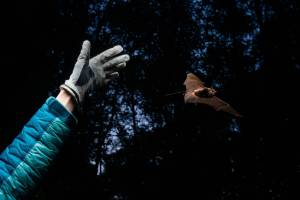
Alaska Science Forum: Where do Alaska bats spend the winter?
I think bats do hibernate in interior Alaska…”
September 15, 2022
News
I Went to the Woods: Hunting in the ‘like’ era
Loud and outrageous have become the recipe for sports commentary.
September 13, 2022
News
Planet Alaska: Smokehouse values
There are many ways to smoke salmon, but it takes discipline to take the time to learn and…
September 6, 2022
News
On the Trails: All about beavers
Leave it to ‘em.
September 5, 2022
News
I Went to the Woods: Turning the corner
The corner from summer to fall is a casual turn.
August 30, 2022
News
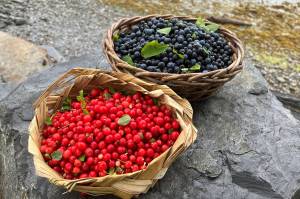
Resilient Peoples & Place: The magic and power of berry picking with Michaeala Goade
Adventure, magic and feeling connected and grounded to home.
August 23, 2022
News
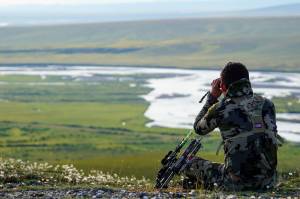
I Went to the Woods: North slope caribou
I had stopped hopping from tussock to tussock attempting to keep my feet dry. Frequent missteps and sneaky…
August 16, 2022
News
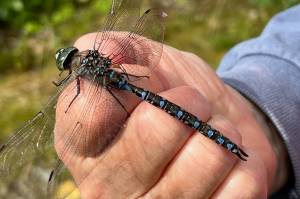
On the Trails: Sights and sounds from the trails in late summer
Winged wonders abound.
August 15, 2022
News
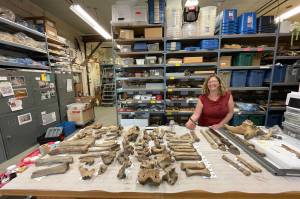
Alaska Science Forum: Secrets of an ancient horse of the Yukon
The Yukon is a great place to find the preserved remains of ancient creatures.
August 11, 2022
News
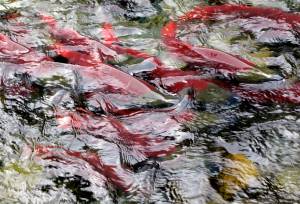
The SalmonState: Bringing the sockeye home
Klawock Indigenous Stewards and partners are working to a once prolific sockeye salmon run.
August 9, 2022
News
On the Trails: The colorful world of birds
Colors are produced by cell structure, which can scatter light rays, making iridescence, and by pigments, which absorb…
August 8, 2022
News
Alaska Science Forum: Alaska lexicon sinks in over the years
When my little Ford pickup chugged into Alaska 36 years ago this month, I didn’t know a wheel…
August 4, 2022
News
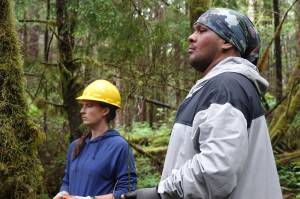
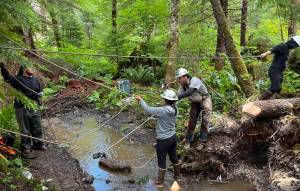
Resilient Peoples & Place: Alaska Youth Stewards program equips next generation of Prince of Wales land managers
“This work is restorative…”
August 2, 2022
News
Planet Alaska: The language of berries
Like the berries, the language lives on the land.
August 2, 2022
News
On the Trails: Bricolage — this and that, bits and pieces
There were good minus tides in May and June, and I went out with some friends to take…
August 1, 2022
Neighbors
Gimme a Smile: Inflation 111
I was going to title this essay, “Inflation 101,” but the number keeps going up
July 28, 2022
News
Alaska Science Forum: High-country Eden for sockeye salmon
“It’s the largest sockeye hatchery in the world. Two-hundred and sixty miles from the ocean.”
July 28, 2022
News
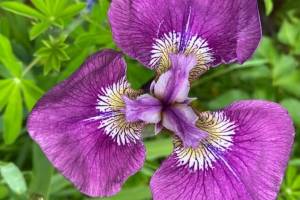
On the Trails: Considering variation in flower colors
There’s way more than blue genes.
July 25, 2022
News
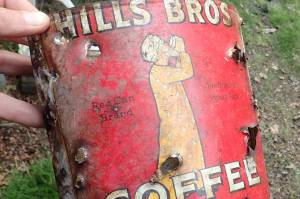
Alaska Science Forum: A field guide to old coffee cans
Can you dig it?
July 21, 2022
News
I Went to the Woods: Adjusting the itinerary
It’s not that anglers want things to be difficult, we just enjoy the payoff of time and experience…
July 19, 2022
Previous
40
41
42
43
44
Next