Opinion: Senator Sullivan supports $500,000 Grift
Published 2:30 am Wednesday, November 19, 2025
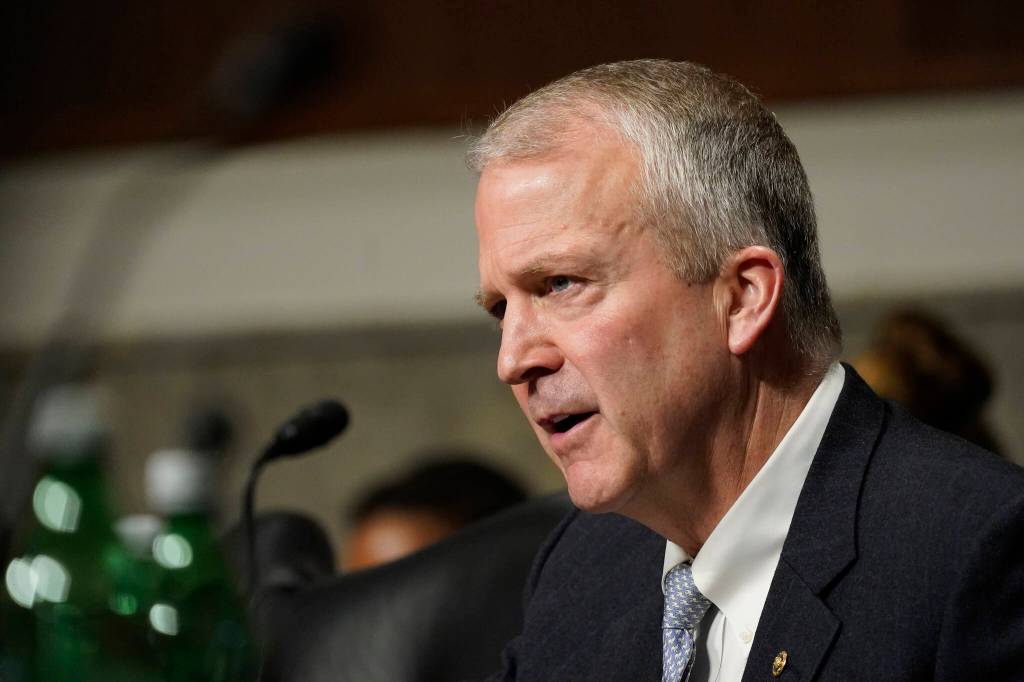
Public service was once the highest calling of American politics. Senators viewed their office as a public trust, not a path to wealth or privilege. That vision has eroded. Senator Dan Sullivan of Alaska has become one of the clearest examples of this decline. His recent actions in Washington show a man more devoted to political protection and personal advantage than to the people he represents.
The latest controversy over the continuing resolution to keep the government open reveals the depth of the decay. Buried in the hundreds of pages of this budget bill is a little-noticed clause that reads like a self-enrichment scheme for senators. The provision allows any senator whose “Senate data, or the Senate data of whose Senate office, has been acquired, subpoenaed, searched, accessed, or disclosed” without authorization to sue the federal government for $500,000 or more for each violation. It applies retroactively to incidents dating back five years, including those related to the January 6 investigation.
On the surface, this language appears to defend congressional privacy. In reality, it is a taxpayer-funded windfall for lawmakers who feel politically aggrieved. The measure originated with a group of Republican senators, including Sullivan, who claim their phone and electronic records were improperly examined by the House January 6 Committee or by federal prosecutors. Under this new clause, those senators could now sue the government for half a million dollars per alleged violation, potentially collecting several million dollars each. It is, in plain terms, self-dealing written into law.
The provision’s structure is especially troubling. It strips the federal government of key legal defenses, making any lawsuit by a senator far easier to win. It extends retroactive coverage, ensuring that even long-settled investigative actions could become grounds for lucrative claims. For the average American, a government error might result in an apology or a nominal settlement. For senators, the same error would now yield a personal payout from the Treasury. The moral imbalance could not be starker.
Senator Sullivan’s backing of this provision aligns with a broader pattern. Throughout his time in office, he has consistently advanced policies that benefit major donors and corporate interests while deflecting scrutiny from his constituents. From his silence on the Pebble Mine project to his consistent support of oil and defense subsidies that enrich campaign contributors, Sullivan has shown comfort merging public power with private gain. The $500,000 grift fits naturally into that record.
This maneuver also mirrors Donald Trump’s ongoing attempts to turn grievance into profit. Just last month, Trump demanded $230 million in damages from the Department of Justice, claiming he was unfairly investigated over his ties to Russia and classified documents. Like Trump, the senators seeking half-million-dollar payouts are recasting accountability as victimhood and monetizing it at public expense. It is a pattern that transforms the very idea of government from a system of service into a marketplace for retribution.
To grasp how far the Senate has fallen, one need only look back fifty or sixty years. Senators then were often modestly paid public servants, many living largely on their salaries. Their wealth and their ethics kept them close to the people they served. Today, nearly three-quarters of senators are millionaires. The median Senate fortune now exceeds $2 million, a tenfold increase since the 1960s after adjusting for inflation. This growing wealth gap has fostered a culture of insulation and entitlement. Few modern senators understand the economic hardship facing ordinary Americans, and even fewer behave as though their choices carry moral weight.
The ethical difference between the political parties has also widened. While both parties have their flaws, today’s Republican leadership has largely abandoned restraint. From the refusal to hold Trump accountable for inciting insurrection to the use of budget bills for self-benefit, the party’s moral compass has shifted from principle to profit. The continuing resolution’s $500,000 clause stands as the clearest example yet.
Senator Sullivan’s participation in this effort reveals not just questionable judgment but a fundamental misunderstanding of public duty. A senator who legislates personal compensation for perceived slights cannot claim to serve the public interest. The Senate should be a place of honor, not a tribunal for grievance payouts.
Until officials like Dan Sullivan are held accountable for transforming service into self-interest, the Senate will remain a monument to privilege rather than principle.
Van Abbott is a long time resident of Alaska and regular opinion writer for the Juneau Empire. He has held management positions in government organizations in Ketchikan, Fairbanks, and Anchorage. He served in the Peace Corps in the late sixties as a teacher.