Opinion: Choosing a seat at the table
Published 9:30 pm Thursday, November 23, 2023
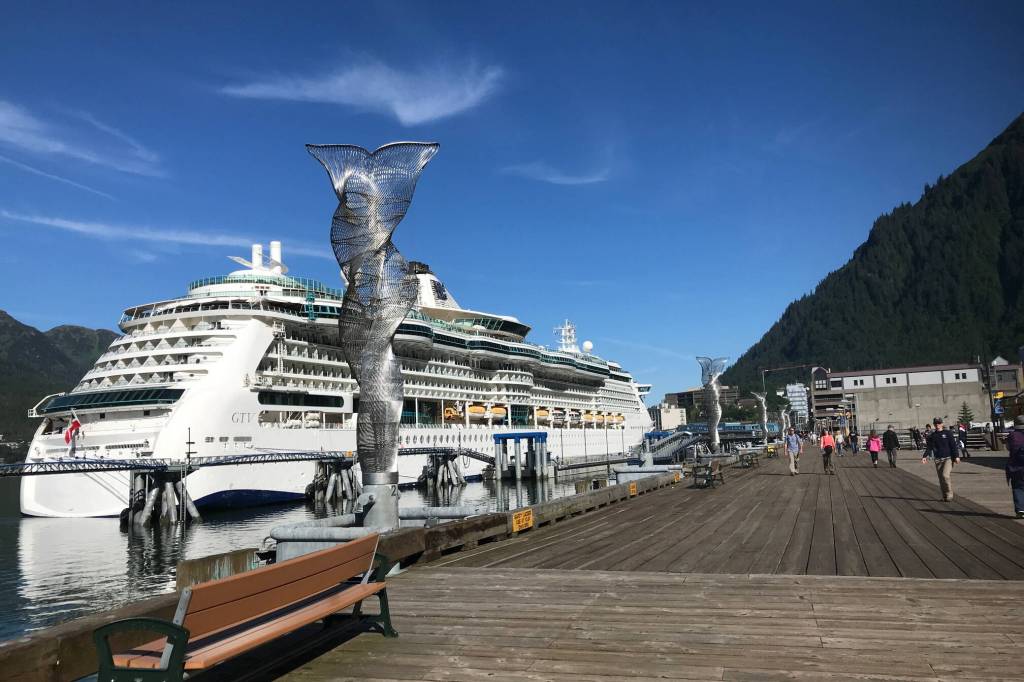
To advocates for limiting cruise ship tourism and combatting climate change, partnering with the titans of industry seems like a lost cause. However, Jim Powell, an assistant research professor at the University of Alaska Southeast, and researchers at Princeton think they’d be smart to consider such an approach.
At a recent UAS Evening at Egan event, Powell discussed his research on cruise ship tourism in Juneau and several Arctic communities. One partnership example he mentioned was the new Memorandum of Agreement between CBJ and the cruise ship industry. It limits the number of ships in port to no more than five per day.
For many Juneauites that’s still too many in a season that’s already been stretched from April to October.
But the reality is a lot of residents believe Juneau reaps important benefits from the high volume of visitors each day. That includes most if not all local business owners and small tour operators. Our representative democracy dictates their perspectives be given equal consideration.
As Powell aptly reminded his audience, another problem is the huge “power imbalance” between the cruise ship industry and the community. Local groups weighing in on the industry side make it harder for those who seek further limits.
The power imbalance regarding climate change is even worse. On the question of extracting oil from Alaska’s North Slope, environmentalists are fighting the industry, federal and state governments, and public opinion. Lawsuits, lobbying and public relations campaigns seem to be their only tools.
Two weeks ago, a federal judge in Anchorage dismissed two lawsuits that sought to shut down development by ConocoPhillips on its Willow leases. An attorney at the Center for Biological Diversity called the project a “carbon bomb.” An appeal has already been filed.
Robert Socolow and Chris Greig of Princeton think it’s time to change tactics. Having worked with both sides in the past, they recognize “many influential environmental leaders regard the oil and gas industry as so compromised that it has no legitimate role in the climate effort.” But they’re suggesting building an alliance could lead to ending fossil fuel emissions without eliminating the fossil fuel industry.
The compromise they propose involves a two-decade transition to ending “gasoline-powered cars and natural gas for home heating and small factories” while accepting the “the continued use of fossil fuels at large energy and industrial sites.” The carbon dioxide produced at those plants “would be captured and returned below ground or converted into durable products.”
Obviously, it’s a lot more complicated than that. And whether it’s feasible to capture and covert all that carbon is a huge unknown. But there’s an immediate benefit worth considering. They believe a “united advocacy” for reducing carbon emissions could “bring about an unprecedented level of climate-policy bipartisanship that would catalyze genuine progress.”
The alternative to such cooperation is, as best, continued intermittent court successes and policy gains offset by losses and regulatory rollbacks.
In Juneau, citizens who want to curtail cruise ship tourism can’t look to the courts for help. But their challenge is similar in another way. It’s unlikely the groups opposing either industry will be able to shift the full weight of public opinion to align with their goals until the damage is too great.
The civil rights movement led by Martin Luther King Jr. is an exceptional example of a movement overcoming an overwhelming power imbalance. The opposition it faced included a long history of stiff resistance and even hostility in Congress. And prominent Black Nationalists endorsed the concept of racial separatism and argued King’s non-violent approach would prove futile.
King may have had his own doubts, but he never wavered. He believed the battle was against oppression, not the oppressors. The fruit of the movement’s efforts was the Civil Rights Act of 1964. Neither it nor any legislation that followed ended racism. But progress on racial equality would have been set back years had King listened to the naysayers and not engaged the country’s power structure.
That lesson gives some credence to the partnering proposed by Powell and the Princeton researchers. It may still be naïvely optimistic. But gaining a seat at the table would be an improvement over the inferior position of a minority looking in from the outside.
• Rich Moniak is a Juneau resident and retired civil engineer with more than 25 years of experience working in the public sector. Columns, My Turns and Letters to the Editor represent the view of the author, not the view of the Juneau Empire. Have something to say? Here’s how to submit a My Turn or letter.