My Turn: Cutting Medicaid hurts Alaska’s small villages and our children
Published 10:30 pm Monday, July 7, 2025
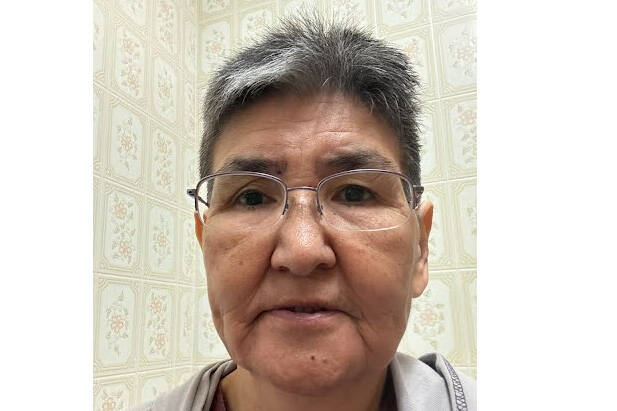
My career revolves around the hundreds of kids between 4 to 18 years old I am with nearly every day. I’ve been a school secretary for 15 years, and I love it. Helping create a place where kids can thrive, learn, and grow means everything to me.
But right now, I’m scared for these children and our entire country. Congress just passed a bill that slashes Medicaid, and I know exactly what going without this essential program would mean for people like me, my family, and the children I serve.
Without Medicaid, I couldn’t afford the doctor visits, surgeries, medications, and hospital stays that have kept me healthy and working for Alaska’s kids over the years.
In my small village, we only have one tiny clinic. The nearest hospital is 99 miles away, and you can’t drive there, you have to fly. Medicaid cuts are disastrous for rural hospitals. Here in Alaska, one of our rural hospitals is in immediate risk of closure if Congress cuts Medicaid, which funds 17 of our open rural inpatient hospitals. Nationally, approximately 1,796 rural community hospitals exist, and a significant portion of them rely on Medicaid funding.
Cuts to this program’s funding would have a real impact on kids. 83,200 of children in Alaska rely on Medicaid. That’s 48% of our kids. My grandbabies might not get the care they need to grow up strong. Kids at my school could miss more days in the classroom because they can’t see a doctor when they’re sick.
Money is tight and everything is expensive. Between electricity bills, water, and credit cards, we can’t catch a break. Everyone knows the cost of gas is high, but knowing that doesn’t make it easier to pay. And grocery prices are skyrocketing, costing more and more each month for the same items. My family and I try to save and stock up on basics like noodles, sugar, flour, and Crisco when we can. The wages I earn as a school secretary aren’t enough to afford health coverage And we’re not alone. Over 265,000 Alaskans are enrolled in Medicaid, which is nearly 36% of people in our state.
It’s easy for politicians in Washington to talk about cutting this critical program because to them, we’re all numbers in a spreadsheet or a budget line item. They don’t know what it is like to not have an accessible hospital nearby. They don’t know what it’s like to worry about not having the medication you need to survive. They are out-of-touch and seemingly don’t care to learn about the experiences of Alaskans — the people they work for.
Sens. Lisa Murkowski and Dan Sullivan are supposed to represent our best interests in Congress. They are supposed to look out for children and people in my village. Instead, they turned their backs on the people they were elected to serve. We need Medicaid to survive. We cannot afford to have our health care taken away. Congressman Nick Begich also cast his vote to hurt us without holding any town halls beforehand. “Chicken Nick” must know that his vote is bad for Alaska or else why would he be hiding from us?
I do not want to spend my time and energy debating whether it is OK to take health care away. I want to spend time with my family and playing with my grandchildren. I want to go work and continue being a positive influence in the lives of the children in my town.
That’s all so many of us who rely on Medicaid want, to live with dignity, to care for our families, and to do the jobs that keep our communities going. But we can’t do that if our leaders take away the care that keeps us on our feet. Medicaid isn’t a luxury. It’s a lifeline. And I’m not going to stay silent about how this harmful bill would impact the children I care about. My family and nearly 40% of Alaskans who use Medicaid across the state were betrayed by Sens. Murkowski and Sullivan.
Cynthia Fancyboy is a 63-year-old school secretary and proud great-grandmother who has relied on Medicaid her entire life. She suffers from chronic pain and arthritis, conditions that have required multiple surgeries. Medicaid covers not only her medical care but also the cost of emergency flights and hotel stays when she has to travel for treatment. She lives in Pilot Station, Alaska.