What lurks beneath: Creatures under tree bark and the stories they tell
Published 3:00 am Friday, May 10, 2019
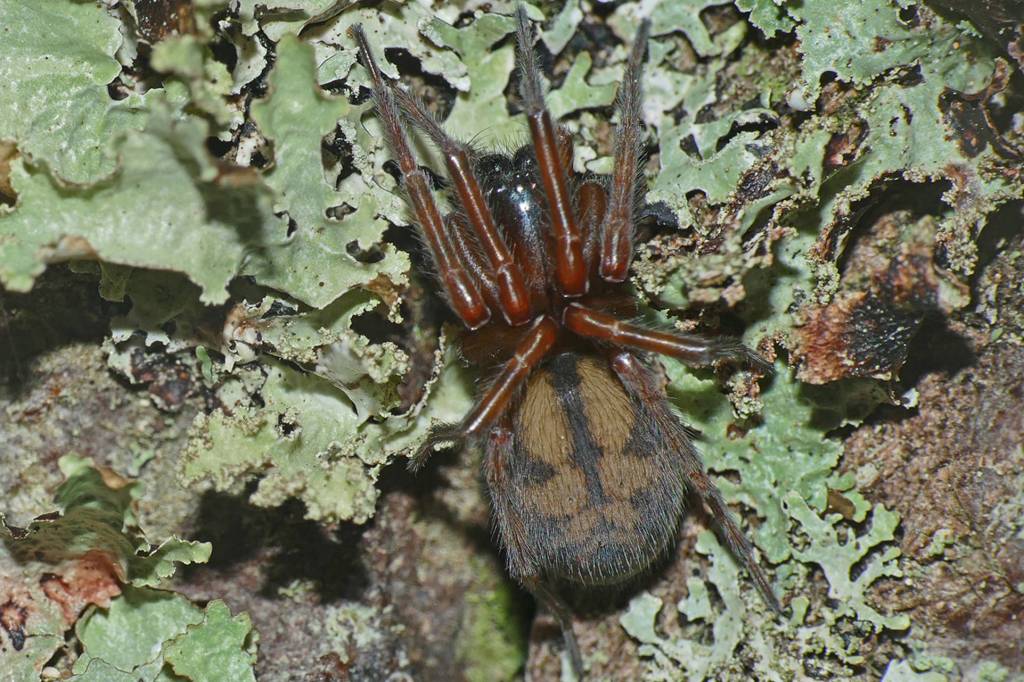
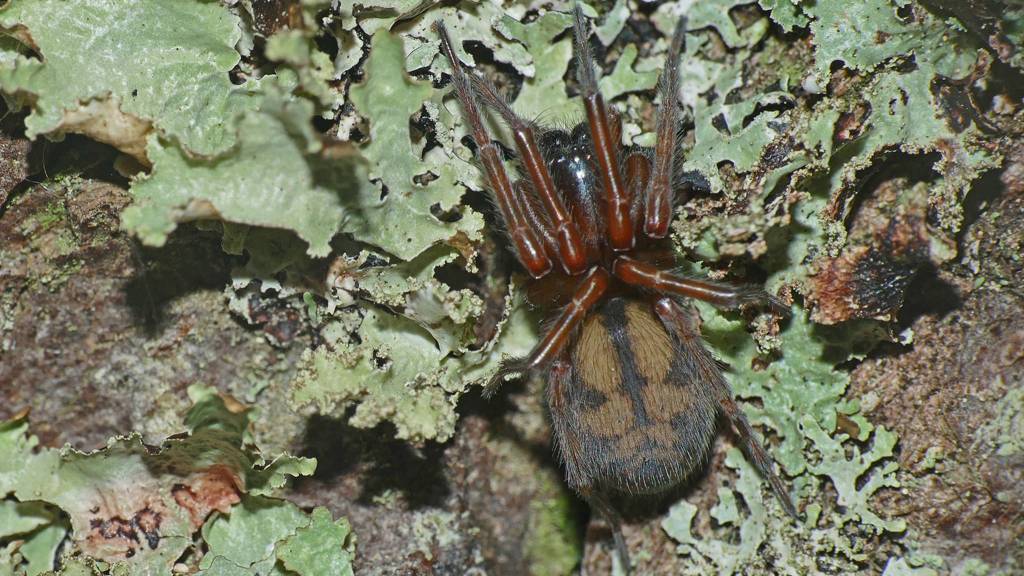

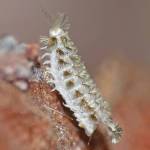
A well-known local photographer and naturalist lifted a flap of hemlock bark and found some interesting small creatures.
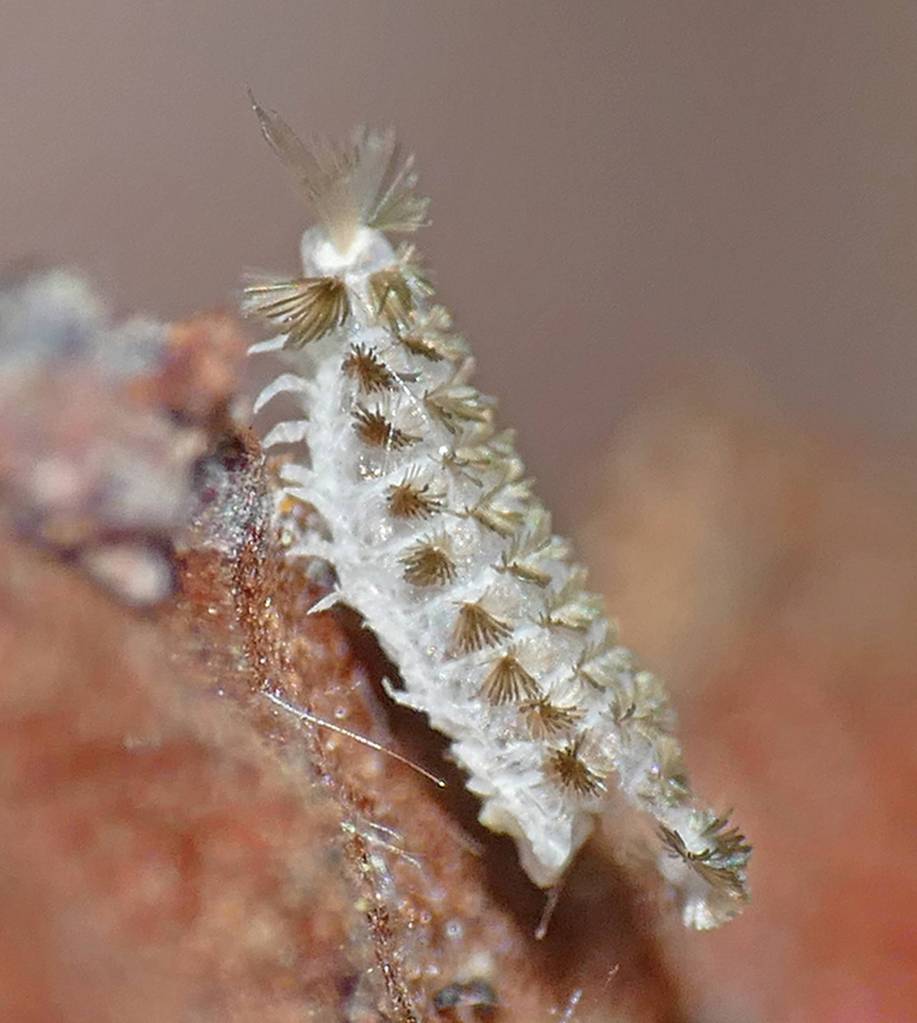
There were several tiny millipedes, only two or three millimeters long. Unlike most millipedes, which are plated with hard covers on each segment, this kind was covered with bristles (of undetermined function).
According to experts, this is a species of Polyxenus, probably Polyxenus lagurus, a widespread species. At the rear end of the body are two tufts of detachable, hooked spines — a sort of grappling hook — that form a defense against predatory ants and spiders.
When attacked, the millipede swings its rear end toward the predator; the spines detach upon contact and cling to the attacker. When an ant tries to groom off the hooks, it just makes matters worse, as it gets entangled and incapacitated in a snarl of spines. Of course, there is somebody somewhere who beats the system: a large tropical ant subdues a polyxenus by stinging it before it can use its hooks.
[Finding solace in nature amid grief and despair]
Many millipedes live in moist places (some get to be a foot long), feeding mostly on plant debris. However, the little bristly ones feed on lichen and algae on bark and rock surfaces, where they are often exposed to the risk of desiccation, and their foods also get very dry, providing little dietary water. But they have a thrifty way of conserving water by absorbing water vapor though the walls of the rectum (the last part of the intestine).
Moisture in the feces produces water vapor and high humidity in the rectum. Because there is more water vapor there than on the other side of the rectal walls, it passes (by osmosis) through the walls to parts of the kidney that lie tight against the rectal wall. A shriveled, well-dried polyxenus can rehydrate in just a few hours, if it happens to find a bit of moisture.
Rectal water conservation has evolved independently in a few species of several unrelated kinds of small invertebrates, including some beetles, fleas, cockroaches, mites, and isopods.
The other interesting creature under that flap of bark was a handsome spider, identified as a species of Callobius, a genus that occurs mostly in North America. They live under bark and stones or in the leaf litter. The common name is hacklemesh weaver or lace-weaver spider, named presumably for the loosely-woven, fuzzy-textured mesh with which they make a somewhat disorganized funnel web.
The males overwinter as immatures, molting to adult form in spring. After mating, they die. Females, however, are found all year round, and may live two or more years. They lay eggs, often in their webs, with several dozen eggs in each cocoon. What happens when those eggs hatch is not yet known, but close cousins of these spiders (in the genus Amaurobius) do something unusual, so maybe Callobius does too.
[Salmon derby season set to kick off]
An Amaurobius female lays one clutch of eggs and guards them until they hatch. She is induced by her first batch of offspring to lay another clutch of eggs, which are usually infertile. These are called trophic eggs, and they are eaten by the first offspring. Then the female vibrates her web, which stimulates those offspring to eat their mother. This is called matriphagy, an extreme form of parental care.
Motherhood may have a high cost, but there is a payoff — offspring that are fed on trophic eggs and on the mother get bigger and probably survive better than those who are not. They stay together for a while, hunting cooperatively to subdue prey. Females that provide trophic eggs and subject themselves to consumption by their offspring have higher reproductive success than those who don’t.
The habit of producing trophic eggs has evolved independently in certain species of unrelated animals, including tree frogs, ants, crickets, stingless bees and snails. In some species, trophic eggs are the only food the newly hatched offspring get.
Young mackerel sharks develop within the uterus of the mother, who produces numerous eggs. Early-hatching offspring commonly eat undeveloped eggs while still inside the mother. In some cases, this habit progresses to cannibalism on late-hatching embryos.
Similarly, matriphagy, usually with lethal consequences for the mother, has evolved independently in certain insects, nematodes (round worms), scorpions, as well as spiders. There is said to be one vertebrate in which the young eat part of the mother, without lethal consequences. In a species of small amphibian known as caecilians, the young eat only the skin, which the mother can regenerate.
Who would have guessed that such strange and fascinating stories would be lurking under a flap of tree bark.
• Mary F. Willson is a retired professor of ecology. “On The Trails” is a weekly column that appears every Friday. Her essays can be found online at onthetrailsjuneau.wordpress.com.