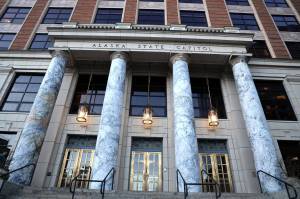
The number of legal conflicts between Alaska and the federal government is rising sharply
Published 9:30 pm Friday, January 26, 2024
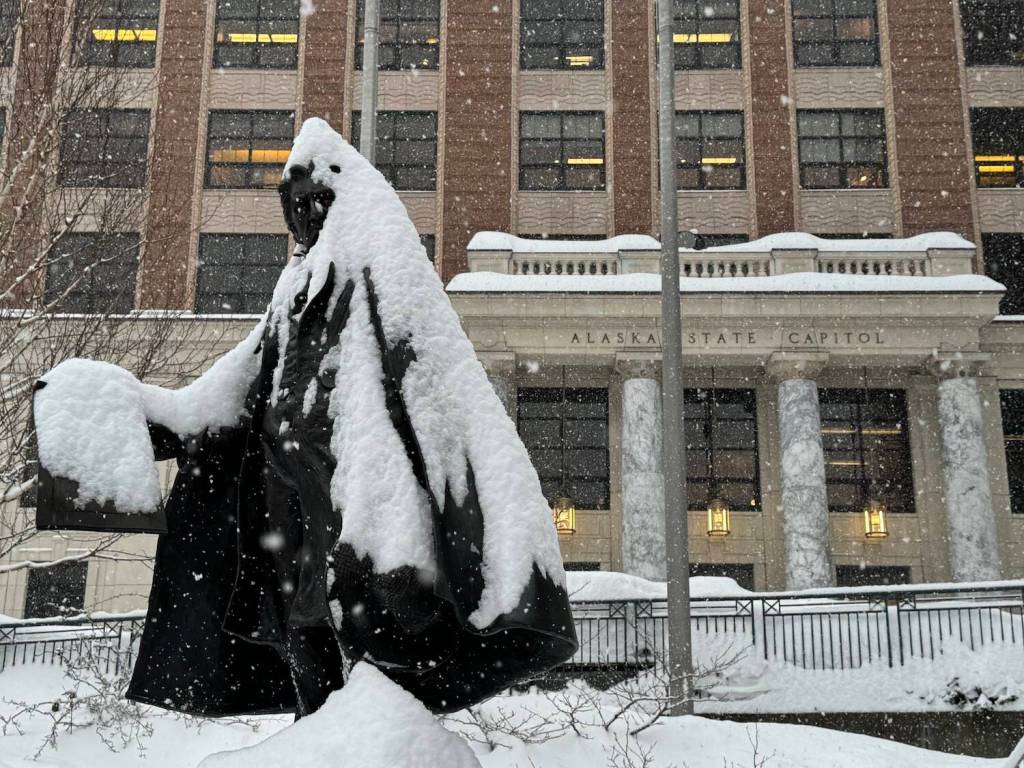


The number of legal conflicts between the state of Alaska and America’s federal government has risen significantly over the past decade, according to a review of annual reports filed by the Alaska Department of Law.
Since 2013, the department has been required to inform the Alaska Legislature annually about legal disputes between the state and the federal government. This year’s report, delivered last week, includes 53 such conflicts, the largest number since reporting began.
“There absolutely is a trend there,” said Attorney General Treg Taylor.
Since 2021, Gov. Mike Dunleavy’s annual budget request to the Alaska Legislature has included money for “statehood defense,” a line item that generally funds lawsuits against the federal government. This year’s budget request includes $2 million for the Department of Law and an additional $2 million for other state agencies as part of the effort.
“Our case counts (in statehood defense) have traditionally been between 30 and 40. But we’re hitting 50 and 60,” Taylor said.
The number of conflicts has risen steadily since 2019, when that year’s report listed 25.
Taylor blames Congress for the growing number of conflicts. With the national legislative branch generally deadlocked and slow to act, presidents are increasingly turning to unilateral executive actions to pursue their priorities.
A 2023 study concluded that by some measures, President Joe Biden used executive actions far more frequently than his recent predecessors during his first two years in office.
“I’m just going to be frank,” Taylor said. “I think it’s partly caused because of the inability of Congress to act. And so when presidents come in, they don’t have a Congress to work with or rely on. And they’ve made all these promises, so they try to do whatever they can through executive order fiat.”
Executive orders can run afoul of the federal Administrative Procedures Act and be challenged in court.
Furthermore, the Biden administration’s policy on environmental issues tends to put it at odds with the Dunleavy administration and the Alaska Legislature, which favors mining, drilling and other forms of resource development.
Lawmakers in the state Capitol have repeatedly — and on a bipartisan basis — funded the governor’s requests for statehood defense money, though they do differ on how that money should be spent, as evinced by a recent lawsuit by the Legislature over the administration’s use of hired attorneys.
Policies that make sense from a national perspective don’t always work in Alaska, Taylor said, and Alaskans want policies to be determined locally.
“I think of our statehood defense (policy), as sort of allowing Alaska to determine Alaska’s destiny. We want to make the decisions that are going to determine our future; we don’t want that future determined by bureaucrats,” he said.
The figures from the annual conflict reports include some cases where the state and federal government are aligned and challenged by a third party. The recent lawsuits over the Willow oil project are one example. Those are uncommon when compared to the number of cases that involve conflicts between the state and federal government.
One of the biggest ongoing issues shown in the reports is the issue of land ownership.
When a navigable river flows through federal land, U.S. Supreme Court precedent says that the state should have possession of the riverbed.
But trouble arises when the state and federal government differ on whether or not a lake or river is navigable. In dozens of lawsuits, the state has claimed navigability that’s denied by the federal government.
Frequently, court records and annual reports show, the federal government fights the state’s claims to the point of a trial, then concedes.
Court records show the state does win financial awards in those cases, but Taylor said that money doesn’t come close to the cost of the cases.
“It’s really sad that we have to do that, and sometimes the thought might have crossed to the people of the state that we’re just overly litigious. Well, there’s a reason for that. It’s because the feds force us to litigate everything,” Taylor said.
The next major hurdle on the topic is slated for February, when oral arguments are scheduled on ownership of Mendenhall Lake in Juneau, site of Alaska’s most popular tourist destination, the Mendenhall Glacier.
Taylor said he expects the number of state-federal conflicts to continue upward unless the U.S. Supreme Court acts to restrain the executive branch.
The court could take significant action on that topic this year as it considers a longstanding precedent known as Chevron deference.
That precedent dictates when a court should yield to a federal agency’s interpretation of federal law. A new precedent could give Alaska — and other states across the country — new ammunition in fights against the federal government.
• James Brooks is a longtime Alaska reporter, having previously worked at the Anchorage Daily News, Juneau Empire, Kodiak Mirror and Fairbanks Daily News-Miner. This article originally appeared online at alaskabeacon.com. Alaska Beacon, an affiliate of States Newsroom, is an independent, nonpartisan news organization focused on connecting Alaskans to their state government.