Supreme Court preserves law that aims to keep Native American children with tribal families
Published 9:30 pm Wednesday, June 14, 2023
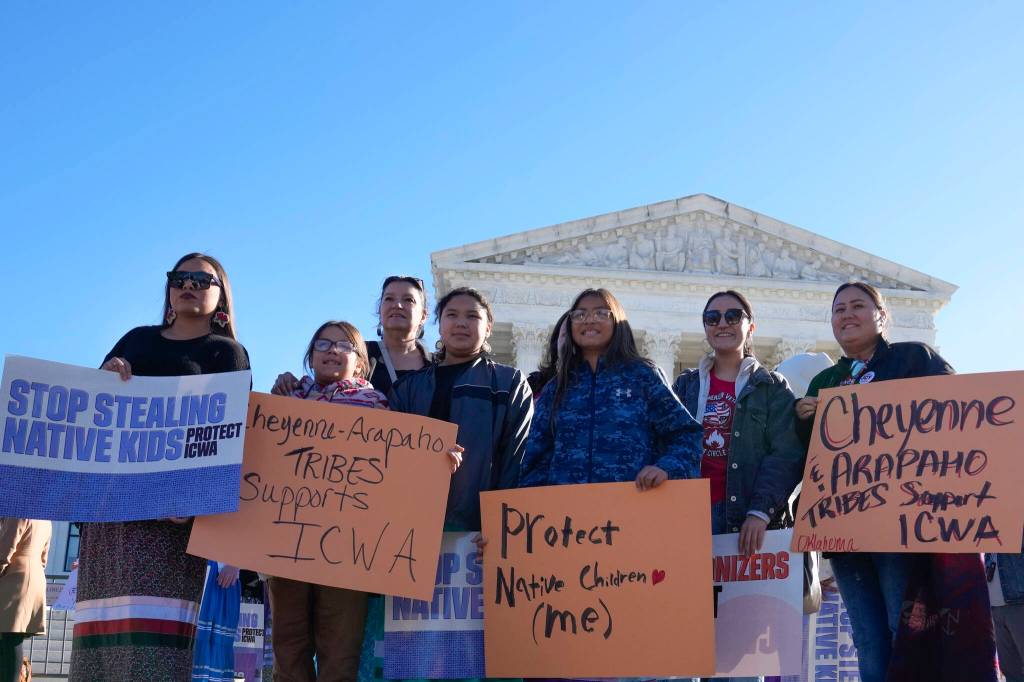
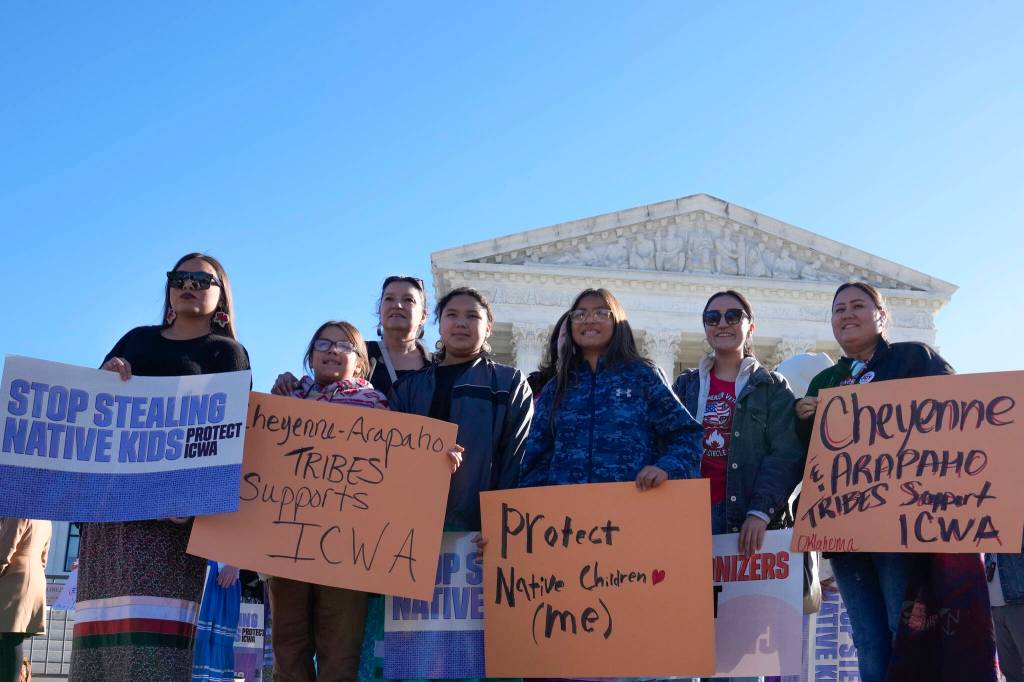
WASHINGTON — The Supreme Court on Thursday preserved the system that gives preference to Native American families in foster care and adoption proceedings of Native children, rejecting a broad attack from some Republican-led states and white families who argued it is based on race.
The court left in place the 1978 Indian Child Welfare Act, which was enacted to address concerns that Native children were being separated from their families and, too frequently, placed in non-Native homes.
Tribal leaders have backed the law as a means of preserving their families, traditions and cultures.
The “issues are complicated” Justice Amy Coney Barrett wrote for a seven-justice majority, but the “bottom line is that we reject all of petitioners’ challenges to the statute.”
Justices Clarence Thomas and Samuel Alito dissented, with Alito writing that the decision “disserves the rights and interests of these children.”
Congress passed the law in response to the alarming rate at which Native American and Alaska Native children were taken from their homes by public and private agencies. The law requires states to notify tribes and seek placement with the child’s extended family, members of the child’s tribe or other Native American families.
U.S. Rep. Mary Peltola, a Bethel Democrat who last year became the first Alaska Native elected to Congress, said in a prepared statement Thursday she is “overjoyed that the Supreme Court has affirmed both the sovereignty of tribal governments and the irreplaceable bonds of Indigenous family.”
“This decision provides certainty and security for children and families all across this country, and respects the basic principles of self-governance for Native American tribes,” she said. “This is an important step in continuing the process of intergenerational healing from long histories of separation and loss, and a victory for tribal advocates everywhere. I look forward to strengthening ICWA, and making sure that children everywhere are able to stay with their families and loved ones.”
Three white families, the state of Texas and a small number of other states claim the law is based on race and is unconstitutional under the equal protection clause. They also contend it puts the interests of tribes ahead of children and improperly allows the federal government too much power over adoptions and foster placements, areas that typically are under state control.
The lead plaintiffs in the Supreme Court case — Chad and Jennifer Brackeen of Fort Worth, Texas — adopted a Native American child after a prolonged legal fight with the Navajo Nation, one of the two largest Native American tribes, based in the Southwest. The Brackeens are trying to adopt the boy’s half-sister, now 4, who has lived with them since infancy. The Navajo Nation has opposed that adoption.
More than three-quarters of the 574 federally recognized tribes in the country and nearly two dozen state attorneys general across the political spectrum had called on the high court to uphold the law.
All the children who have been involved in the current case at one point are enrolled or could be enrolled as Navajo, Cherokee, White Earth Band of Ojibwe and Ysleta del Sur Pueblo. Some of the adoptions have been finalized while some are still being challenged.
The high court had twice taken up cases on the Indian Child Welfare Act before, in 1989 and in 2013, that have stirred intense emotion.
Before the Indian Child Welfare Act was enacted, between 25% and 35% of Native American children were being taken from their homes and placed with adoptive families, in foster care or in institutions. Most were placed with white families or in boarding schools in attempts to assimilate them.