Support for Roadless Rule extends through state, country
Published 10:30 am Tuesday, March 26, 2019
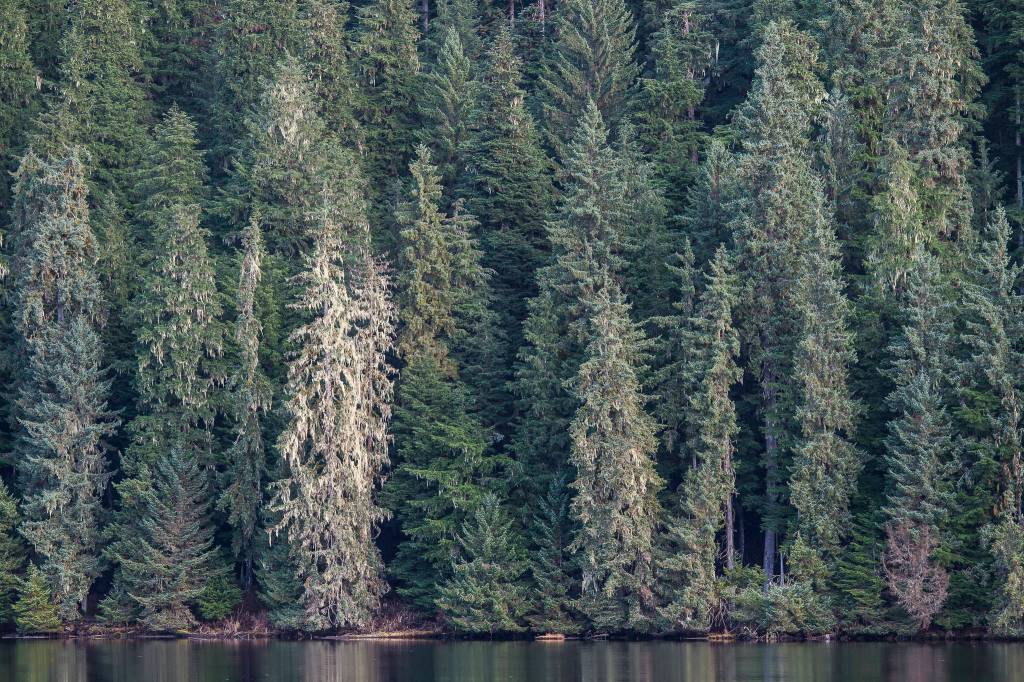
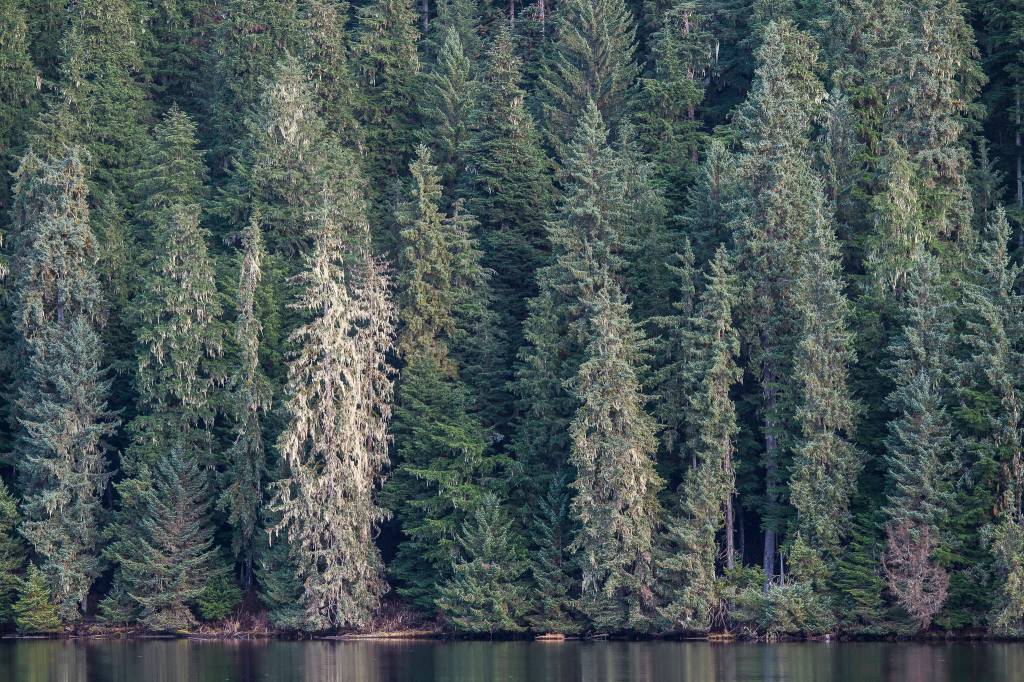


Members of the public near and far have expressed their support for the 2001 Roadless Rule in recent months, both to the U.S. Forest Service and to a national survey organization.
The USFS is currently considering making an Alaska-specific version of the Roadless rule, a federal law that prevents timber harvest and the building of roads on National Forest Service areas throughout the country, including 7.4 million acres of roadless lands in Southeast Alaska. The Alaska-specific Roadless Rule has yet to be written, and is scheduled to be released in June 2020, according to the latest Roadless Rule bulletin from the USFS.
That bulletin also said the majority of comments received during the recent public comment period were opposed to making changes to the rule. Between Aug. 20, 2018 and Oct. 15, 2018, the Forest Service heard 144,000 comments, including more than 32,000 letters and more than 110,000 signatures on petitions.
[Opinion: Lift the Roadless Rule for the Tongass]
For Southeast specifically, responses “generally opposed” increasing timber harvesting in the region, according to the Forest Service’s public comment summary. The main reasons given for this, according the summary, were: the need for federal government and taxpayer subsidies; the timber industry being a minor contributor to Southeast’s economy; and that exporting timber to overseas markets doesn’t create local employment.
Those in Southeast who testified in support of changing the rule pointed to the fact that the decline of the timber industry since the rule went into effect in 2001 hurt the region’s economy.
In February, Pew Charitable Trusts commissioned a survey through opinion and market research company SSRS that found that 75 percent of people polled were in favor of the Roadless Rule. The poll was done via phone and polled a representative sample of 607 people nationwide, according to Pew Charitable Trusts.
Environmental spokespeople in Alaska said they weren’t surprised at the broad support for the measure. Patrick Lavin, senior Alaska representative for the Defenders of Wildlife, said the Roadless Rule has protected forests and wildlife from road building and industrial logging, and has been particularly effective in Alaska.
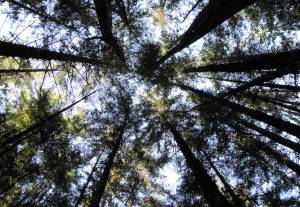
“The rule has been especially important in Alaska, where it has been critical to protecting the largest temperate rainforest on earth, the Tongass National Forest, which is a haven for fish and wildlife,” Lavin said via email. “The public’s overwhelming support should force the Forest Service to rethink its misplaced plans to allow roadbuilding and old-growth logging in these priceless roadless habitats.”
[Opinion: Roadless Rule and the Tongass should remain intact]
About 45 percent of the 17-million-acre Tongass National Forest isn’t open to timber harvest or the construction or reconstruction of roads under the Roadless Rule. About 20 percent of that total is Congress-designated wilderness blocked from development even under a modified roadless rule.
Dan Cannon, the Tongass Forest program manager for the Southeast Alaska Conservation Council (SEACC), said keeping these areas from being developed is vital to the long-term future of the Tongass.
“Keeping the Tongass healthy and intact by preventing logging roads and clearcut logging will help maintain the region’s resiliency in the face of climate change,” Cannon said via email. “Many of these roadless areas protect watersheds that are critical for our fishing and tourism industries, the economic heart of Southeast. The 2001 National Roadless Rule also supports the many Southeast Alaskans who rely on subsistence hunting and fishing to fill their freezers each year.”
From March to June, the Forest Service will sent out monthly updates about its progress on examining the Roadless Rule and will consult with Alaska Native corporations, according to the most recent bulletin. In July or August, the Draft Environmental Impact study should be completed, and there will be public meetings and a 60-day open period for written comments.
• Contact reporter Alex McCarthy at amccarthy@juneauempire.com. Follow him on Twitter at @akmccarthy.