
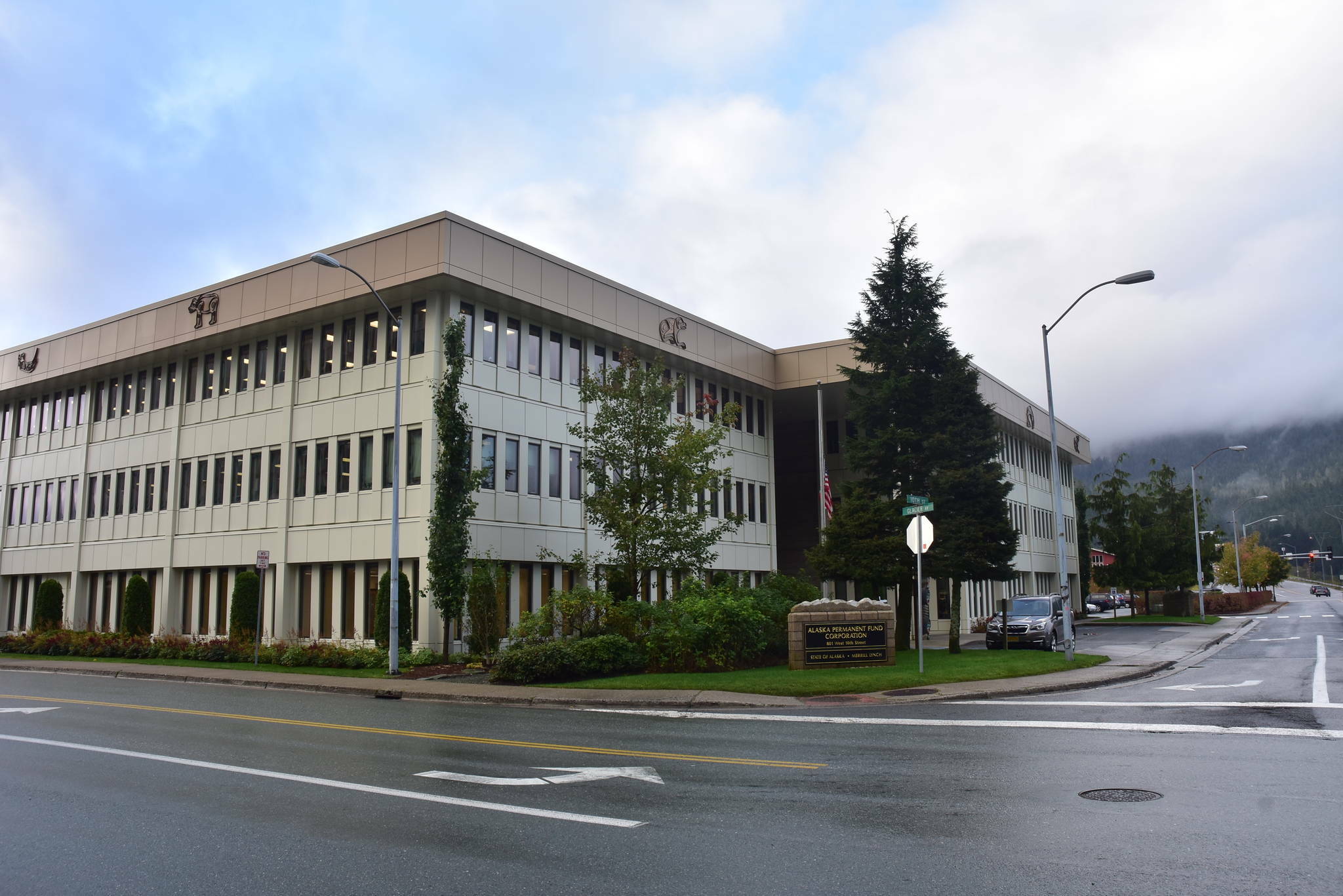
A new study on Alaska’s Permanent Fund Dividend from Washington State University found that middle- and lower-income parents spent more funds on immediate items for their children in greater numbers than higher-income parents.
“I think that my main takeaway was we don’t need to be so worried about giving lower-income parents money,” said Mariana Amorim, associate professor of sociology at WSU. “With low- and middle-income parents you see an increase in spending on clothes and electronics, but also spending on school lessons and recreation, things that promote human capital and cognitive development.”
Amorim looked at data going back 20 years from the U.S. Bureau of Labor Statistics’ Consumer Expenditure Surveys, to analyze spending by Alaskan parents around the time they received annual payouts from the fund. In a phone interview with the Empire Tuesday, Amorim said her interest in the PFD came from her work on cash payments to parents, specifically the Earned Income Tax Credit. But Alaska’s PFD is a universal payment, she said, which makes it a unique research opportunity. The EITC only covers a select group of parents whereas the PFD is sent to every Alaskan who meets the residency requirements Amorim said, making it easier to study spending patterns.
Amorim said one of the downsides of her study is it doesn’t account for longer-term inequalities the dividend can create. Middle- and lower-income parents often have more immediate baseline expenses such as rent, utilities and debt, Amorim said, giving them less money to spend on their children. Higher-income parents already spend money on their children, Amorim said, and typically use PFD funds for savings and investments for education.
Amorim said lower-income parents often use payments to catch up with their higher-income peers, but that spending is less impactful in the long term.
“The PFD has benefit for families with children, but it seems to be particularly benefiting middle- and higher-income parents,” Amorim said. “There are inequalities in what families can actually make from the PFD. (Dividend payments) are important and significant but substantially small.”
Amorim also noted her study looks at parent spending patterns amongst a certain level of social services, and cannot account for the impact of the PFD if social services in Alaska were reduced.
“The amount of the PFD can make up for access to quality public education,” Amorim said. “It’s not a replacement for social services.”
National attention
The study is one of many to be done on Alaska’s PFD, said Sara Cowan, the executive director at the newly formed Cash Transfer Lab at New York University. The lab was started in March, Cowan told the Empire, and is currently primarily focused on studying the PFD as decades of payments provide a significant data set for researchers.
[Health officials urge caution and calm amid new variant]
“Providing cash to individuals is increasingly popular in policy proposals,” Cowan, an associate sociology professor at NYU said. “The PFD is the longest standing universal cash transfer program in the U.S., it gives us over 40 years of insight of providing cash to individuals.”
Cowan said the lab is partnering with Alaskans and interviewed dozens of lawmakers and community leaders — including Gov. Mike Dunleavy —to find out what Alaskans wanted to know about the PFD.
“The most frequent questions were what people spend the extra money on,” Cowan said. “That’s actually pretty tricky question to answer, people are really bad about telling you about what they spend money on.”
The lab is able to look at things like aggregated receipts provided by companies, but Cowan said that only provides a partial understanding of the dividend’s impact. The Cash Transfer Lab is currently planning other additional studies on how the PFD affects other parts of the Alaskan economy, Cowan said, like housing and the ability for elders to age in place.
The lab’s Alaskan partners include state Sens. Mike Shower, R-Wasilla, and Robert Myers, R-North Pole; state Rep. Jonathan Kreiss-Tomkins, D-Sitka; Cook Inlet Housing Authority CEO Carol Gore; associate professor of economics at the University of Alaska Anchorage Mouchine Guetabbi; and former state lawmaker and co-founder of the Alaska Federation of Natives William Hensley.
UAA’s Institute of Social and Economic Research is hosting a panel discussion on the PFD Wednesday, Dec. 1, from 5:30-7 p.m.
One of the panel members, UAA assistant professor of health care economics Mary Koprivna, said Amorim’s study was useful as a lot is still unknown about how people spend their PFDs. More research needs to be done, Kopriva told the Empire, to better understand the full impacts of dividend payments.
No study is perfect, Koprivna said, but Amorim’s study helped look at the differences in spending that occur across socioeconomic status.
“There’s been some research but there certainly needs to be more,” Koprivna said. “If we had better data that looks at more Alaskans we could say a lot more.”
• Contact reporter Peter Segall at psegall@juneauempire.com. Follow him on Twitter at @SegallJnuEmpire.
