State examining sending inmates out of state (again) to save money
Published 12:30 pm Friday, February 15, 2019
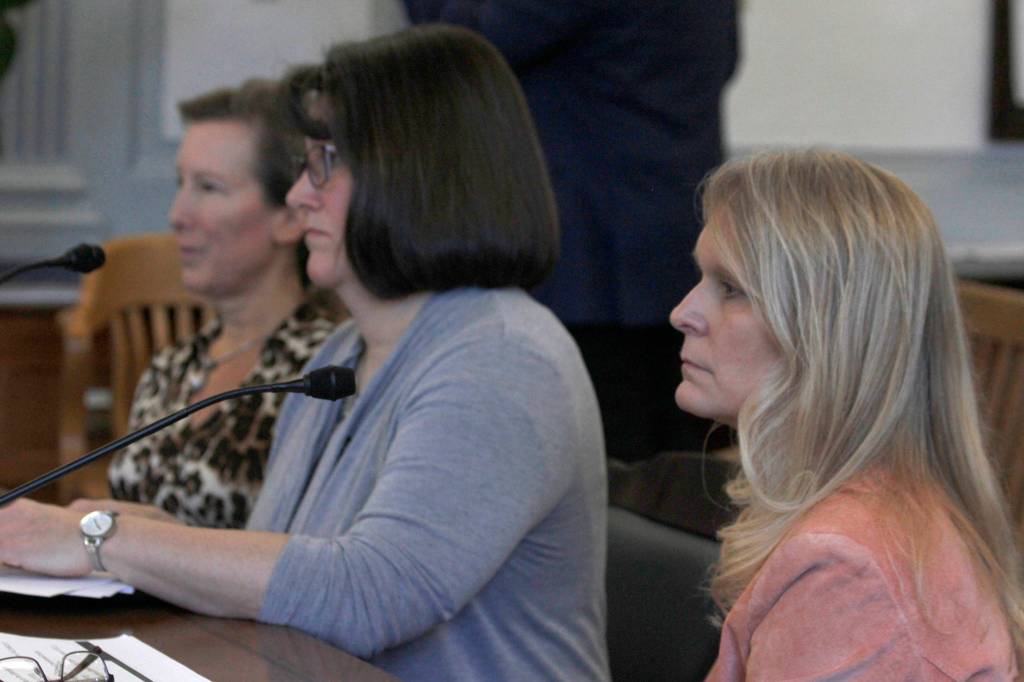


Recent history might repeat itself if Gov. Mike Dunleavy’s proposed budget comes to fruition.
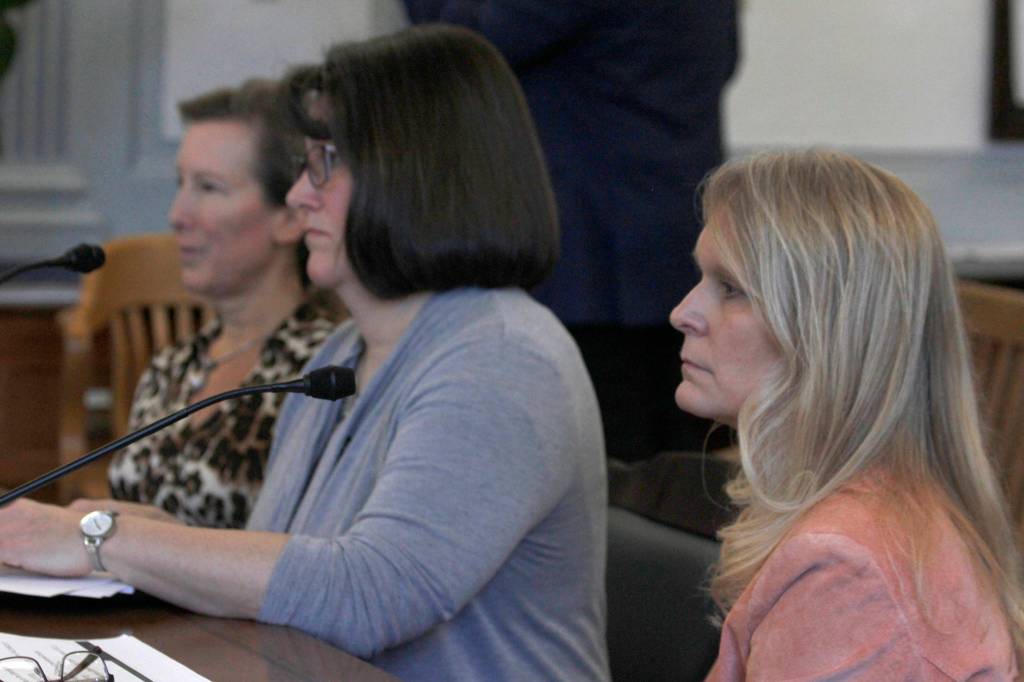
Included in the plan for the Alaska Department of Corrections is a money-saving measure that would send at least 500 inmates from Alaska prisons to prisons outside the state, according to a presentation to the Senate Finance Committee on Friday.
Doing this would provide a savings of $12.8 million, according to the presentation from DOC officials and Office of Management and Budget Director Donna Arduin. The governor’s budget also proposes closing down a wing of Wildwood Correctional Center on the Kenai Peninsula to save money.
Kelly Goode, deputy commissioner for DOC, said in the presentation Friday that the department has begun to reach out to Outside prisons to see if there’s room for Alaskans.
“We just wanted to know if there were even beds available outside, but beyond that, no, we haven’t started a process,” Goode said.
It costs about $150 a day to incarcerate someone in Alaska, while it costs about $95 to do it in the Lower 48, according to a release from the governor’s office.
According to the presentation Friday, Dunleavy’s budget proposes that the state cut $29 million in funding for DOC. These cuts would be cut in part by a combined $11 million from federal funding and from “other” sources. Robb said a large amount of this “other” category comes from Permanent Fund Dividends that some inmates apply for but don’t receive because they’re ineligible. She said this money usually goes to health care in prisons.
Estimated state costs (fiscal notes) from Dunleavy’s proposed crime bills will also help offset cuts, presenters said to the Senate Finance Committee on Thursday and Friday.
The state used to send inmates out of state and stopped a few years ago, as Sen. Bill Wielechowski, D-Anchorage, pointed out during Friday’s meeting. In an interview after the meeting, DOC Administrative Services Director Sylvan Robb said the department started phasing out of sending prisoners out of state in 2012 or 2013.
The main reason the state stopped sending inmates out of state, Robb said, was because Goose Creek Correctional Center north of Anchorage was built, so the state had room to keep everyone in state.
Now, as the Dunleavy administration aims to cut $1.6 billion from the state’s spending in order to balance the budget without any new revenues, OMB and DOC are considering bringing back the program of sending inmates out of state.
[Experts: State could lose tens of thousands of jobs if budget proposal goes through]
Kara Nelson, the former director of Haven House in Juneau (a faith-based home for women entering society after leaving prison) and a longtime advocate for reentry efforts in Alaska, told the Empire in a phone interview Friday that the conditions of many of the prisons people were sent to out of state were “horrendous.”
Nelson, who spent time in prison herself, said the father of her children was sent to prisons in Colorado and Arizona and that it was extremely difficult for her and her children to stay in touch with him. Nelson was particularly critical of private prisons.
“It’s big business, and it’s unfortunate that people are making money off the backs of socially, economically challenged, marginalized communities,” Nelson said. “Especially in Alaska, when we have so many rural areas, we’re already at a disadvantage when they have to go to prison in our larger communities, let alone taking them out of state.”
In the long run, she said, sending people out of state will harm them and harm the state. In her reentry work, Nelson has heard many stories about how poor the health care is in private prisons and how little oversight and transparency there is in the prisons.
When people come back to Alaska after stays at bad prisons outside the state, she said, many of them haven’t received treatment they need for mental health or substance abuse disorder issues. She said it’s not surprising that this administration is proposing this.
“It’s devastating,” Nelson said. “Our state right now, especially because of the exploitation that you’re seeing in our political government of people’s fears at the moment, which is my view of it, it’s really a shame because the effects of this are not going to be worth any dollars that they think that they’re saving.”
A connection to the industry?
The issue of private prisons has woven through this legislative session already, as lawmakers have called attention to Arduin’s previous ties to the industry. Arduin has held positions with organizations connected with private prison company GEO Group, according to a 2005 report from the LA Times.
In a tense exchange at Friday’s presentation, Wielechowski specifically asked Arduin about her connections to the private prison industry, and said Arduin had been on the board of GEO Group.
“I was not on the board of GEO,” Arduin said. “I have no connections with private prisons and I have not had any conversations with them.”
In a statement recently emailed to the Empire, OMB Deputy Commissioner Laura Cramer provided some clarification about Arduin’s connections to GEO Group.
“She was an independent trustee for a publicly traded company, Centrcore Properties Trust (a REIT) during 2005-2006,” Cramer’s statement read. “GEO was one of Centrcore’s leasing customers. She never had a financial interest with GEO or GEO Care.”
• Contact reporter Alex McCarthy at 523-2271 or amccarthy@juneauempire.com. Follow him on Twitter at @akmccarthy.