State, employees’ union reach tentative agreement on 11% pay hike over three years
Published 9:30 pm Friday, May 2, 2025
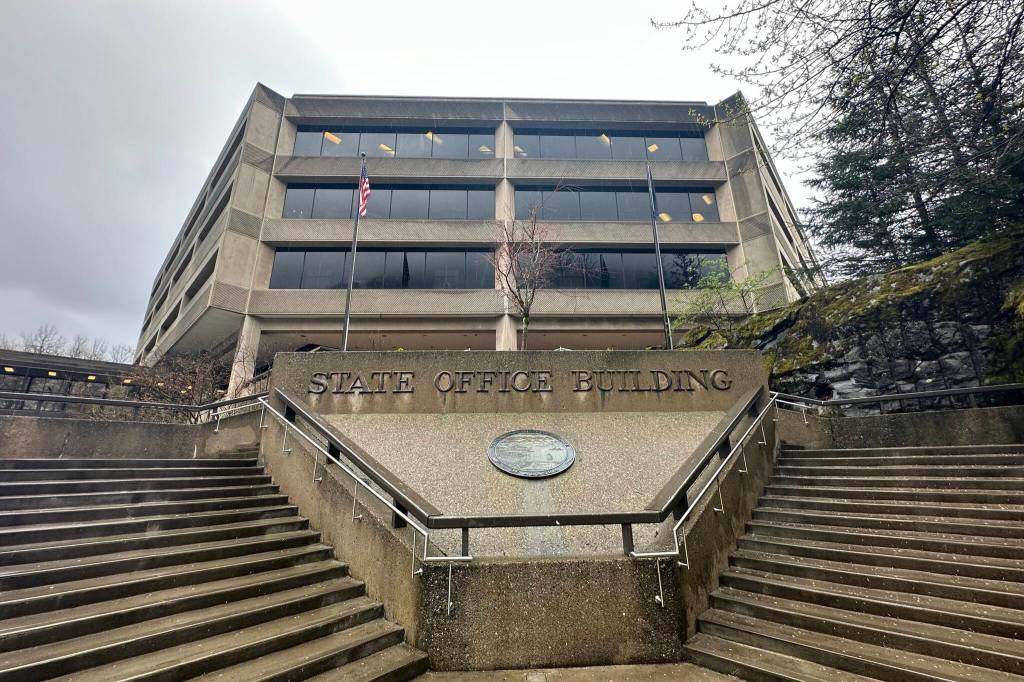
An 11% pay increase and significant boost in health care coverage over three years is part of a tentative agreement announced Friday by a union representing more than 8,000 Alaska state government employees.
The agreement calls for a 3% increase and a $2,500 lump sum payment on July 1 of this year; a 3% increase and $2,000 lump sum payment on July 1, 2026; and a 5% increase on July 1, 2027, according to a press release issued by the Alaska State Employees Association. The state will also increase health care contributions by $300, $152 and $162 during those three years, compared to $12.50 a year under the previous contract with ASEA.
“This deal is the result of nearly a year of hard work from our members and ASEA Staff,” Heidi Drygas, executive director of ASEA/AFSCME Local 52, said in a prepared statement. “It includes concessions from both the state and ASEA but we believe it is a solid agreement and arguably one of the best contracts GGU has seen.”
ASEA members still need to ratify the agreement and the Alaska Legislature needs to approve funding in the budget for the coming fiscal year that starts July 1.
The tentative deal comes amidst a tug-of-war between two conflicting fiscal realities for the state and its compensation of employees. One is a long-delayed salary comparison study that shows pay for most employees is below the state’s official competitiveness target level. The other is an increasingly dire financial outlook during at least the next few years that has resulted in state lawmakers drafting a budget with the lowest inflation-adjustment Permanent Fund dividend in history.
The salary study released last month found pay for 31 of 36 occupation groups in Alaska are at 85%-98% of target level of the 65% percentile — meaning 65% of all people with such jobs are paid less and 35% are paid more. The study also found 21 of the 36 groups are below the public/private sector average (a.k.a. the 50th percentile). The state Department of Administration argued the study shows 72% of employees are paid at or above the 50th percentile for their occupations.
However, union officials and many state lawmakers argued the state’s 65% percentile target level is meant to lure and retain employees — especially given prolonged and widespread worker shortages — and the state government’s current 16% vacancy rate shows compensation isn’t competitive.
Another effort by legislators of trying to make jobs more attractive for public sector employees — restoring a traditional pension system abandoned by lawmakers in 2006, rather than the 401(k)-style plan now in place — is on hold until at least next year. But Drygas said the state’s higher contribution to the ASEA Health Benefits Trust is a significant improvement in non-salary compensation.
“Alaska has the highest health care costs in the nation and those costs only continue to rise,” she said. “This increase is long overdue and the first significant one since the implementation of the Affordable Care Act. Our members deserve meaningful wage increases that are long overdue but it is also imperative for the negotiating team to ensure members continue having access to the best, most affordable health care in the state.”
But while state employees are making the case they deserve more money, the state is facing enormous deficits just paying the bills it currently has — and lawmakers say the situation appears as if it will get much worse during at least the next couple of years.
The state Senate Finance Committee approved an operating budget for next year with a PFD of $1,000, which when adjusted for inflation would be the lowest payment ever since the dividend program began in 1982. The proposed PFD was reduced from roughly $1,400 in the budget passed by the House, accounting for $265 million of the $384 million cut by senators from the $12 billion budget approved by the House that had a deficit of hundreds of millions of dollars.
The budget sent to the Senate floor has a surplus on paper — meeting the constitutional requirement of a balanced spending plan — but there are numerous variables including extra money for state employee compensation that are likely to erode those funds, Sen. Lyman Hoffman (D-Bethel), co-chair of the Senate Finance Committee, said earlier this week.
The primary concern is a sharp drop in oil prices and rising predictions of a recession — both triggered by policies such as global tariffs imposed by President Donald Trump since he returned to office in January — which Hoffman said is likely to result in a far more dire situation a year from now that could stretch into future years.
• Contact Mark Sabbatini at mark.sabbatini@juneauempire.com or (907) 957-2306.