Scientists: Pebble Mine study doesn’t account for all risks
Published 1:45 pm Monday, April 1, 2019
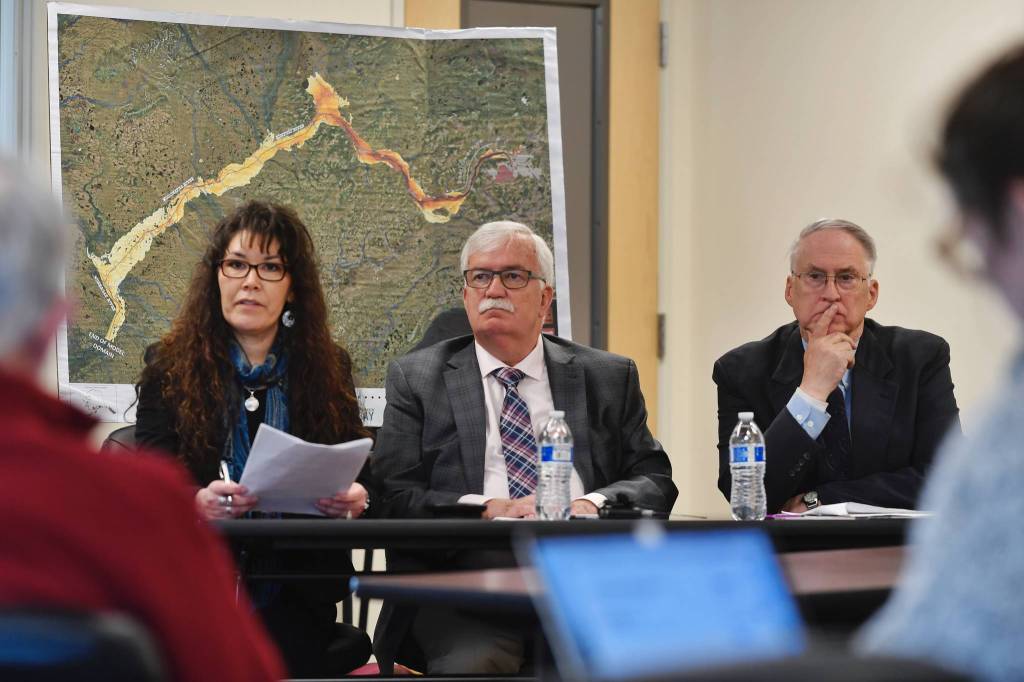
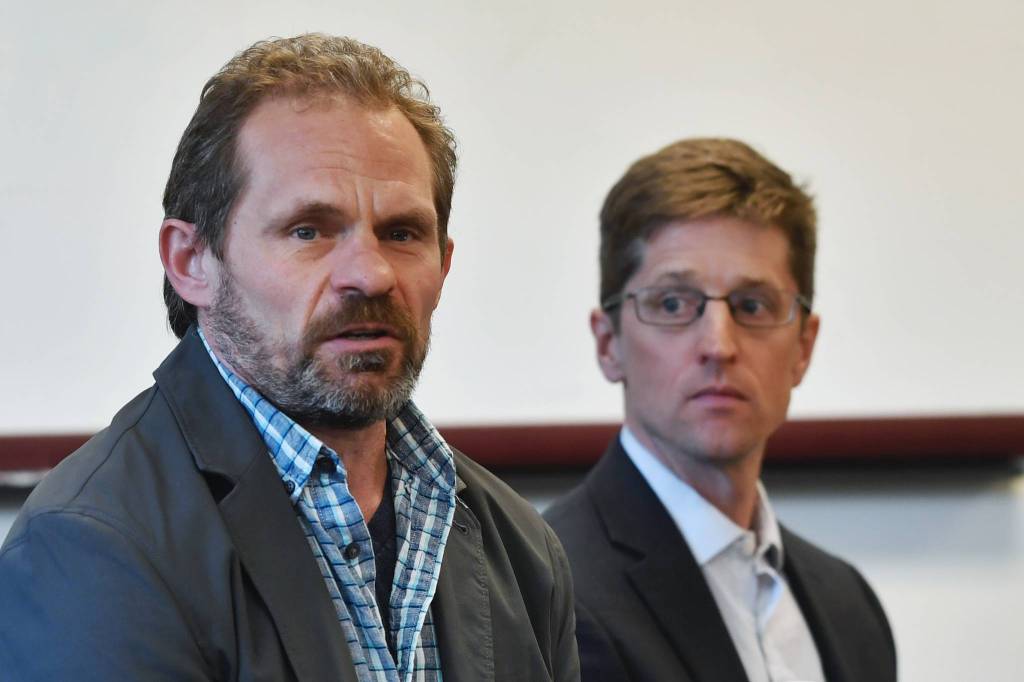
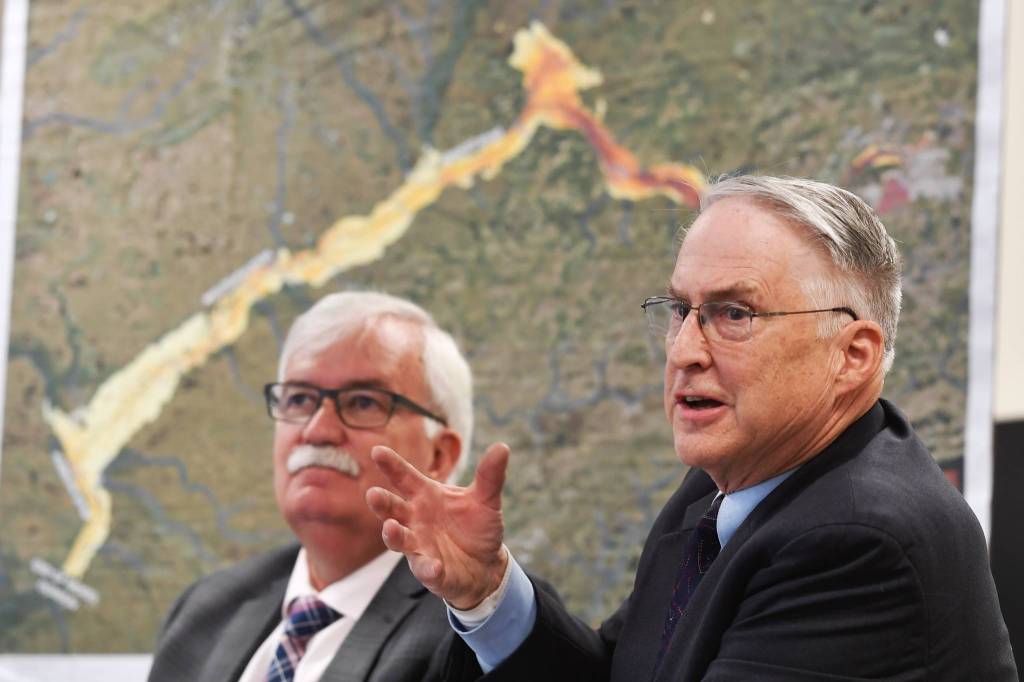


Representatives have been grappling with the a proposal to develop a mine near Bristol Bay.
As a part of the wider discussion, the House Resources committee heard Monday from a group of scientists and advocates who disagree with the Pebble Mine project which proposes developing the Pebble copper-gold-molybdenum porphyry deposit (Pebble Deposit) in southwest Alaska as an open-pit mine, with associated infrastructure.
A group of scientists and Bristol Bay residents held a press conference, detailing concerns with the draft environmental impact statement (DEIS) released by the U.S. Army Corps of Engineers in February. Some critics have said the 90-day comment period for this DEIS is not long enough, considering the length of the document.
The chief concerns were that the DEIS used too short of a time frame to associate the risks of the mine, it used an inappropriate fish habitat assessment, cumulative risks were essentially ignored, there was very little mention of long-term risks associated with climate change and that it used selective use of scientific literature when backing up claims.
[Like ‘Willie Nelson regulating pot?’ Public skeptical of commissioner’s Pebble past]
“It is absolutely clear that it has way underestimated risks and does not pass as credible science,” said Daniel Schindler, a professor in the School of Aquatic and Fishery Sciences at the University of Washington during the press conference.
Resources Co-Chair, Rep. Geran Tarr, D-Anchorage, says that the Army Corps of Engineers will be speaking in front of the committee on the same topic soon.
Norman Van Vactor, a longtime participant in Bristol Bay fisheries and current CEO of the Bristol Bay Economic Development Corporation, said that he has absolutely no confidence in the Army permitting process.
“To allow Pebble to drive this permitting process makes absolutely no sense and defeats the purpose of a permitting process to begin with,” he said at the press conference. “(The) process should be testing their assumptions, not taking Pebble at it’s word. … Science drives the decision-making, not industry speculation, fantasies or good intentions. The Army Corps’ draft is the complete opposite — it ignores well documented data and is missing critical info. … Why are we lowering the bar to the lowest level possible? Alaska should be upholding strong standards and science-based permitting in all industries not just some.”
The group also took problem with the economic implications of the mine, saying that major mining companies would not invest in the project because it would not net enough profit if it was only open for 20 years, the period the DEIS draft uses.
“The economic world says this doesn’t work either,” said Rick Halford, a former Alaska legislator. “Everything they do is designed to get a permit, and the permit is going to be worthless. This mine is at least a mile deep and it’s the richest at depth and to mine your way down to the money and then stop is a ridiculous assumption.”
They change in the middle of the process, Halford said. “They came in with a number for the size of their small mine … within months they’ve increased that by 25 percent. They’re not bound by what they’re trying to get a permit on and they know it.”
During the committee presentation, Rep. Ivy Spohnholz, D-Anchorage, said that there are more jobs at risk from potential effects of the mine than the mine itself would create. This comment came after Rep. Sara Rasmussen, R-Anchorage, asked how many of the fishery jobs were held by workers from out of state.
[Capitol Live: Republicans look into agency over rifle sticker uproar]
“Forty-eight percent of Alaska’s salmon comes from the region, 14,000 direct jobs (at the fishery) compared to 750 jobs presented to us last week by Pebble Partnership,” Spohnholz said. “Even if only half of those go to year-round residents, that is a lot of jobs for a region in which people have lived for millenea. I think that’s a very important distinction to make.”
Rasmussen also asked, “Why are so many people migrating from Southeast Alaska?”
She said a number of families have migrated to her district from the area and that the Pebble Mine could support infrastructure that would slow this migration.
Van Vactor said people migrate for different reasons. He said if the Pebble Mine project were to go through it would be mostly workers who come in for a certain period of time just to work at the mine, more like oil field workers rather than longtime residents.
A big issue the scientists said they had with the EIS was that the timeline was way too short to evaluate risks and that a 100 year analysis would have been better than a 20 year one, because the tailings dam has a 1 in 5 chance of failing over a century.
“There’s a lack of confidence in the Army Corps permitting process as it relates to this EIS project,” Van Vactor said. “I would ask the hundreds of thousands if not millions of Americans in the Midwest right now how much confidence they have in the Army Corps of Engineers certification process as it relates to the dams and levies that have failed and flooding that is happening throughout the U.S.”
• Contact reporter Mollie Barnes at mbarnes@juneauempire.com.