Scientists and Indigenous leaders team up to conserve seals and an ancestral way of life at Yakutat
Published 9:30 pm Friday, June 7, 2024
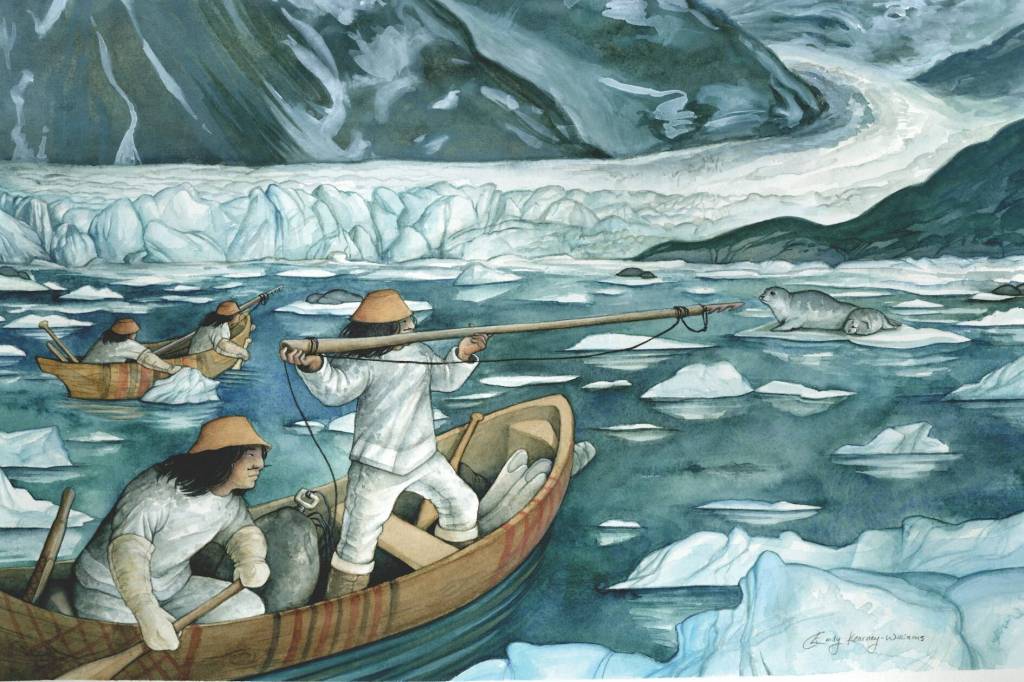
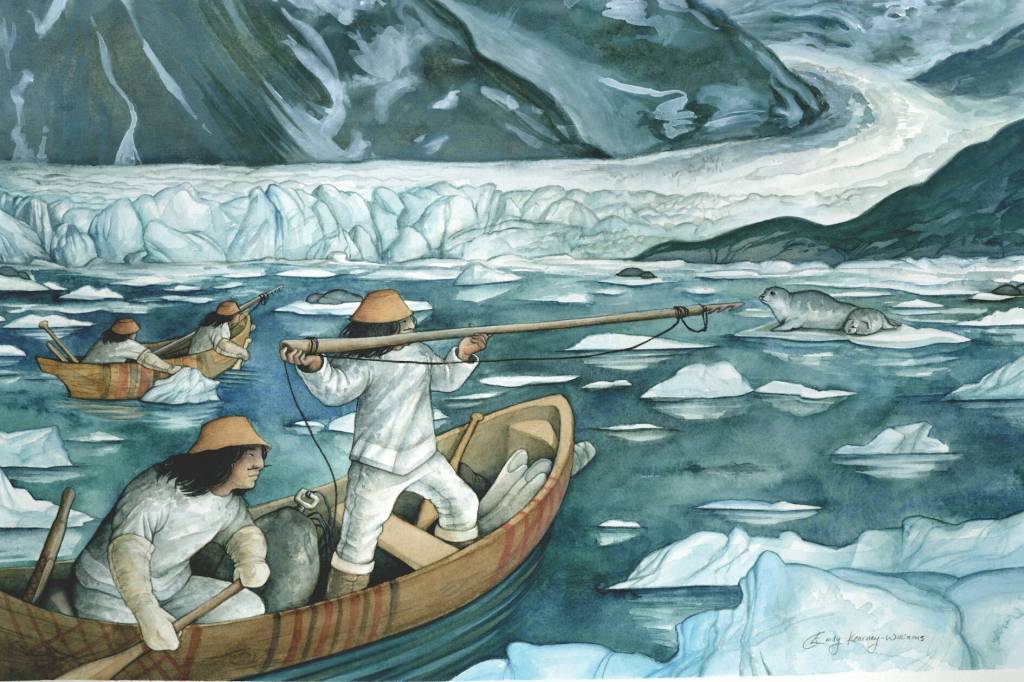
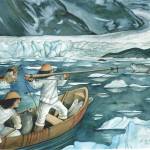
Tlingit elders in the Alaska Native village of Yakutat today describe their ancestors’ daring pursuit of harbor seals, or “tsaa,” and the people’s respect for the spirits of the mountains, glaciers, ocean and animals of their subarctic world.
Long ago, they say, migrating clans of the Eyak, Ahtna and Tlingit tribes settled Yakutat fjord as the glacier retreated, shifting their hunting camps over time to stay close to the ice floe rookery where the animals give birth each spring. Clan leaders managed the hunt to avoid premature harvesting, overhunting or waste, reflecting Indigenous values of respect and balance between people and nature.
Now, Yakutat’s 300 Tlingit residents continue this way of life in modern form, harvesting more than 100 different fish, birds, sea mammals, land game and plants for subsistence use. Harbor seals are the most important, their rich meat and blubber prepared using traditional recipes and eaten at everyday meals and memorial potlatch feasts.

Yet the community faces a crisis: The dramatic decline of the Gulf of Alaska seal population due to commercial hunting in the mid-20th century and the failure of the animals to recover because of warming ocean waters. To protect the seals and their way of life, residents are turning to traditional ecological knowledge and ancestral conservation practices.
We are an Arctic archaeologist who studies human interactions with the marine ecosystem and a Tlingit tribal historian of the Yakutat Kwáashk’i Kwáan clan. We are two of the leaders of a project that examined the historical roots of the situation.
Our collaborative research, which brought together archaeologists, environmental scientists, Tlingit elders and the Yakutat Tlingit Tribe, has been published as the book “Laaxaayík, Near the Glacier: Indigenous History and Ecology at Yakutat Fiord, Alaska.” In it, we detail an Indigenous people’s changing way of life and evolving relationship to their glacial environment over the past 1,000 years. To do so, we combined Indigenous knowledge of history and ecology with scientific methods and data.
Ancestral sealing
According to oral tradition, the village of Tlákw.aan (“old town”) was built on an island in Yakutat fjord by the Ginex Kwáan, an Ahtna clan from the Copper River that migrated across the mountains, intermarried with the Eyak and traded ceremonial copper shields for land in their new territory. They subsisted on the fjord’s abundant resources and hunted at the seal rookery near the retreating glacier, then located a few miles to the north.
Today Tlákw.aan is a cluster of clan house foundations in a quiet forest clearing, and our excavations there in 2014 were aimed at learning more about the lives of the inhabitants and their use of seals before Western contact.
Radiocarbon dating shows that Tlákw.aan was built around 1450 A.D., aligning oral accounts with geologists’ reconstruction of the glacier’s position at that time. Artifacts confirm the Ahtna and Eyak identities of the inhabitants. Sealing items found at the site include harpoon points, stone oil lamps, skin scrapers and copper flensing knives. Harbor seal bones are common, with over half from young animals taken at the rookery.
The site reflects aboriginal conditions – an abundant seal population, reliance on seals for meat, oil and skins, and sustainable hunting at the glacial rookery.
Impact of commercial sealing
The U.S. purchase of Alaska from Russia in 1867 disrupted traditional sealing at Yakutat. To meet rising global demand for seal skins and oil, the Alaska Commercial Company supplied Alaska Native communities with rifles and recruited them to kill harbor seals by the thousands.
Yakutat was a principal hunting ground for the new industry from about 1870 to 1915, and each spring the entire community would move from their main winter village to hunting camps near the glacier. Men shot seals and women prepared the skins, smoked the meat and rendered blubber into oil. In the fall, the men paddled seagoing canoes, laden with seal products for trade, to the Alaska Commercial Company’s post in Prince William Sound.

We compared historical data and elders’ accounts of this era with archaeological evidence from Keik’uliyáa, the largest camp. The scale of the enterprise is evident in photographs taken in 1899 that show long rows of canvas tents, smokehouses, seal skins drying on frames, beached hunting canoes and women flensing piles of seal carcasses. Inside rock outlines of the tents, we found glass beads, rifle cartridges, nails, glass containers and other trade goods reflecting the community’s changing culture and its incorporation into the capitalist market system.

Commercial hunting overtaxed the seals’ capacity to reproduce, leading to a population crash in the 1920s. This cycle repeated in the 1960s when world prices for skins jumped and hundreds of thousands of harbor seals were taken in the Gulf of Alaska by Alaska Native hunters, exceeding the sustainable yield. The seal population declined by 80%–90%.
Although commercial sealing ended in 1972 with the Marine Mammal Protection Act, the seals have never recovered. The days when the ice floes were “black with seals,” as Yakutat elder George Ramos Sr. remembered, are over, perhaps forever. Ocean warming driven by global climate change and an unfavorable cycle of the Pacific Decadal Oscillation have reduced fish that are important in the seals’ diet, clouding prospects for their comeback.

Caring for seals and the community
In response, Yakutat Natives have changed their diet and greatly reduced hunting, taking 345 seals in 2015 – about one per person – compared with 640 in 1996. Very little hunting is now done at the ice floe rookery, allowing the seals to raise their pups undisturbed.
The community cooperates with the Alaska Department of Fish and Game, National Oceanic and Atmospheric Administration and Alaska Native Harbor Seal Commission to monitor and co-manage the herd, contributing their Indigenous expertise in seal behavior and ecology. They have also been active in efforts to protect the seal rookery from disturbance by cruise ships.
The Yakutat people are recommitting to ancestral principles of responsible care and spiritual regard for seals, seeking to ensure the species’ survival and continuation of the life-sustaining Indigenous tradition of sealing.
• Aron L. Crowell is an Arctic archaeologist for the Smithsonian Institution and Judith Dax̱ootsú Ramos is an assistant professor of Northwest Coast Arts at the University of Alaska Southeast. This article is republished from The Conversation under a Creative Commons license. Read the original article.