Planet Alaska: Woven with herring
Published 2:00 am Tuesday, March 19, 2019

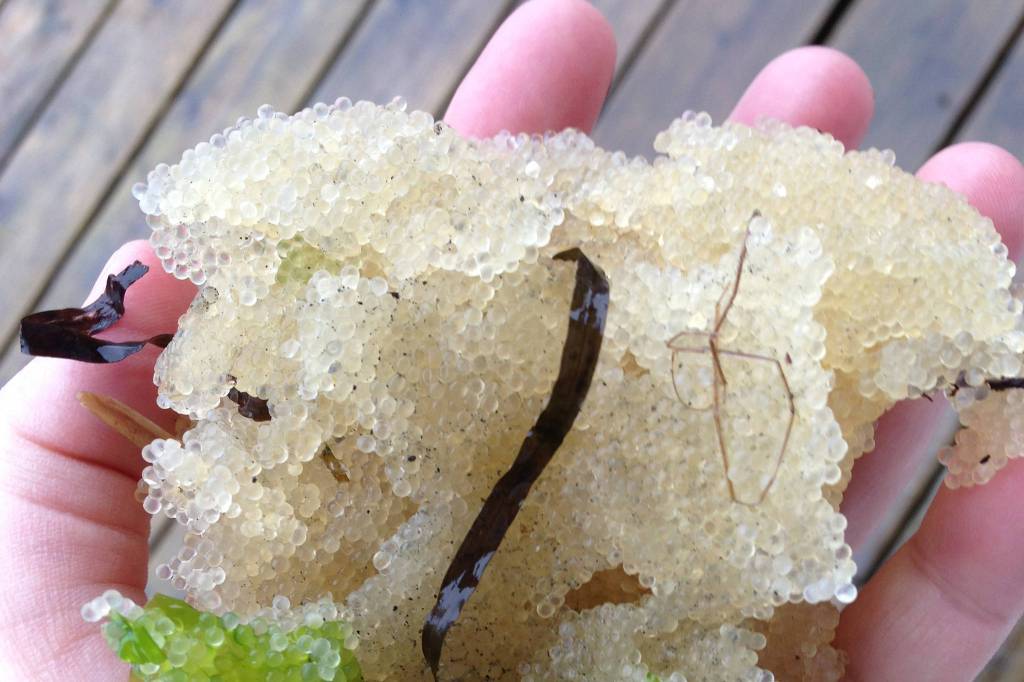
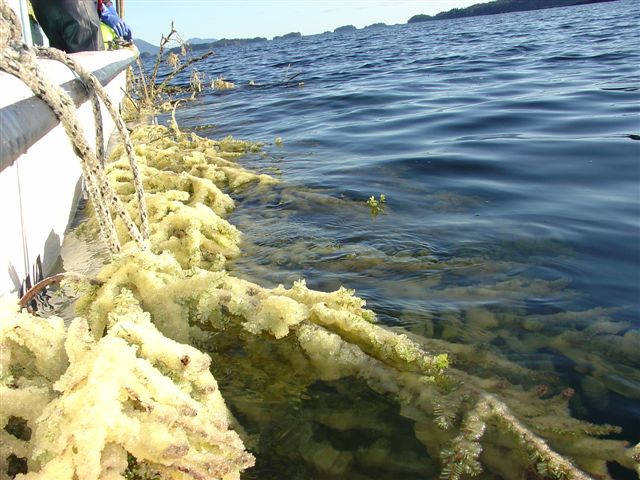
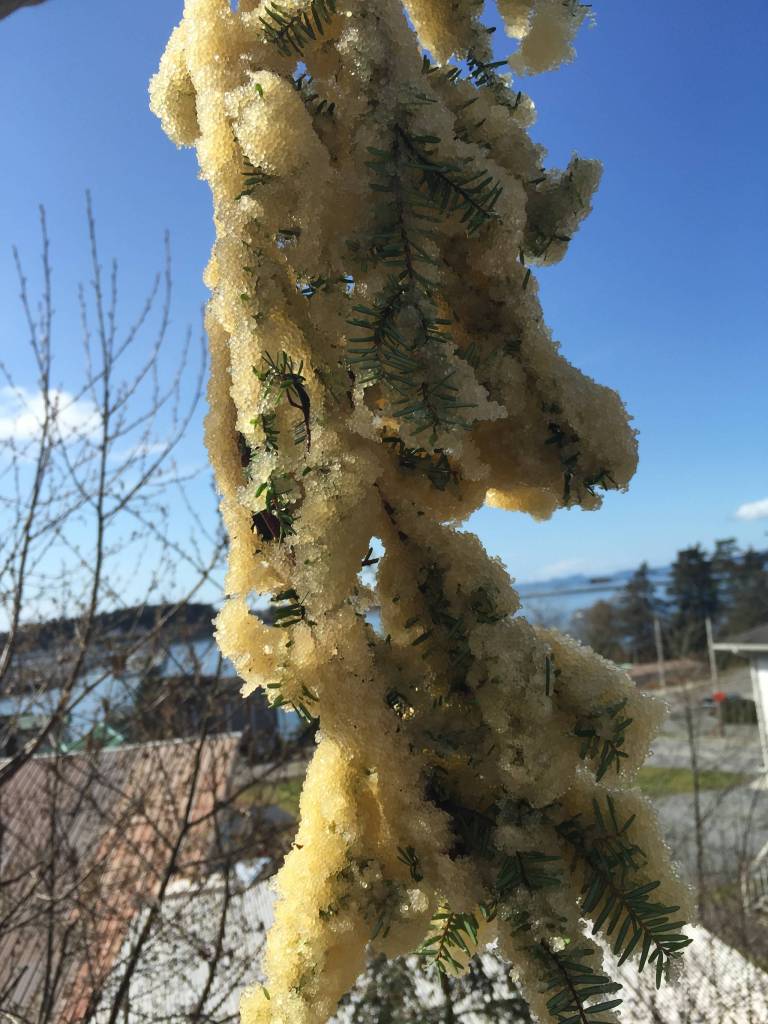
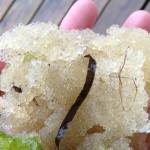


Down on the dock I say, “Gunalchéesh,” as my friend hands me a five-gallon bucket filled with herring eggs on hemlock branches. I take the bucket home and start a small pot of water boiling. I blanch a small batch of eggs and then eat them with soy sauce. It tastes like home. I am home when I eat herring eggs. Later, I take the herring eggs around to friends and elders. Sharing is an important Tlingit value and sharing herring eggs is a ritual connecting me to my people and place. This ritual is in danger of being lost.
Sadly, we are running out of time to save the herring. The herring fishery in Southeast Alaska is one of our “canaries in the cave,” meaning the herring decline is an early indicator of problems throughout our food web. One after another, 11 herring management areas in Southeast Alaska have been over-fished to near extinction. Extinction is a serious word. Historical herring fisheries once thrived at Kah Shakes/Cat Island, West Behm Canal, Ernest Sound, Hobart Bay, Seymour Canal, Chatham Strait, Hoonah Sound, Tenakee Inlet, Auke Bay, Lynn Canal, Icy Strait and Yakutat Bay. The Sitka Sac Roe Fishery is the last population of herring in Alaska to provide a significant commercial harvest and subsistence herring egg harvest. Despite these losses, Alaska Department of Fish and Game has ignored the traditional ecological science and testimonials of the Tlingit who’ve harvested in a sustainable way here for more than 10,000 years. Mismanagement has resulted in the decline of our herring population. This frightens me. Our elders tell us that life in Southeast is not possible without the herring. Why is this so hard for the state of Alaska to understand?
In 2018, the Sitka Sac Roe was closed by an emergency order. The commercial harvest was cut nearly 75 percent short of the 11,000 tons allotted by ADF&G. After mismanaging the 11 historical herring fishery locations into near extinction, the ADF&G has, once again, ignored the science and traditional knowledge: In 2019 they are increasing the catch by nearly 20 percent from 11,000 to 13,000 tons. This is ludicrous and shows a disregard for sustainable stewardship.
The Tlingit nation, including the Sitka Tribe of Alaska, and our culture bearers, have consistently communicated to the state of Alaska the importance of our herring, as well as the herring’s significance to all life that feeds on herring. It’s frustrating. For decades, we’ve been trying to get the State to listen and understand that the decline will affect the entire marine ecosystem here in Southeast Alaska. It’s already affecting us.
Tradition bearer Louise Brady says it best: “Herring are an essential part of the ecosystem. We need to put aside our differences and be able to be strong allies with each other. Over the last few years that is what we have been trying to do here in Sitka. Doesn’t matter if you are Alaska Native. Doesn’t matter if you are non-native, young, or old; whether you have been here 10,000 years, or since time immemorial. If you understand the importance of herring, everybody is invited to support the Sitka Tribe of Alaska and the continuing fight to save the Pacific Herring in Sitka Sound, in Sheet’ká.”
There’s more to herring than numbers, though. Our herring have huge spiritual, cultural and social significance, not only to the Tlingit, but to the many other Alaska Native tribes who we share our herring eggs with. Herring eggs are shared with people from as far away as Barrow to as close as our neighbors in Ketchikan. For the Tlingits who’ve moved away from home, it’s our soul food, keeping us connected to one another and to place. If you receive herring eggs from someone, you know you’re loved. People rely on the herring, but so do the whales, seals, sea lions, dolphins, porpoises, halibut, cod, salmon, sea gulls, eagles, numerous seabirds and more. Our Tlingit culture is directly connected to the land, animals and water. Who will we be when there are no more herring? Who will feed us? And who will feed the creatures who need it more than people? Coastal archaeologists say that herring are the central connection in our marine ecosystem and that herring are at the top of that ecosystem. From that herring connection, everything else flows, everything else is woven.
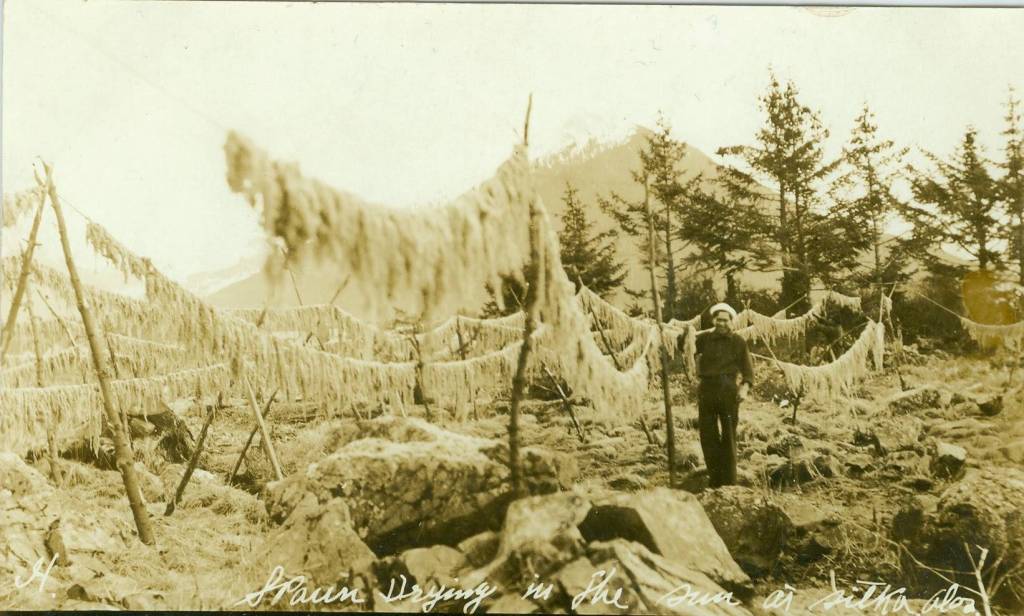
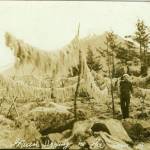
For thousands of years, the Sitka area was known for its abundant herring fishery. In the spring, more than a thousand Tlingits would travel to Sitka to harvest herring eggs. Families, clans, elders and children thrived and were renewed each spring. Culture was renewed. Beaches were lined with herring eggs drying in the air. You don’t survive in Alaska for more than 10,000 years without having strong knowledge of resource management. This year, I personally choose not to harvest any herring eggs for subsistence use. I want people and creatures to be able to enjoy herring and herring eggs for 10,000 more years. I realize this choice will not have a significant impact on the longevity of the herring population, but it’s evident the commercial fisheries are destroying the traditional harvesting of herring and herring eggs for locals. I am one of thousands of Tlingits who fear for the future of herring and everything that survives on herring.
If you Google “Soundcloud Herring Rocks,” the link will take you to audio testimonials dating back to 1997. You can listen to Robi Craig, Ron Dick, Naomi Kanosh, Walter Moy, Wade Martin, Ted Borbridge, Ralph Guthrie, Nels Lawson, Michelle Christensen, Louise Brady, Mim Bartels, Herman Kitka Sr, Jessie Johnnie, Jude Pate, James Nielsen, David Valuche, Jack Lorrigan, Fred Hope, Isabella Brady, Archie Nielsen, Jennifer Morales, and Marc Jacobs present their traditional ecological knowledge to ADF&G on herring.
The spiritual connection to our herring and herring eggs cannot be overstated or simplified. We and our herring are part of southeast Alaska’s life-web. We exist because the herring exists. In our Ku.éex’ our memorials for the dead, our herring eggs feed our ancestors, herring is beaded on our robes, woven in our stories, and carved in our masks, and etched on our silver bracelets. The herring dances with us and mourns with us. Herring is a celebration of our lives. The herring is our connection to everything we are dependent upon: our spirituality, our fish, our clan crests, our jobs, animals, our subsistence, our oral traditions, our fellow humans. There is a web connecting us like the threads of a woven robe. We want to continue wearing this herring robe for ten thousand more years.
Sitka Tribe of Alaska (STA), filed a petition for review to the Alaska Supreme Court on February 28th, 2019 seeking reversal of the decision issued by Judge Schally made on February 20th, 2019 denying its request for a preliminary injunction to stop the State Alaska Department of Fish and Game (ADFG) from opening the Sitka Sound commercial sac roe Fishery until regulations protecting the subsistence harvest are properly followed.
For all of you who support the longevity of the herring, you are invited to Sitka on April 6th at the ANB Hall for the Yaaw Ku.éex’, the Herring Potlatch. This feast honors and celebrates the herring, but it also celebrates our connections to one another, to all life. Hosted by the Kiks.ádi Point House & other Raven Clans. Gunalchéesh.
• Vivian Mork Yéilk’ writes the Planet Alaska column with her mother, Vivian Faith Prescott. Planet Alaska publishes every other week in the Capital City Weekly.