Planet Alaska: Fishing for winter kings
Published 10:30 pm Tuesday, February 23, 2021


By Vivian Faith Prescott
For the Capital City Weekly
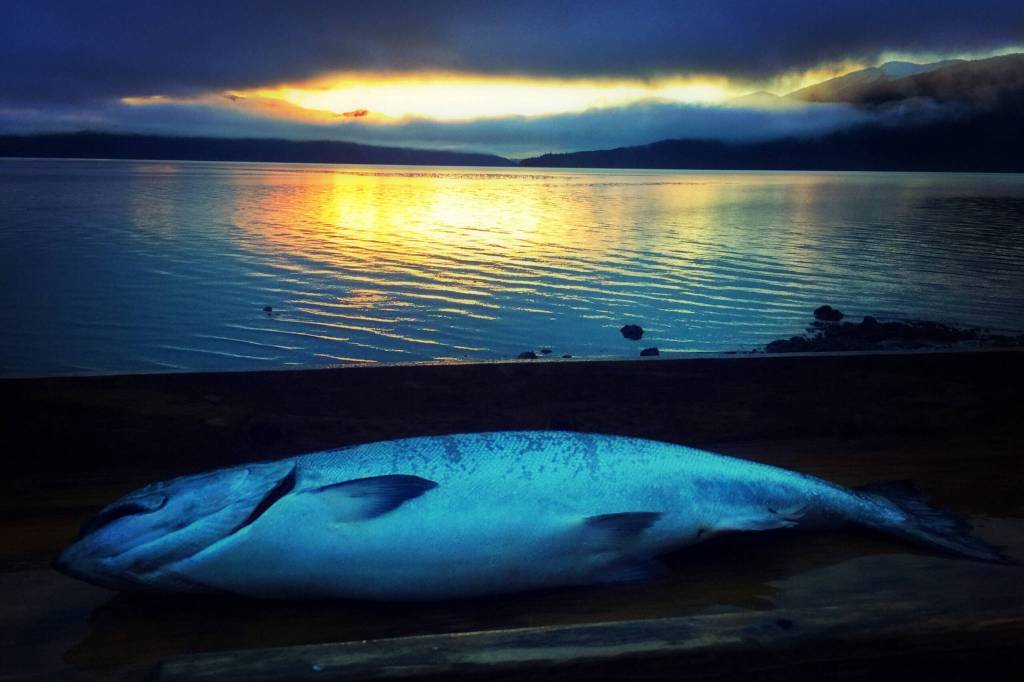
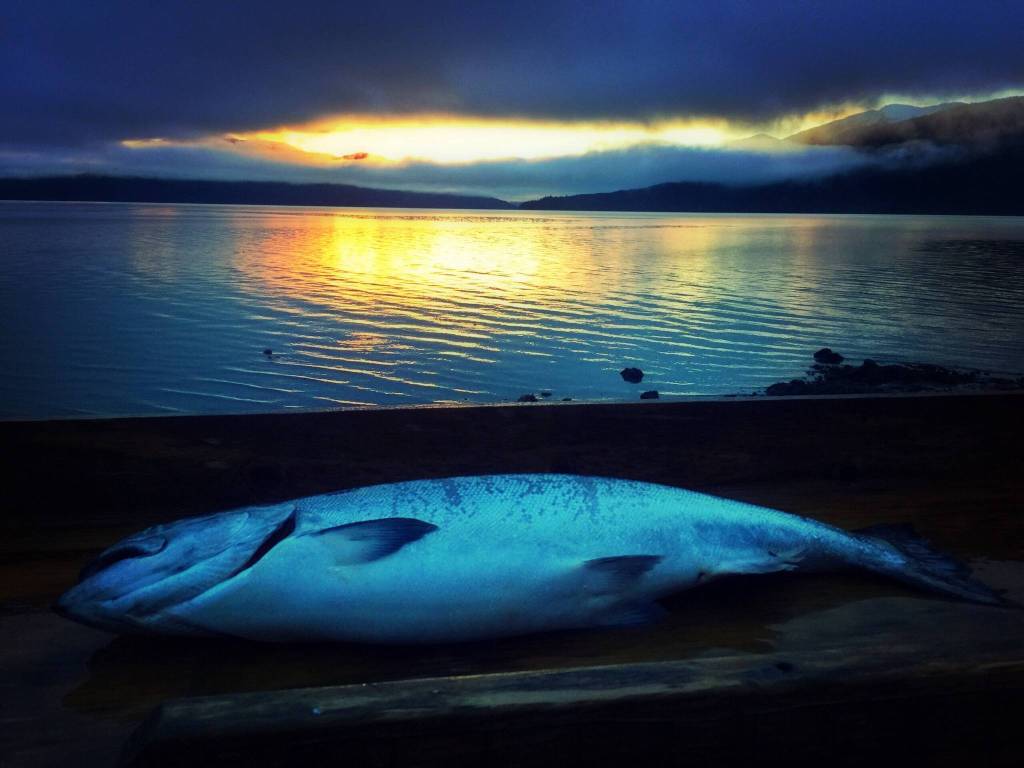
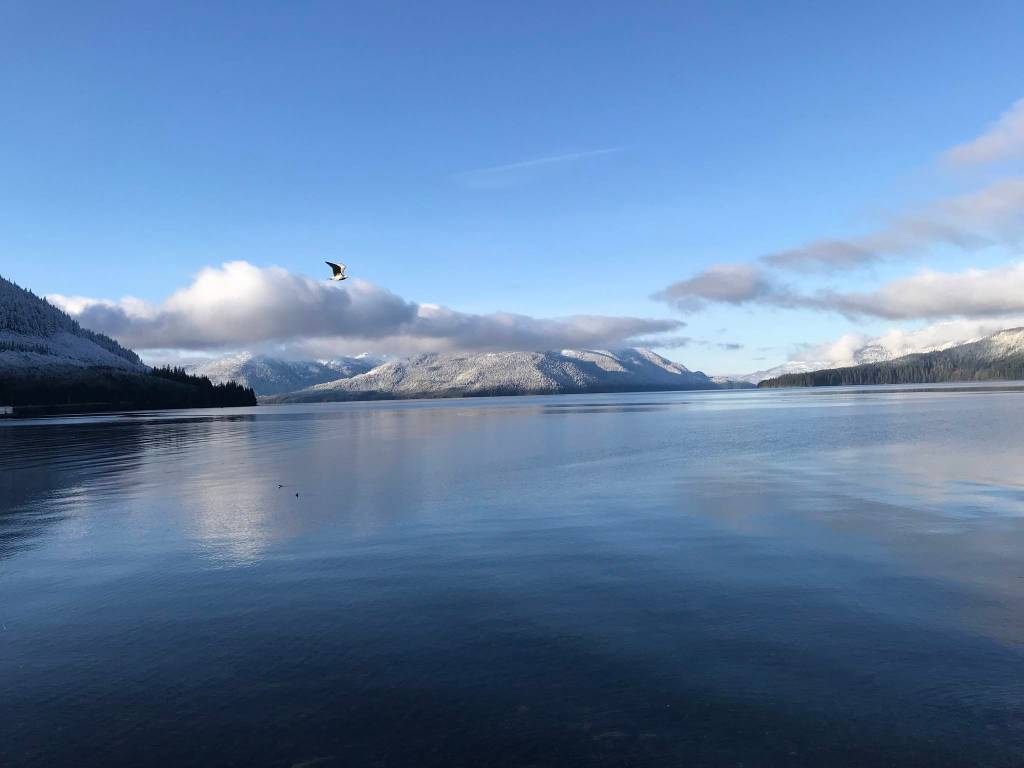
My dad works the pole and fights the winter king toward the boat where my husband nets the fish and heaves it over the gunwale. It’s a cloudy winter day, and we’ve been out a couple hours now trolling back-and-forth in front of the island. The fish is bonked, unhooked and put into the fish cooler. We bait up, and then my dad resumes his captain’s seat at the wheel, ready again for the next pass.
Salmon have always been a part of our lives, with the sixth generation of salmon fishermen coming up. Grandson Jonah loves to go fishing, but we haven’t been able to take him due to COVID-19. My children’s and grandchildren’s ancestors have been fishing for salmon in this area for thousands of years and salmon school up in our family’s Sámi, Finnish and Irish mythologies. Time is like an endless sea as we troll along slowly. I ask my dad to tell me a story about fishing for winter kings.
He begins:
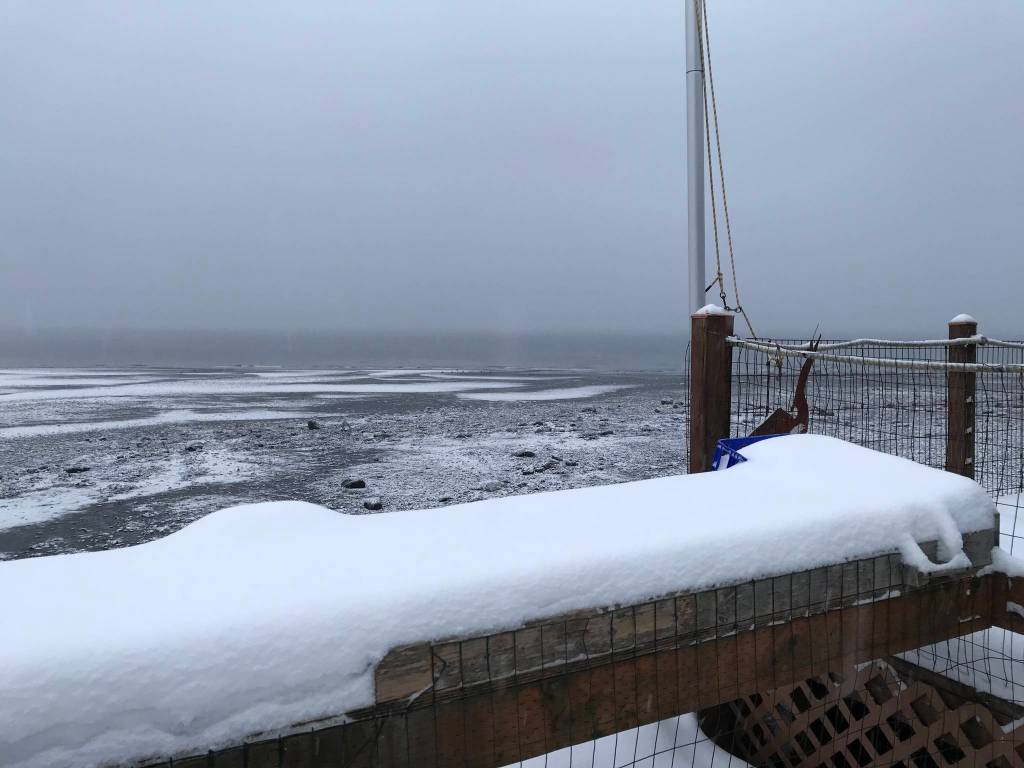
My father, your Grandpa Pressy, was out winter fishing in his usual spots and he started catching kings. It was a tough winter. I was a young man, probably early 1960s. He told me he loaded the boat down with fish. When the winter winds came up, the boat would ice over and list, so he only fished two hours in the morning.
My father said it was the largest school of fish he’d ever seen. Three of the kings were tagged ones, and he sent the tags in, and it turned out they were Snake River, Idaho, fish. They were up here feeding on the herring that wintered here. He ended up with a couple boat loads of king salmon. He said it was the largest school of kings he’d ever seen and he knew king salmon inside and out.
What were the salmon doing there in the winter? My dad explains that the salmon were after the herring that overwinter there:
Herring have certain spots they go to winter. There are a bunch that winter in different areas around Wrangell Island. The big tides in March is when the herring star to spawn nearby, which is about the same time as Sitka.
I imagine my Grandpa Pressy as I knew him. I was 13 years old when he died from a stroke. I see his boat, the Mercedes, iced over and listing.
Our boat rocks, and my husband yells, “Mickey, you’ve got a fish!” and my dad heads out onto the back deck. I scoot over to the Captain’s chair and steer. My dad reels in the fish, but it let’s loose, spitting the hook. The poles are rebaited and go back into the water again. My dad takes the wheel and we continue trolling. Another story flows out into the warm cabin, circling around father and daughter, and I know someday, a grandchild will hear this story too.
My dad says:
The Alaska Department of Fish and Game once came to my father in the 1950s and asked him if they could charter him and his boat for a winter king survey. He could keep half of the salmon and the others they’d measure, tag, and release. They put a tank on the back deck and they went to Bradfield Canal. He fished for three days and got 80 kings a day, so he kept 40 Kings for himself each day.
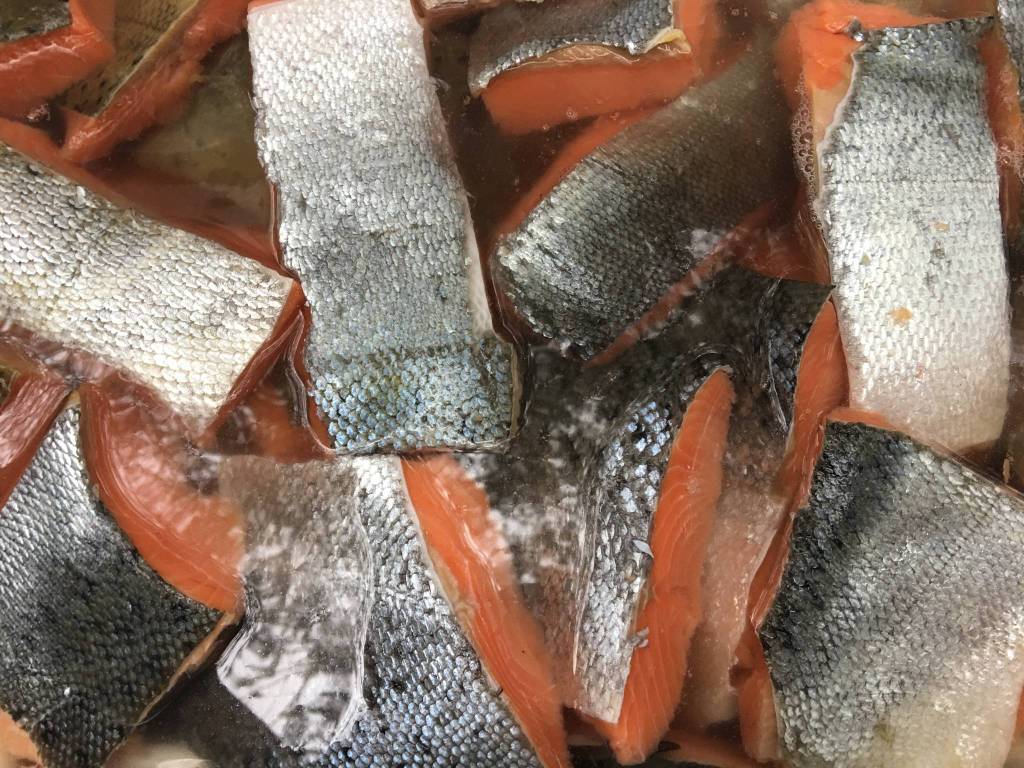
I love salmon stories. They’re part of the knowledge I’m learning and sharing. I not only want to know how to filet a salmon, I want to know why a winter king tastes so good and why a bright silver salmon makes me think of my grandfather, Grandpa Pressy. I know him more now than I did when he was alive. My dad will be 81 in a few months and I feel like time resembles a salmon cycle. It goes on and on and on. I ask my dad what’s different about winter king fishing. Is there anything I should know?
Tips for winter king fishing:
1. You have to find the herring because they’re scattered around in the winter.
2. You fish according to the weather. When it’s clear and cold the wind will come with the sunrise.
3. King salmon in the winter have soft mouths. They’re not feeding as much and their mouths are soft.
4. Winter kings are skittish.
5. When a winter king bites it’s fast and furious.
• Wrangell writer and artist Vivian Faith Prescott writes “Planet Alaska: Sharing our Stories” with her daughter, Vivian Mork Yéilk’. It appears twice per month in the Capital City Weekly.
6. My father (Grandpa Pressy) switched his commercial gear to wire leaders in the winter. He said the monofilaments left bubbles in the water and the winter kings don’t like that. Wire is more stealthy. Summer king fishing it doesn’t matter.
7. For commercial fishing, you don’t use as many flashers because it scares the winter kings. You use plugs and spoons. Plugs and spoons out fish flashers 2 to 1. A plug out fishes anything. A plug is an artificial lure that represents a herring and it’s made out of plastic or wood.
8. You get more white kings in the winter. (The salmon are also deeper, feeding on the krill.)
9. Sport fishing: I use herring pegs and a two-hook rig to hold the shape of the herring. Winter kings like that.
My dad turns the boat slowly around when we reach the bluffs. He trolls along the bluffs
out toward the deeper water, making a bigger circle this time. He tells another story about his experience with winter kings:
My father told me about a time in February where the winter kings come through but they’re spawners. He didn’t know where they were heading. I thought it was a baloney story. He said they showed up like clockwork every winter. One year, I was fishing by myself on the Irish in February, and I happened to be near that area. I was only catching an occasional winter king. I remembered my father said when the winter kings came it was like flipping a switch. So, I went over there, and I put the gear out and Bam! Bam! Nice big spawners about 25 pounds on average. They weren’t Bradfield or Sitkine River or Aaron’s Crick kings. You can tell by the colors and shapes where the kings come from. I was fishing four poles and the fish were wild, crossing over and tying up the lines. I loaded the boat with fish in a couple days and unloaded those in town and went back and loaded up again.
Now, I consider maybe we should head down to that area my grandfather and my dad fished and see if those salmon do return there “like clockwork,” but it’s already late in the day and it’s going to get dark soon. I imagine all those winter kings in the fish hold. I imagine fish scales and slime and blood and all those good images that imprint on a family of fishermen. I have no idea where those winter kings were going and my dad doesn’t either. Some mysteries should be solved so my dad and I start planning for next year, being there at the right moment. But then again this is the right moment too, trolling for winter kings in front of town, talking salmon stories with my dad.
Some locations and details have been changed to protect our salmon fishing secrets. Also, please check your area’s salmon regulations before sport or commercial fishing as rules and regulations may be different or may have changed over the years.
• Wrangell writer and artist Vivian Faith Prescott writes “Planet Alaska: Sharing our Stories” with her daughter, Vivian Mork Yéilk’. It appears twice per month in the Capital City Weekly.