New study digs into alternatives for Greens Creek Mine expansion
Published 9:30 pm Wednesday, March 22, 2023
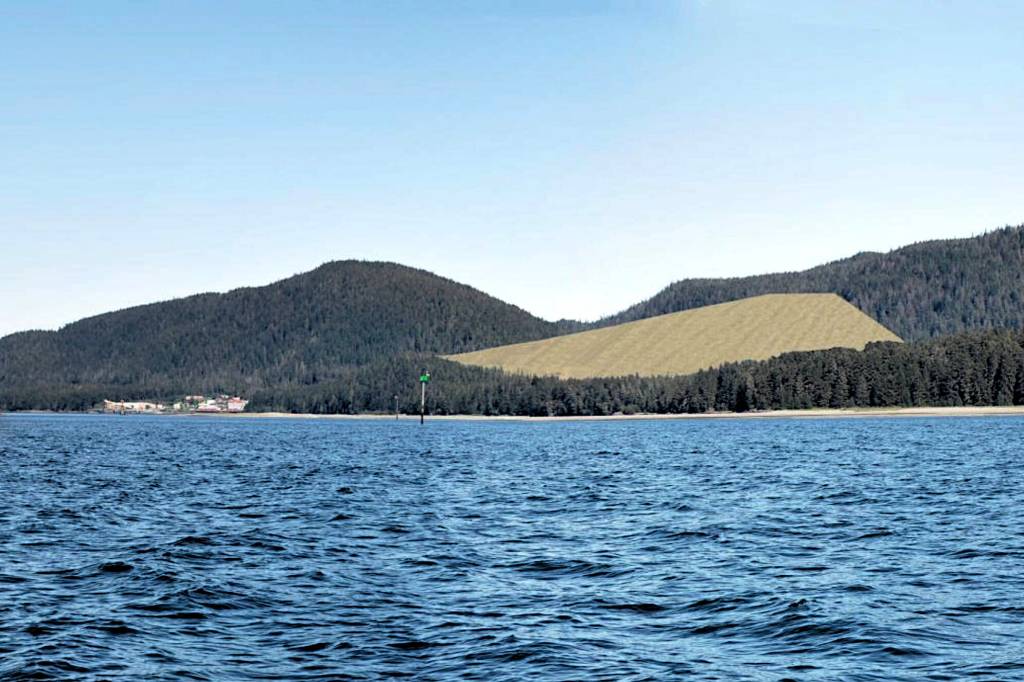
A new report proposing four alternatives for the Hecla Greens Creek Mine North Extension Project was released Thursday and is accepting public comment between Friday and May 8.
Hecla is seeking to extend production of the 34-year-old precious metals mine at the northern end of Admiralty Island National Monument beyond 2031, including expanding its 8.5-million-cubic yard disposal facility to hold up to an additional five million cubic yards of tailings and waste rock storage. Alternatives in the new report would extend the mine’s life up to 40 years.
While the mine is considered an economic cornerstone for surrounding communities, local critics say it is causing drastically higher lead levels and other ecosystem impacts.
The new 556-page report, officially known as the Draft Supplemental Environmental Impact Statement for the proposed project, specifies three development options and one no-action alternative, according to Francis Sherman, acting forest supervisor for the Tongass region of the U.S. Forest Service, in a cover letter for the study.
“The alternatives range from continuing the current mining activities and tailings disposal until 2025 when the current Tailings Disposal Facility would reach functional capacity (No Action) to three action alternatives — each offering a slightly different approach to tailings expansion under various configurations and locations,” Sherman wrote. “At this point I have elected to not pick a preferred alternative. You should review all alternatives since any alternative or combination of alternatives or a new alternative within the range of these alternatives may be selected in my final decision for this project.”
The Greens Creek Mine, which is unique by operating inside a national monument, is the nation’s largest silver producer, according to a U.S. Forest Service. Hecla employed 439 people in 2019 to operate the facilities, not including contract workers, who earned more than $70 million in wages and benefits.
The mine produced 9.7 million ounces of silver and reported $335.1 million in sales in 2022, according to Hecla. The mine also produced about 48,000 ounces of gold, 19,500 tons of lead and 52,300 tons of zinc.
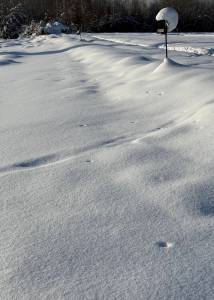
Allegations about the mine’s environmental impacts, including “serious concerns about fugitive dust from the tailings pile (that) have been raised for over a decade,” were expressed in a news release Thursday issued by the Southeast Alaska Conservation Council urging people to participate in the public comment process.
“We believe that there are significant environmental impacts from the Greens Creek Mine that need to be dealt with now in this DSEIS,” Aaron Brakel, Inside Passage water program manager for SEACC, said in a prepared statement. “We will be taking a hard look to ensure the United States Forest Service’s public process deals with the full impacts of the mine on the Admiralty Island National Monument and on Hawk Inlet.”
Hecla has disputed the claims from SEACC and other groups over the years, including the claim about lead levels reported in a recently released study commissioned by the nonprofit Friends of Admiralty Island.
“All the sampling that has been done, some for over 40 years, show that while there has been variability and spikes over time, lead levels are effectively the same, or even lower, than before the mine started operating,” Mike Satre, Hecla’s director of government affairs, said recently after the group’s study was released.
“Ultimately, this is a group of people who are not happy with our existence on Admiralty Island, and they keep finding ways to make allegations that we are having an undue impact — and that’s frankly not the case.”
The four alternative in the revised draft EIS published Thursday are:
— No action: Hecla continues disposal of tailings as authorized in a decade-old agreement, using the existing disposal facility that may reach capacity as soon as 2025. Environmental reclamation of the disposal facility would occur after pr0duction ends.
— Hecla’s proposed expansion: Includes 2.3 acres of new surface disturbance in area and extends the life of mine by 12 to 18 years. The expansion of the disposal facility would also require the relocation or development of new infrastructure, but use existing facilities and infrastructure where possible to limit new surface disturbance.
— B-Road West Relocation 1: Includes 2.9 acres of new surface disturbance and extends the life of mine by 17 to 28 years. Relocates a portion of a road to the west side of the extended tailings stack instead of the east side, seeking to avoid design challenges and remove elevation-related constraints in the design of the tailings stack. Under this alternative, the tailings stack would extend to the eastern edge of the existing lease boundary and provide more storage capacity than Hecla’s existing proposal.
— B-Road West Relocation 2: Includes 6.8 acres of new surface disturbance and extends the life of the mine by 27 to 40 years. Also relocating a portion of the existing road to the west side instead of the east, but the the tailings stack would extend beyond the eastern edge of the existing lease and thus provide substantially more storage capacity the other B-Road alternative.
An open house is scheduled from 6-8 p.m. April 12 at the Juneau Ranger District at 8510 Mendenhall Loop Road, where project information will be displayed and staff available to answer questions. A similar event in Angoon, due to its close proximity to the mine, during the comment period is being considered.
Written comments can be submitted online at www.fs.usda.gov/project/?project=57306, and faxed to (907) 586-8808. They can also be mailed to the Juneau Ranger District (“Attention: North Extension Project”), 8510 Mendenhall Loop Road, Juneau, AK, 99801.
• Contact reporter Mark Sabbatini at mark.sabbatini@juneauempire.com