Locals protesting $8K payment for temporary flood barriers told rejection may endanger permanent fix
Published 9:30 pm Monday, November 18, 2024


Call it a situation of dammed if you do, damned if you don’t.
Residents unhappy about a proposal requiring them to pay nearly $8,000 each to have military-grade flood barriers installed on their properties as part of a semipermanent levee were told at a Monday night Assembly meeting rejecting the barriers would likely put a longer-term solution to annual glacial outburst floods at risk.
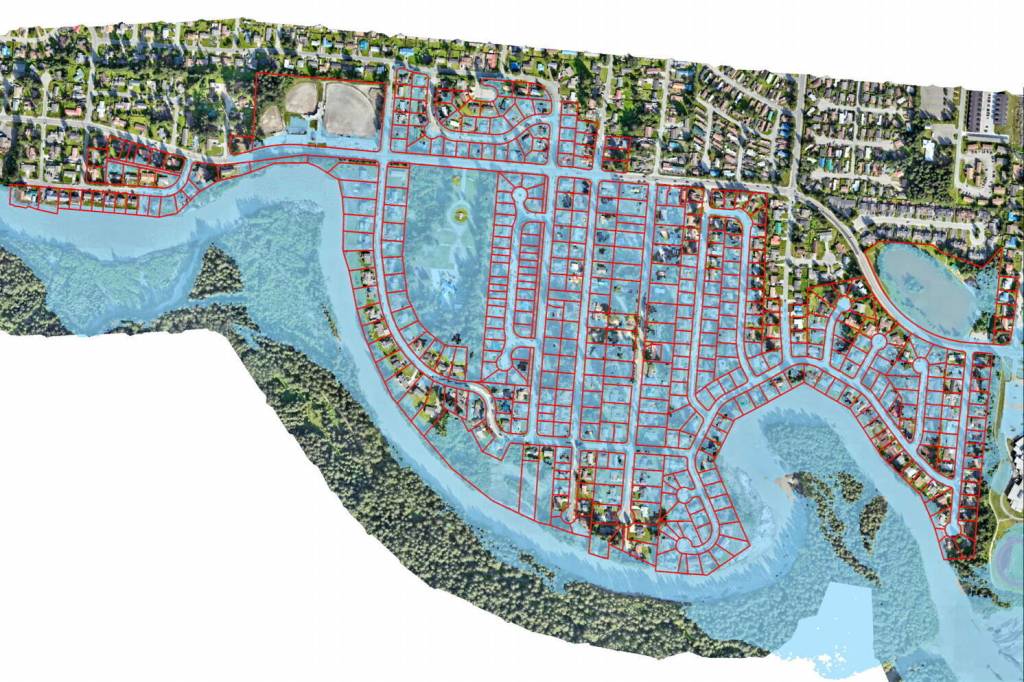
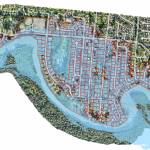
The U.S Army Corps of Engineers is offering enough Hesco barriers to build a four-mile levee — expected to be in place for about a decade — along one side of the Mendenhall River where more than 300 homes have been damaged by record floods the past two years, City Manager Katie Koester said during the meeting. The Corps and other federal government entities would also be largely responsible for studying and funding a permanent fix such as a drainage tunnel through a mountain.
But “we’ve spent a tremendous amount of political capital” with the Corps and Alaska’s congressional delegation to obtain the barriers and other federal support, Koester said. She is proposing a Local Improvement District (LID) where owners of 466 properties at risk of flooding will pay half of the $7.83 million installation cost of the barriers and the city the other half.
Establishing that LID is vital to “demonstrate that there’s local buy-in and local support” for the plan, Koester said.
“We will certainly have spent that political capital if we fail to move forward with this project and I have concerns about what that might mean for the future climate that we expect,” she said, referring to expert predictions that annual floods from Suicide Basin are likely to continue at property-threatening levels without long-term mitigation.
Residents of the 466 properties would pay $7,972 apiece, and have up to 10 years to pay it at a 4.78% interest rate under Koester’s proposal. Four of the property owners would be required to pay an additional $50,000 for riverbank armoring that will provide additional protection against erosion.
Assembly members, while expressing concern about not forcing barriers upon residents against their will, endorsed Koester’s recommendation to officially consider an ordinance establishing the LID at meetings in December and February, with potential approval coming during the latter after considering public input. If approved then, the ordinance would take effect in March and residents in the affected area would have one month to file legal challenges to being on the LID’s assessment roll.
Objections to the plan for reasons including the cost to property owners and doubts about the reliability of the Hesco barriers were expressed by several people living in the area affected by recent flooding.
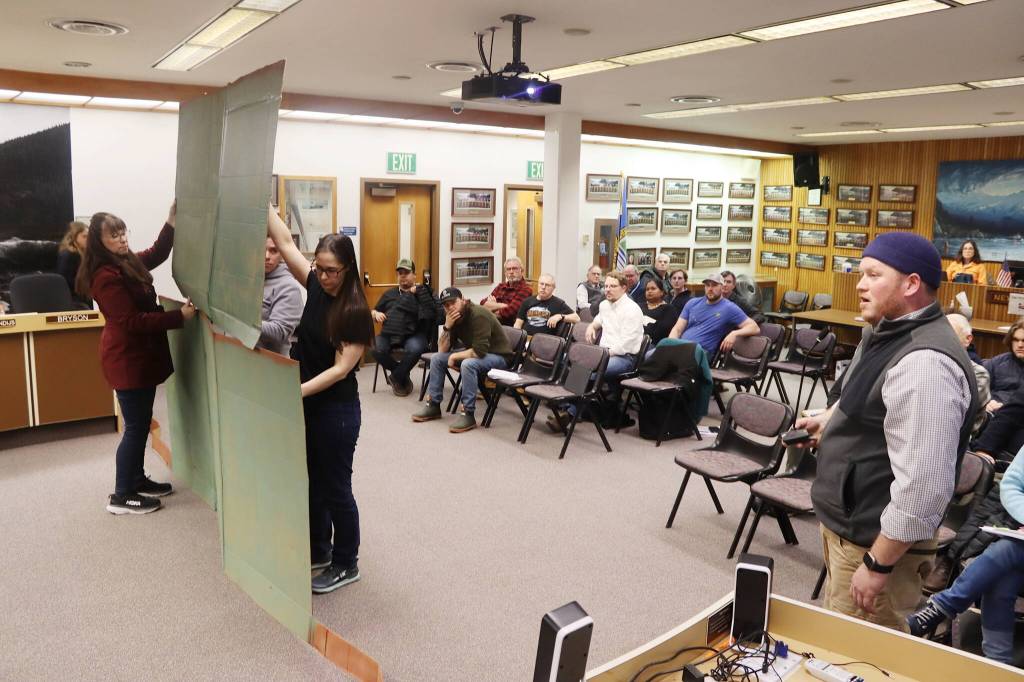
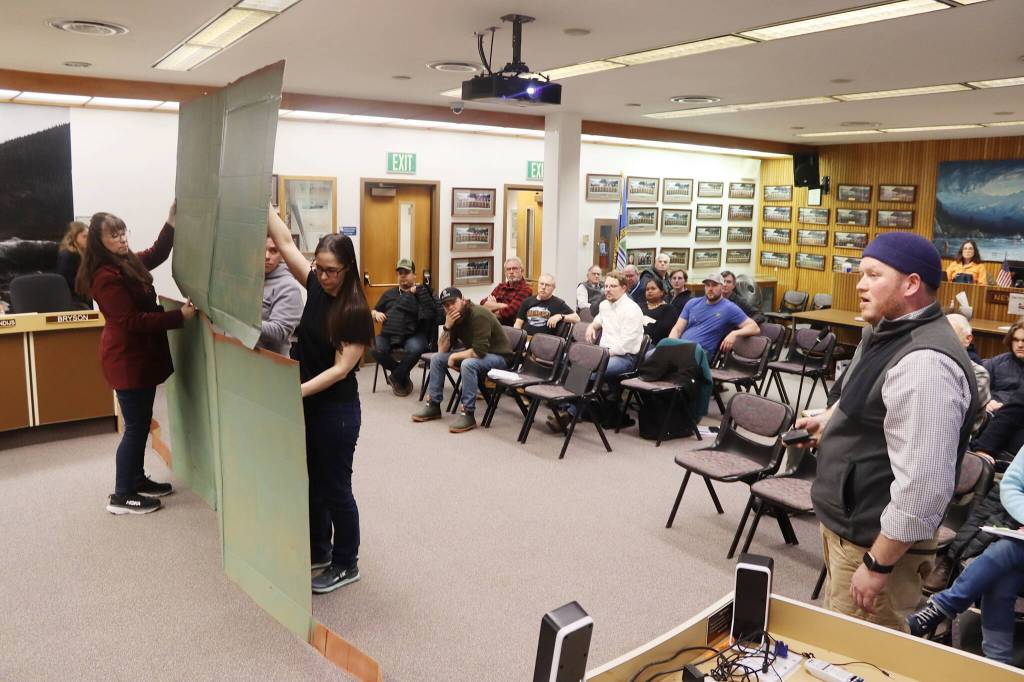
Noah Teshner, with the help of a few companions, used large sheets of cardboard to present the size of the Hesco barriers — which are three feet square at the base and four feet high — as well as the five-foot space needed on both sides for a “roadway” to support them.
“I urge you to consider not just the size and footprint of these Hesco barriers, but also our ability to successfully set them up and build them prior to the next glacial outburst flood,” he said.
The geotextile fabric barriers, which are generally filled with sand or other material after being placed, don’t have bottoms that can hold that fill in place if flood waters erode the ground beneath them, Teshner said. Similar concerns about other scenarios where barriers could be breached were expressed Monday and have been brought up at previous public meetings.
Keith Anderson, a consultant with Flood Defense Group who previously worked for Hesco for 17 years, has stated in previous meetings that the interlocking construction of the barriers means a breach would likely be small and easily repaired, and there has never been a situation he’s aware of where a large number of barriers were lost during a flood. Corps of Engineers officials have also emphasized they are aware of no other practical protective measure that can be in place by next year’s flood season and provide a safeguard long enough to implement a permanent fix.
Some Assembly members asked about other possible ways of funding the barrier installation, such as the Affordable Housing Fund, and suggested an alternative in particular should be considered for homeowners facing the $50,000 riverbank armoring cost. But Mayor Beth Weldon, referring to the hardship she experienced when her husband was killed in a motorcycle accident last summer, said people affected by the flood should realize people in Juneau “not directly involved with that personal tragedy” aren’t likely going to be supportive of paying the entire cost of installing the levee.
“They’re gonna be ugly, they’re gonna be big for the property owners on the river, no one’s going to deny that,” she said. “Whether you take the match (payments) and divide it by 10 years — you’re paying about $70 a month — and people just have to decide if that gives them the ability to sleep at night, trying to hopefully not worry about flooding because, as the Assembly said, if this fails then there won’t be any barriers. And we’ve said over and over again no matter how many community groups here in town are pushing projects it’s going to take several years to get a project that’s a more permanent solution.”
• Contact Mark Sabbatini at mark.sabbatini@juneauempire.com or (907) 957-2306.