Getting in July explorations while the sun shined
Published 2:30 am Tuesday, August 4, 2020

By Mary F. Willson
For the Juneau Empire
Toward the end of July, I hiked with some friends around Cropley Lake at Eaglecrest. It was the first full day of sunshine after something like three weeks of nearly continuous rain and cool temperatures. We reveled in the dazzling light and warmth. Some of us hoped we’d find yellow fireweed and sky-blue gentians blooming on the soggy back side of the lake, but apparently we were too early. Maybe the unseasonable weather slowed them down.
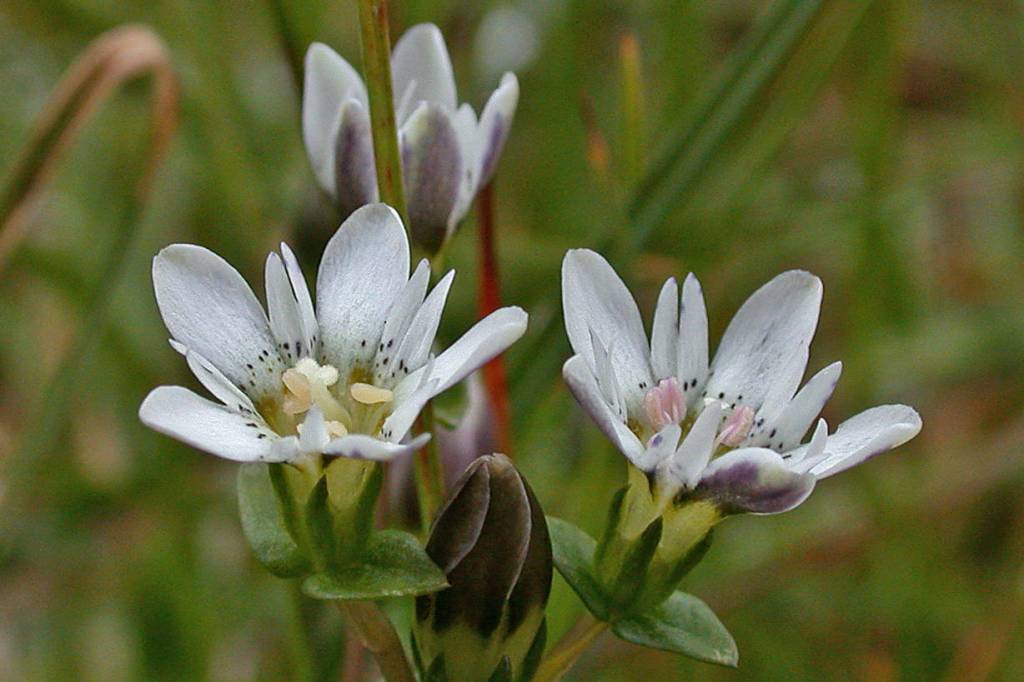
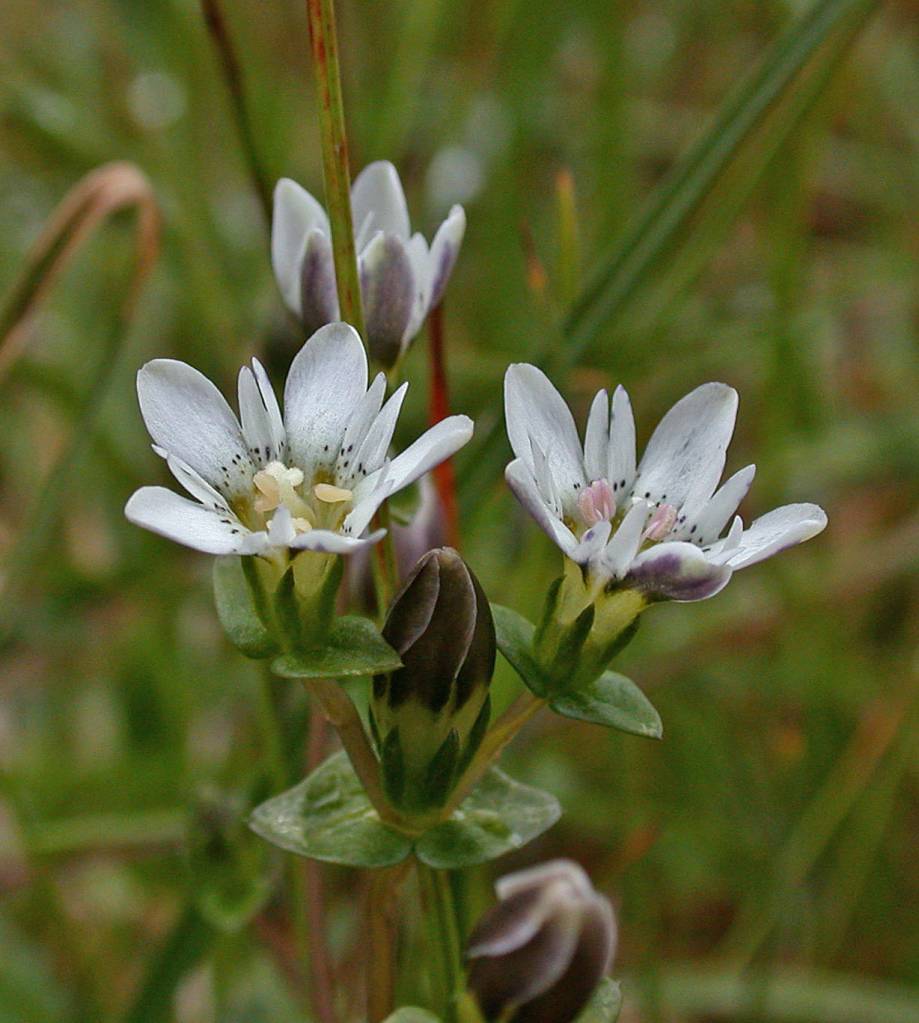
But there were other things to be seen. Millions of swamp gentians starred the meadows, interspersed with the tiny pink dots of bog cranberry. As we approached the elevation of the lake, there were clear signs of late spring: the last of the spring violets and Jeffrey’s shooting star, and swathes of bog laurel.
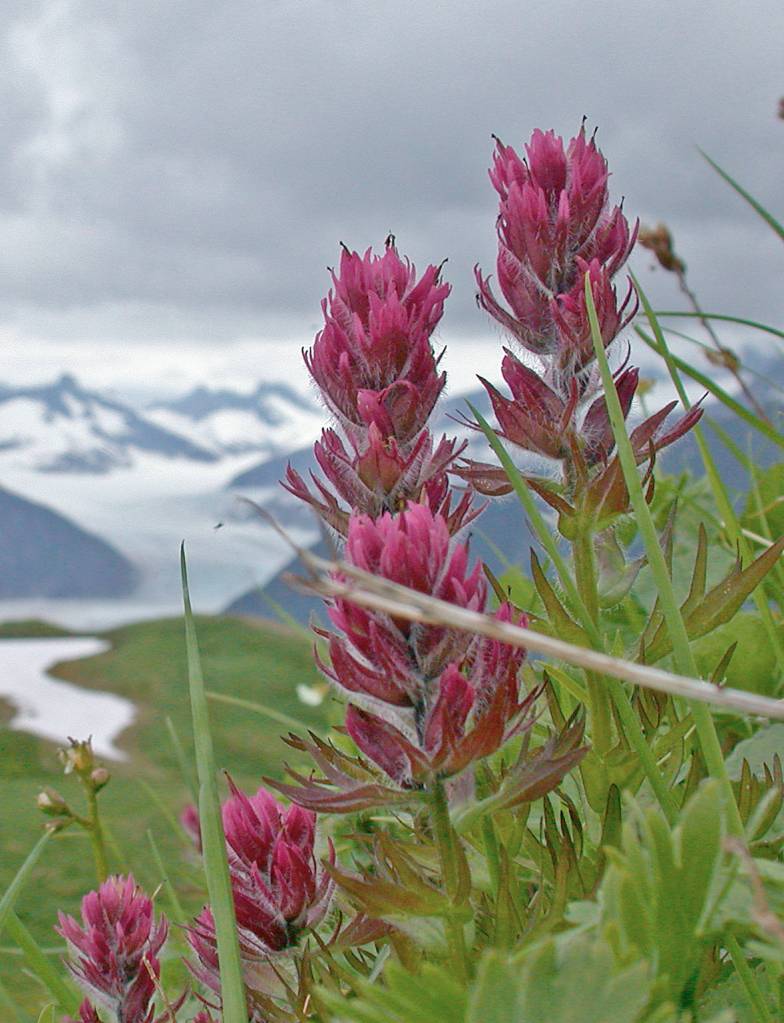
Late spring mingled with summer: little iris-like Tofieldia and leatherleaf saxifrage, with inflorescences of varied shades of red, were common; grass of Parnassus was about to bloom. Pink paintbrush prefers this habitat to the lower-elevation gravelly flats occupied by the yellow paintbrush species. The big treat was seeing dozens upon dozens of butterworts in bloom. Sometimes called ‘bog violets’ for a supposed resemblance to true violets, butterworts are not related to violets at all — although they both may have purple flowers. Butterworts are insectivorous, catching bugs on their flattened, sticky, yellowish leaves that are not a bit like violet leaves.
[How tails help birds get ahead]
Earlier in the month, during all that rain, we made a special trip to Cowee Meadow. On a previous visit, we’d finally discovered what the female inflorescences of sweetgale looked like when they were in flower, and now the goal was seeing the mature form. By luck, our timing was good—the female inflorescences made slim, brown, cone-like structures, whose scales opened up to release seeds. By traipsing around for a while in the meadows, we also found more female plants than we’d found earlier, so females aren’t quite as rare as we thought — although still vastly outnumbered by male plants.
We happened to look at some fireweed flowers. I don’t know what attracted our attention, but when we looked attentively, we noticed that many of the flowers had no visible female parts. Fireweed flowers are both male and female, with a set of stamens with pollen-bearing anthers around a conspicuous, white, four-branched stigma for receipt of pollen. But some of these flowers seemed to be missing the big stigma.
After much closer attention, we found that the female structure was there, but small and drooping and apparently with the four branches both short and closed up tightly, as if they’d never fully matured. Fireweed inflorescences bloom from the bottom up, so older flowers are borne below younger ones, with unopened buds up at the top. But age of flower did not account for the development of female parts; both young and old flowers often lacked fully developed stigmas.
What is going on here? Is this just something I should have noticed long ago? Or could the long spell of un-summery weather have made the plants decide not to even try to receive pollen and make seeds?
Everywhere we wandered in the meadows, we found recent bear digs, usually for angelica roots. In some cases, the edible root-nodules of chocolate lily (rice-root) had been incidentally dug up too, but were left uneaten.
Back in the middle of July, on the Crow Point/Boy Scout trail, I watched a hummingbird visiting yellow paintbrush. It dipped in, then floated — or so it seemed — high into the air before coming back down to try another flower in the same patch. It tried a few flowers but soon zipped away, as if to seek better foraging elsewhere.
Red fruits of baneberry decorated the sides of the berm edging the goose flats. The felwort that we often see later in summer wasn’t blooming yet. But the wide meadow between the trail and the river was covered with white arctic daisies (Chrysanthemum arcticum), not to be confused with the weedy, alien white daisies on the roadsides.
A search for Salicornia in the big goose flat was futile for what seemed like a long time. But finally we struck the right microhabitat and found a lot of it — a tasty snack! This highly salt-tolerant annual plant is known as glasswort or saltwort or sea asparagus, among other common names.
• Mary F. Willson is a retired professor of ecology. “On The Trails” is a weekly column that appears every Wednesday.