Frustrations run high as many testify in support of ferry system
Published 12:48 pm Tuesday, March 12, 2019
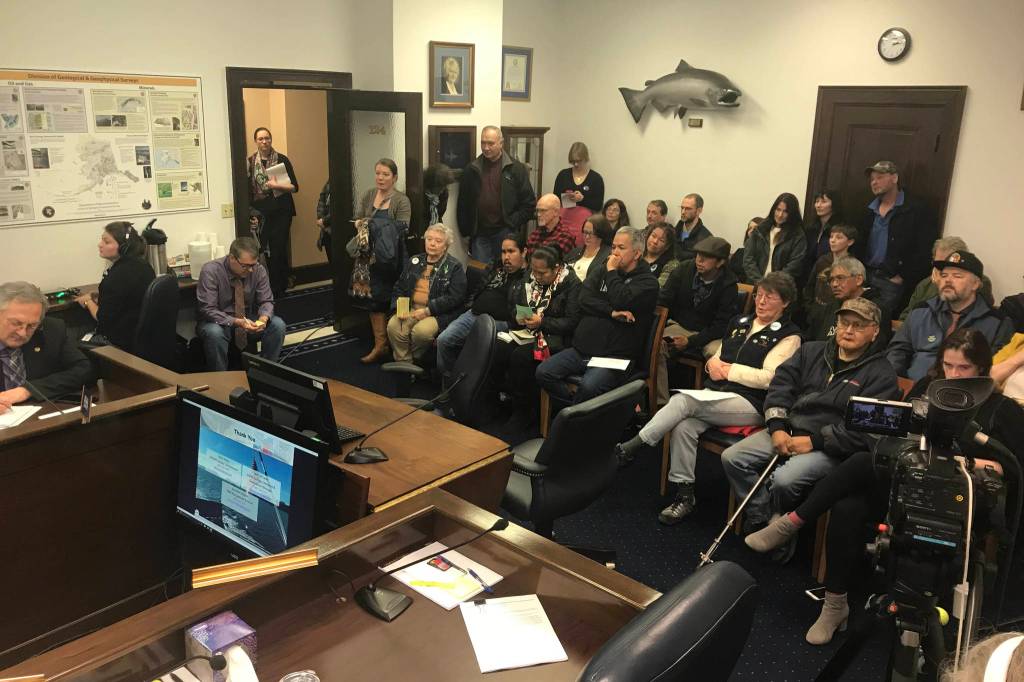
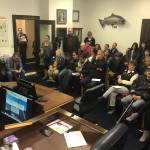
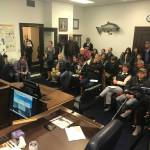
A lot of people are concerned about the ferries. In fact, a record amount.
The public set a record today for the most callers an Alaska legislative committee meeting has received since they started tracking the number of participants, according to a Facebook post by the co-chair of the committee, Rep. Louise Stutes, R-Kodiak. All were concerned about recent proposals by the governor to cut funding for the ferry service.
The House Transportation and Public Facilities committee had 283 people call in Tuesday to testify about the Alaska Marine Highway System, not to mention the more than 50 in the hearing room in Juneau and out the halls.
Testimonies all shared the same sentiment: Do not cut funding or service to the ferry system. Many said they supported cutting the Permanent Fund Dividend or implementing an income tax.
“You can give me a larger dividend, however, it’s going to cost me more to get groceries and other services in my community, which means I’m going to pay more in the long run,” said one caller from Kodiak. “I want to say, please, at least keep some sort of ferry service here…I understand that everybody has to cut back, but please give us something.”
[Unions prep to push back against proposed ferry cuts]
The ferry system is facing a $97 million cut — 75 percent of its budget — under Gov. Mike Dunleavy’s proposed budget for fiscal year 2020. The ferry system may only operate seasonally instead of year-round. The AMHS has stopped taking reservations after Oct. 1.
Many noted a decrease in ridership has come as a result of decrease in service, not the other way around. Whenever this was mentioned, the audience clapped. Other testimonies noted the importance of the ferry system for transporting large goods, such as appliances and cars, all things that cannot be transported in small planes that service rural areas.
“The guaranteed freight service is vital to the infrastructure repairs that we are undertaking,” said Pelican Mayor Walt Weller. “The ferry is our economic highway and necessary for rebuilding our community and businesses. Pelican supports the continuation of the existing ferry service for all of Southeast Alaska.”
Someone else said that crippling the ferry system would strengthen monopolies held by freight services like Lynden Transport. Other points from testimonies included that the ferry system is the only ground transportation connecting Alaska to the rest of the state without going through a foreign country, and that that could be a safety issue if it were eliminated. One person worried that the federal government might be able to claw back money that helped pay for any vessels or assets purchased with federal dollars that aren’t being used by the state.
“My husband and I, we’ve been traveling for medical use,” Joyce Frank from Angoon said. “I would like (you) to really hear our voices, not just for our community, but for Kake, Alaska…the ferry system is really good for our communities.”
Dunleavy’s office said that the main goal of the proposed budget cuts to the AMHS focus on the report that is forthcoming by a yet-to-be-hired consultant.
“I understand the desire to lock in specifics,” said Matt Shuckerow, Dunleavy’s press secretary. “I think the governor’s approach is to really look at the challenge ahead of us. There are groups that acknowledge that our AMHS and the amount we spend is a very big challenge. The governor’s really coming into this and saying a change is needed. We await this study and to examine all variables here, but those decisions are ultimately going to have to be made. His big message is that the legislature needs to being looking at their own plans and being upfront with what they want to see. So far the governor is really the only one who’s put something forward.”
There was frustration among people in the crowd when the meeting ended, because the committee didn’t get through all of the testimony. In the beginning of the hearing, Stutes lowered the time allowed for testimony from two minutes to one minute, causing general frustration among people who prepared testimony in advance using a two minute time frame.
They were set to reconvene at 5:30 p.m. to take testimony later in the evening. Public testimony will be heard on this topic again on Thursday from 1:30 to 3 p.m.
• Contact reporter Mollie Barnes at mbarnes@juneauempire.com or 523-2228.