From education wins to financial losses, mood swings were many at the Capitol, local delegation says
Published 9:30 pm Tuesday, May 27, 2025


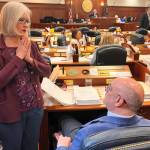

From soaring highs of a historic education funding increase to the stomach-churning depths of a looming financial black hole, this year’s legislative session had plenty of mood swings, according to the three members of Juneau’s all-Democratic delegation.
What’s more, such reactions are likely to continue later this month when Gov. Mike Dunleavy signs a budget for next year that could ensure or eliminate those extra education funds — and many other things. The same mood may also prevail when the two-year session resumes next January as lawmakers take on a range of still-unresolved issues ranging from reviving pensions for public employees to whether the fiscal situation is bad a Permanent Fund Dividend isn’t possible.
The local delegation is scheduled to discuss this year’s session and what’s yet to come during a town hall at 5:30 p.m. Monday in the commons area of Juneau-Douglas High School: Yadaa.at Kalé.
This year’s session adjourned on May 20, one day earlier than its legal deadline, with legislative leaders agreeing a primary reason was the state’s shortage of cash — brought on largely by a significant drop in oil prices since January — meant there was no money for deal-making battles during the final days.
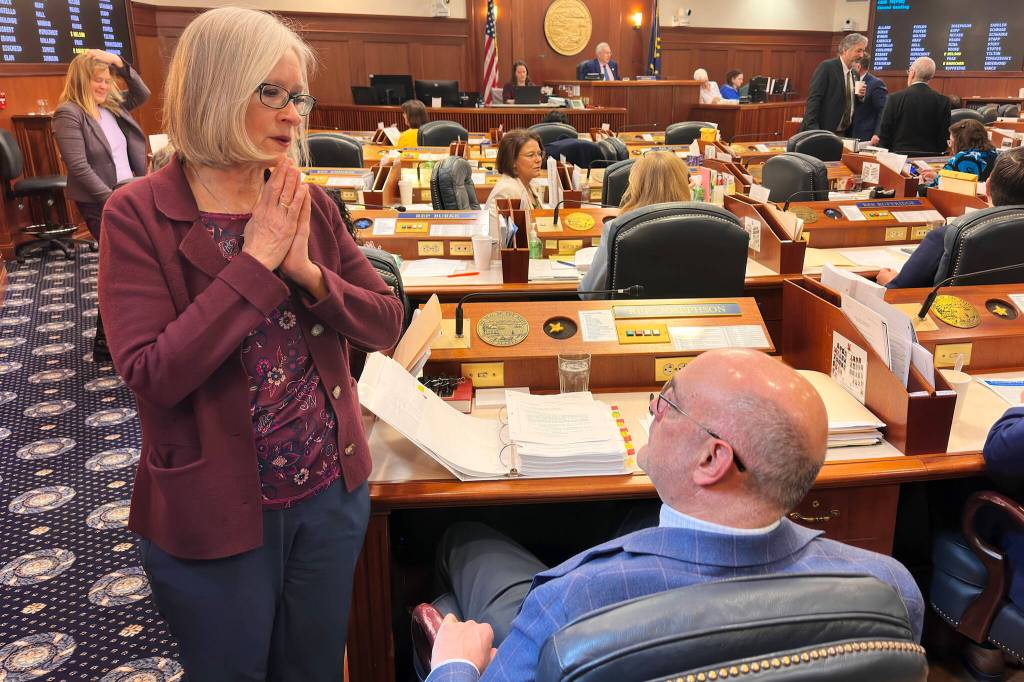
Rep. Sara Hannan, a fourth-term Juneau delegation member on the House Finance Committee, said another reason for the earlier adjournment is the Democratic-led majority House opted not to engage in prolonged battles on measures so contentious that would stall progress on other items. Among the items shelved until next year was an election reform bill that Republicans in the minority were ready to filibuster during floor debate.
“When we organized as a caucus one of the agreements…was we weren’t going to put things up and on the floor that were divisive amongst our caucus,” she said. “And amongst that was sort of the idea of that we’re not pushing things to the floor that are going to take three days of political battles.”
The House was closely divided with a 21-19 majority-minority split. Matters were somewhat easier in the Senate due to a 14-member bipartisan majority and six-member all-Republican minority caucus. But the Senate majority did preside over sweeping cuts to the budget passed by the House that had a deficit of hundreds of millions of dollars — with one of the cuts being reducing PFDs to $1,000 rather than the estimated $1,400 in the House version.
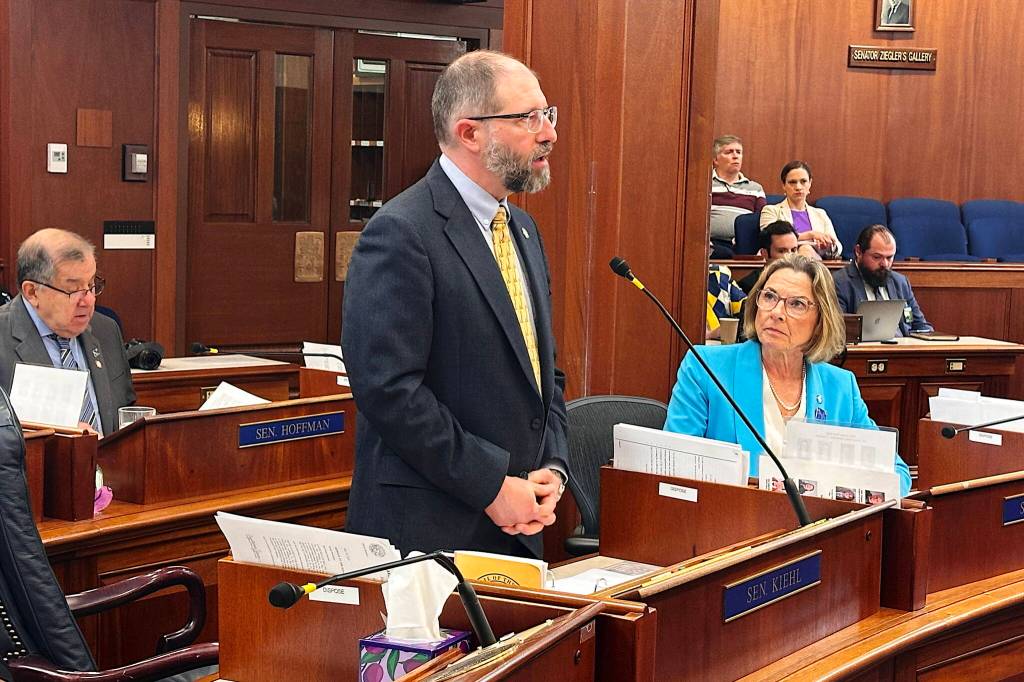
“The House and Senate majorities had very different visions of what that budget needed to look like, and we proposed revenue and most of it they didn’t, ” said Sen. Jesse Kiehl, a Juneau member of the Senate Finance Committee. “And in the end I think we got the really time-critical bills passed. We got an adequate budget — I won’t call it a great budget.”
One of the biggest achievements and most contentious debates was the passage of a bill with a $700 increase to the statutory $5,960 Base Student Allocation for public schools, along with a range of policy changes. Republican Gov. Mike Dunleavy vetoed the bill just before the session ended and the Legislature, on the day they adjournment, voted to override the veto by a 46-14 vote.
The increase was a top priority of many state lawmakers who, echoing education advocates, said funding has been relatively flat since 2011 and inflation has thus seriously eroded the actual dollars being provided to districts. However, Dunleavy in vetoing the bill said he believes poor test scores and other flaws in Alaska’s schools are due to policy shortcomings and was seeking changes such as more support for charter schools and allowing students to enroll in any district statewide.
The governor can again nix the extra education funds by using a line-item veto in the budget — which Kiehl and other lawmakers said would be unprecedented — and it would take 45 of 60 legislators to override such a veto. Furthermore, unless legislators agree to meet in special session the soonest a budget override could occur would be when they reconvene in January, months after the start of the school year.
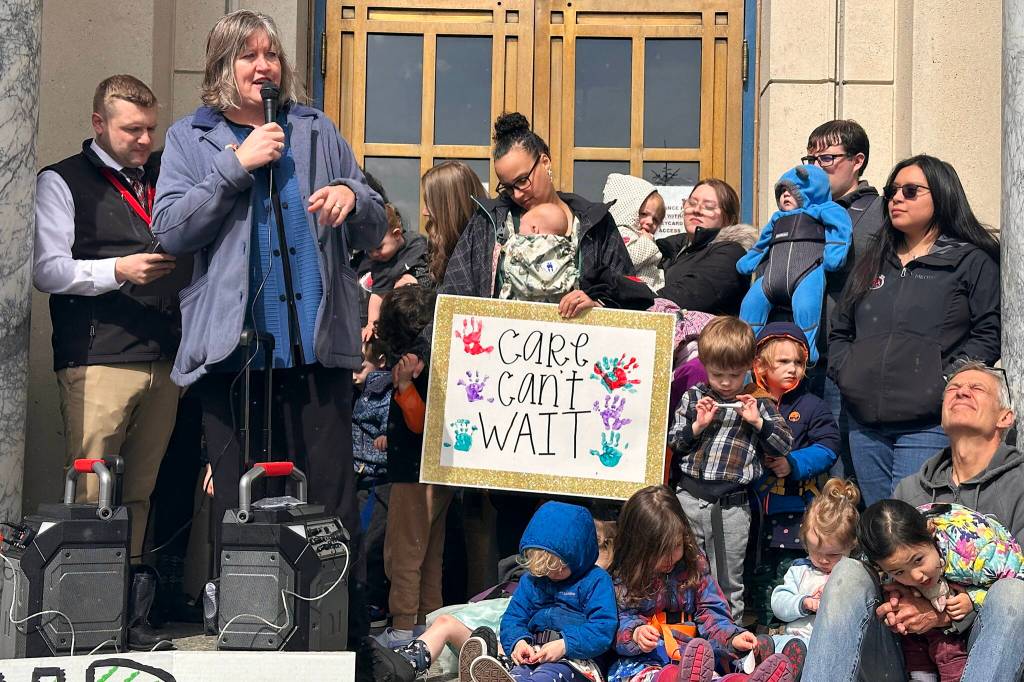
Rep. Andi Story, a fourth-term Juneau legislator who co-chairs the House Education Committee, said the education funding debate was among the areas where she felt mood swings this session, ending on a high note with the override vote. However, “I think what’s hard right now is knowing that districts still don’t have that certainty.”
“The message that we’re hearing from our constituents — not just in Juneau, but across the state — is they want to stabilize their public schools and they want this investment in them,” she said. “And 46 of us have really heard that from our constituents. And so I think the the best thing that the governor could do right now is give the districts certainty by saying ‘Hey, I’m going to let that bill go forward.’”
Another item high on the list for all three local delegation members was the welfare of public employees — unsurprising given Juneau’s large number of government workers — with the House’s passage of a bill reviving a traditional pension system for such workers cited as a highlight. Pensions were replaced by a 401(k)-style program in 2006 and supporters of the pension bill say the lack of competitive benefits is one of the reasons the state has had a high worker vacancy rate in recent years.
While similar bills have fallen short in recent years, Hannan said she is optimistic about the current proposal’s chances of getting through the Senate next year since it passed a bill with many similar provisions last year.
“I think getting a pension bill moved out of the House was a big deal,” she said. “It didn’t make it all the way across, but again, we believe that to be a two-year bill and we’ve not been able to get one through the House since I’ve been in.”
Other budget items cited as wins by the delegation include restoration of funds for child advocacy centers that work with abuse/neglect victims, extra student transportation funding as part of the education bill, and funding two additional investigators for missing and murdered Indigenous people cases.
Something the delegation was denied was funding for capital improvement projects in their individual districts — which happened for all 60 members of the Legislature due to the state’s tight finances. Hannan said that means no funds for project’s Juneau’s municipal government put on a priority list such as furthering development of its Pederson Hill Subdivision, but some statewide projects involving facilities in Juneau will get funds.
“Pending vetoes from the governor, there will still be construction projects in Juneau because we have a lot of state facilities,” she said. “So statewide maintenance of state buildings, some money for maintenance of the university system, and we know that they’ve got a couple priority projects in the university maintenance bucket that are out at UAS, so we’ll still see some of that those dollars going into our district, but they aren’t things specifically for our district.”
Conversely, the Senate as part of its budget cuts clawed back $37 million in funds set aside in 2017 and 2018 for the dormant Juneau Access Project (a.k.a. building a road and/or grading ferry access to Skagway and Haines), which Kiehl said was one of the battles he fought and lost.
“I did all I could on that one to try and keep it her because it again in past years it had come out of Juneau’s share” of capital budget funds, he said.
A policy win cited by the delegation members was a bill carried by Kiehl allowing low-interest loans to remain available to commercial fishers, one of the industries currently struggling most in Southeast Alaska. Senate Bill 156 provides one-time state funding to the Commercial Fishing and Agriculture Bank, which had lost its ability to provide many such loans due to the downturn.
In addition to the state’s financial struggles, turmoil from Trump administration actions such as mass firings and funding cuts had profound impacts at the Alaska State Capitol — and lawmakers say many more challenges may be ahead during the coming year. Hannan said that could include local concerns such preparing for and responding to another glacial outburst flood in one similar to the record ones that destroyed homes the past two years occurs.
“Will all the money that the city of Juneau needs for our HESCO barriers really come through from the EPA — or if not from the EPA, then from the Corps of Engineers — and if it doesn’t what does that mean for the demand on the state to help repair that?” she asked.
• Contact Mark Sabbatini at mark.sabbatini@juneauempire.com or (907) 957-2306.