Challenges spawning rapidly in salmon lawsuit
Published 9:30 pm Wednesday, March 1, 2023


Local leaders and state legislators this week joined the growing opposition to a lawsuit that could halt Southeast Alaska’s commercial troll fisheries due to what a conservation group in Washington state calls inadequate federal management of the fisheries’ impacts on salmon runs in that state and endangered killer whales that depend on them as a food source.
Opposition in Alaska has increased significantly since a magistrate in Washington issued a favorable preliminary ruling in December to Wild Fish Conservancy in the lawsuit it filed in 2019, which seeks the shutdown Southeast Alaska Chinook (king) salmon troll fisheries until their impact on the Southern Resident Killer Whales is assessed. The proposed order would essentially shut down Southeast Alaska fisheries for 10 months of the year, making them economically nonviable for many trollers, and a final ruling is pending.
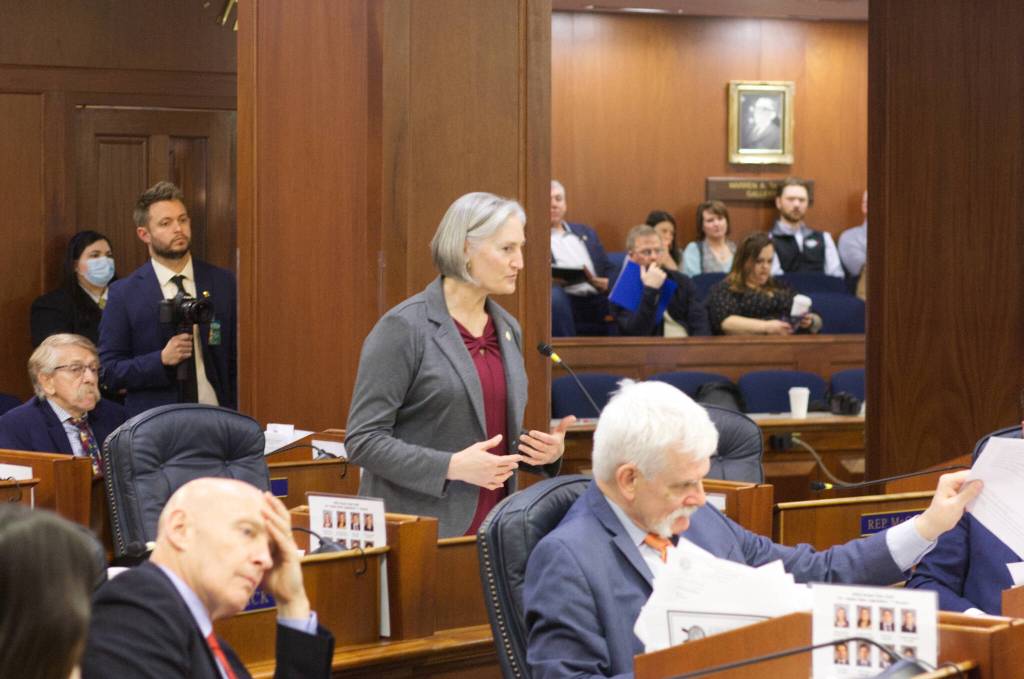
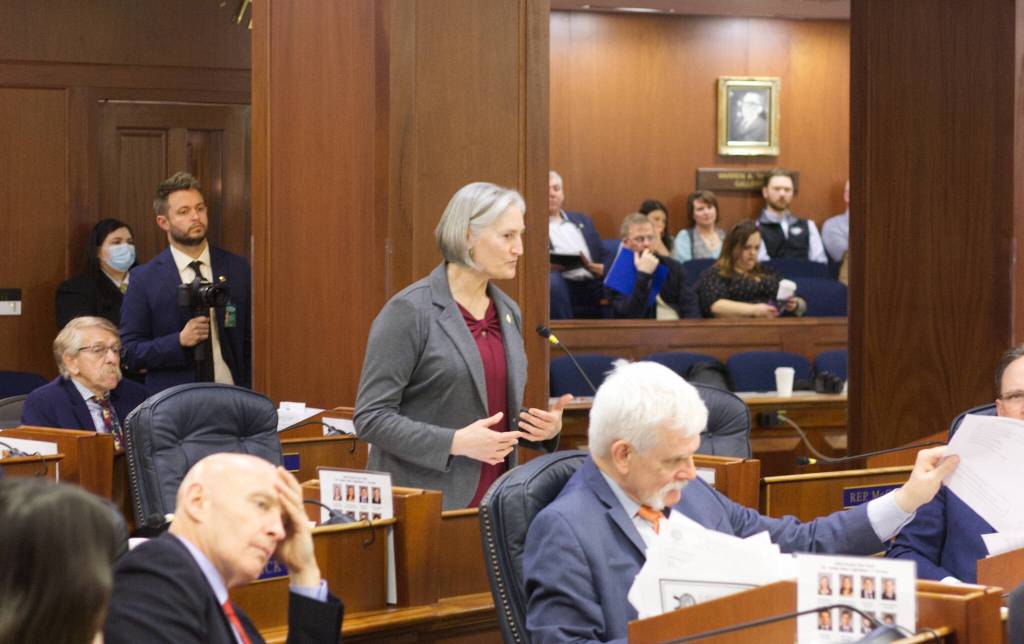
Resolutions supporting the Southeast fisheries were approved by the Juneau Assembly on Monday and the Alaska State House on Wednesday, adding to numerous such resolutions already passed by other affected communities such as Ketchikan, Sitka and Petersburg. The House resolution was introduced by Rep. Rebecca Himschoot, a Sitka independent, who said the lawsuit threatens “a catastrophic stoppage, an unnecessary stoppage.”
“These are incredibly important fisheries to our regions, and I think that’s evidenced by the folks who have pulled together and supported the trollers,” she said. “They initially took on this lawsuit themselves, which is not easy to do when each of those vessels is a small business.”
Himschoot said the lawsuit affects about 1,500 people working in the fisheries and about $85 million in economic activity.
The resolution — asking the National Marine Fisheries Service, Alaska Department of Fish and Game and the state’s congressional delegation to take measures to keep the fisheries operating — passed 35-1 with both of Juneau’s House members voting in favor. The no vote was cast by Rep. David Eastman, a Wasilla Republican who regularly dissents on otherwise consensus measures and argued it’s improper for the Legislature to take such an action on pending litigation.
Juneau Assembly members unanimously approved a similar resolution introduced by Carole Triem, which states there are about 580 fishing and seafood processing jobs representing about $27.4 million in wages in the city.
The lawsuit asserts decades of commercial overfishing in Alaska is threatening the survival and recovery prospects for Washington’s salmon and whale populations. Wild Fish Conservancy claims 97% of Chinook harvested by Southeast Alaska troll fisheries originate from rivers in British Columbia, Washington and Oregon, and “are harvested prematurely, before they can migrate back into southern waters where the Southern Resident killer whales encounter them.”
“I want to emphasize that Alaskan fishers are not to blame for NOAA’s chronic mismanagement of this fishery, and we are sympathetic to the burden this decision may pose on Southeast Alaskan communities,” Emma Helverson, executive director of Wild Fish Conservancy, said in a prepared statement when the magistrate’s December ruling was issued.
Many of the group’s factual allegations are challenged in the resolution approved by the House. The resolution claims 2% to 3% of Alaska’s total catch is from Puget Sound and lower Columbia River stocks and that numerous studies have identified habitat loss and industrial activities in Puget Sound as factors negatively affecting killer whales there.
Opposition to the lawsuit isn’t being expressed only by Alaskan stakeholders. Kat Murphy, owner of Katfish Salmon Company based in Port Townsend, Washington, is causing what a local newspaper this week called a stir for an open letter calling the litigation misguided.
“Vilifying a small-boat salmon fishery over 1,000 miles away does nothing to address any of the threats face in their own habitat,” Murphy’s letter states. “Puget Sound’s habitat degradation, urbanization, pollution, industrial toxins, vessel traffic (incessant whale watching tours day-after-day being primary in this), and human-caused disturbances, are the primary factors limiting the recovery.”
For some Alaska politicians the lawsuit is part of what they see as a larger battle against the federal government and environmental entities. Gov. Mike Dunleavy has stated an appeal will be filed by the state, which has joined the lawsuit, in the event of an unfavorable ruling.
“This resolution is much more than just about Southeast Alaska fisheries,” said Rep. Sarah Vance, a Homer Republican, said during Wednesday’s floor session. “It’s much more than just about the troll fisheries. This is just another attack on our state sovereignty and our ability to defend ourselves, our ability to maintain our resources and our way of life.”
Himschoot said she also sees a broader implication in “a dangerous precedent (of) managing a fishery by lawsuit.”
“If it’s successful we will see more such cases ahead for all of our fisheries,” she said.
• Contact reporter Mark Sabbatini at mark.sabbatini@juneauempire.com