SalmonState: ‘Alaska’s untold secret’ — The dividends paid by Southeast Alaska’s ‘Seabank’
Published 10:30 pm Wednesday, January 12, 2022




By Mary Catharine Martin
Wild salmon. Clean water. Clean air. Carbon storage. Climate change mitigation. Tourism, commercial fisheries — and billions of dollars in economic benefit.
Since 2018, the Alaska Sustainability Fisheries Trust has quietly published reports that upend managers’ historical ways of thinking about Southeast Alaska and the Tongass National Forest — and redefine priorities for management now and in the future. ASFT’s annual “SeaBank” report outlines and quantifies the benefits flowing from Southeast Alaska’ trees, estuaries, creeks, lakes, rivers, coasts, ocean and more. These benefits include goods and services that annually “renew,” provided that the natural capital on which they depend is never “overdrawn.”
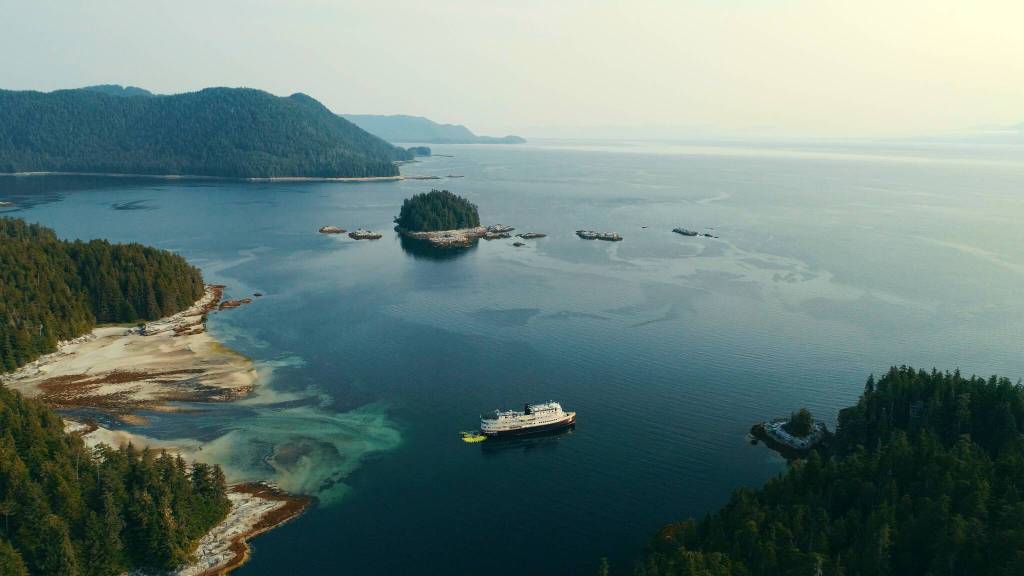
In the language of the SeaBank, Southeast Alaska’s natural capital produces economic outputs from the seafood and visitor products industries worth several billion dollars a year to Southeast Alaska residents, non-resident workers, visitors and society as a whole. Ecosystem services provide this stream of income as natural capital. It’s a complex interplay of plant and animal communities and their environment that interact as one functional unit – SeaBank.
“The 2020 SeaBank report underscores that Southeast Alaska is one of the most productive ecosystems in the world,” said Alaska Sustainable Fisheries Trust founder and Sitka-based commercial fisherman Linda Behnken. “Southeast Alaska’s natural capital produces economic outputs worth several billion dollars a year, every year, to Southeast residents, visitors and society as a whole. This coastal ecosystem is also incredibly vulnerable to a rapidly warming climate and industrial activities that diminish the productivity of the underlying natural capital.”
ASFT released its 2020 SeaBank report at the end of last year. While the 129-page report contains a treasure trove of information to anyone looking to ensure the long-term profitability of the region, some key findings are:
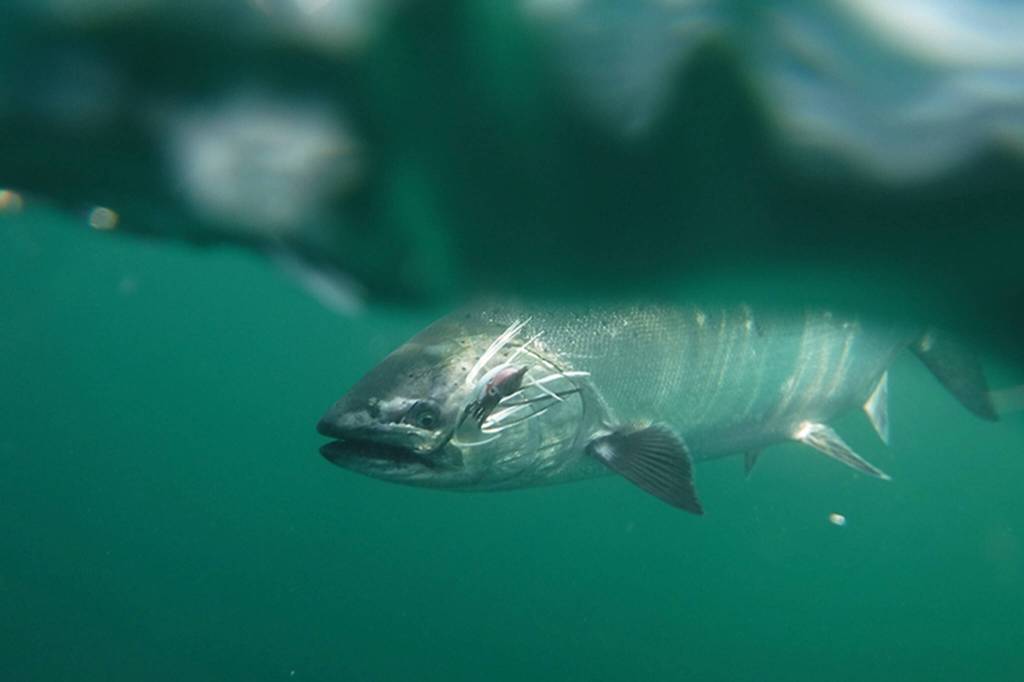
— SeaBank’s annual “fish dividend” makes Southeast Alaska, along with Bristol Bay, one of two top ecosystems for commercial salmon production.
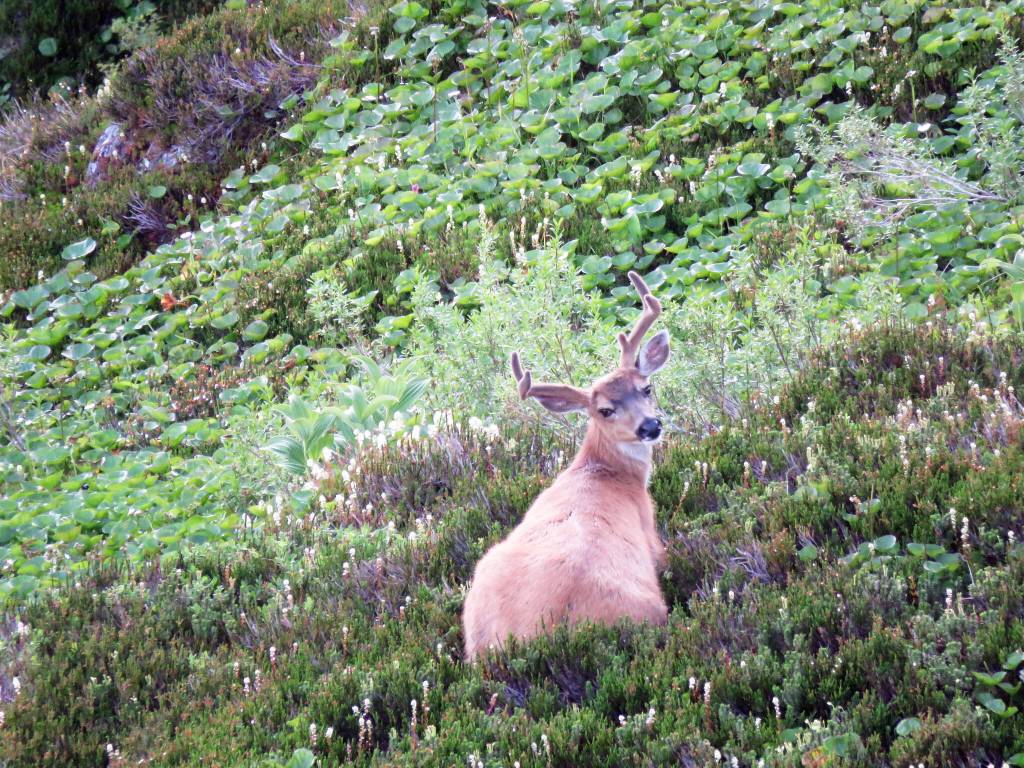
— SeaBank’s scenery, fish and wildlife and remote recreation opportunities are assets that attract over 1.5 million visitors each year – two- thirds of all visitors to Alaska and more than any other region in the state.
— Coastal areas such as Southeast Alaska are the most economically productive ecosystems in the world – not only for coastal communities, but also for national economies and global trade. Coastal systems comprise only 8 percent of the planet’s surface but generate 43 percent of the global ecosystem service economic value.
— The Tongass National Forest, which is the heart and lungs of the Southeast SeaBank, sequesters 44 percent of all carbon sequestered in U.S. national forests.
—Southeast Alaska has one of the largest estuary systems in the world. Estuaries provide erosion control, help purify water, are breeding grounds for a variety of animals, and are nurseries for salmon, forage fish, and shellfish. Three-fourths of all fish caught in Southeast Alaska use its estuaries during some part of their life history — including salmon, halibut, sablefish and rockfish.
—Estuaries are at extreme risk from climate change — especially seagrass meadows and kelp forests.
— Extreme weather events such as record heat, intense snow and rain associated with atmospheric rivers, marine heat waves, snow droughts (when rain falls instead of snow), and other anomalous weather events will increase.
— Southeast Alaska has already warmed by 3° Fahrenheit over the last half century; average temperatures could rise by another 3° to 5° F by 2050. Southeast Alaska may experience the largest change in number of winter days above freezing in all North America.
— Ocean waters are getting more acidic. That makes it harder for crabs, crustaceans, krill, pteropods and other species to build and maintain their shells. Their populations will decline, which will impact animals that feed on them, like salmon.
—Together, industrial logging and climate change are “double jeopardy for salmon.”
Forests help keep streams the right temperature and keep water quality high. Industrial logging, however, has “harmed salmon habitat in some of Southeast Alaska’s most highly productive watersheds.” Failed culverts from logging roads have also eliminated hundreds of miles of salmon habitat for fish, leading to “millions of dollars in losses to Southeast Alaska’s fishermen.”
— Industrial logging has cut “nearly one third of the crucial, most valuable large-tree old-growth forest stands,” with ramifications for ecosystem integrity, tourism, hunting and more.
The Forest Service is taking comments until January 24 on its proposed plan to restore Roadless protections to the Tongass National Forest — and on the wider scale, the U.S. Department of Agriculture in July 2021 announced its plan for what it calls the Southeast Alaska Sustainability Strategy, or SASS, which prioritizes sustainable, community-led, culturally-important uses of the Tongass, and which eliminates industrial-scale logging of old growth. That’s all relevant to the report Behnken and the team at ASFT have been publishing for three years now.
“As our region weighs resource management decisions and develops adaptation strategies for climate change, we think it is critical that stakeholders and policy makers factor in the true value of SeaBank’s goods and ecosystem services so that we make informed long-term decisions that address climate change, protect Southeast Alaska’s natural capital, and ensure more sustainable coastal economies,” Behnken said.
• Mary Catharine Martin is the communications director of SalmonState, an organization that works to keep Alaska a place wild salmon and the people who depend on them thrive.