36% of Alaskans in survey favor seceding from U.S., highest among 47 states included in results
Published 9:30 pm Friday, February 16, 2024
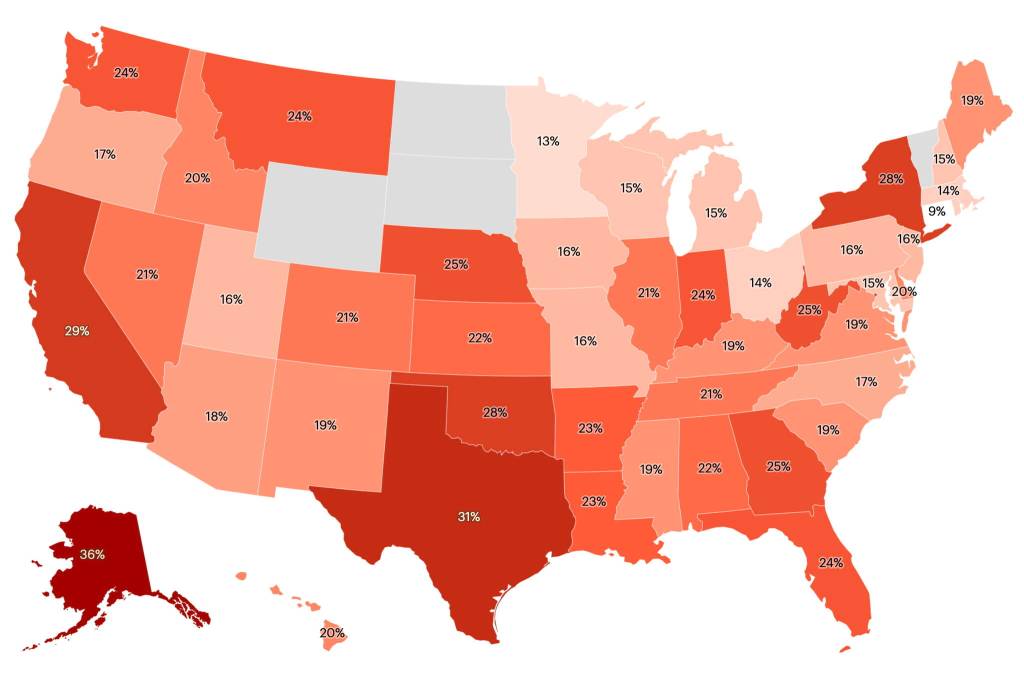
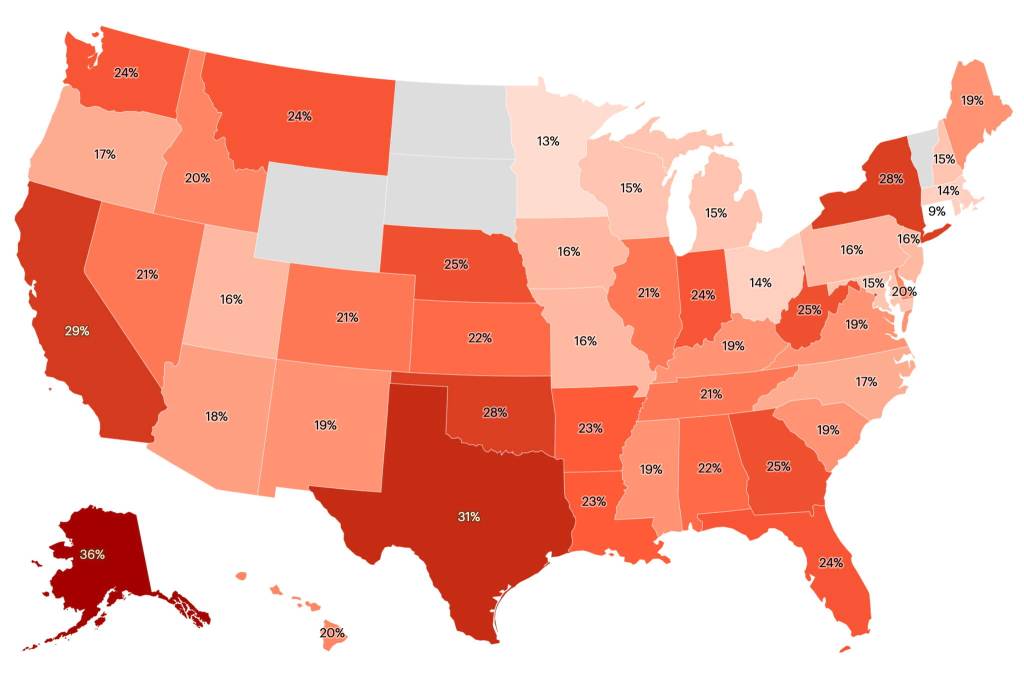
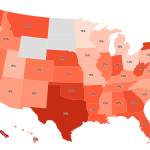
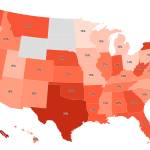
Alaska topped states in favor of seceding from the United States in a survey released earlier this month, with the 36% of residents supporting the Last Frontier being an independent nation far exceeding the national average of 23%.
A big caveat, however, is the results are based on a very small percentage of Alaskans, with fewer than 100 Democratic and/or Republican residents responding to the survey (which also omitted results from three states that had fewer than 100 total respondents). The online survey of 35,307 adults nationwide was conducted by YouGov between Feb. 2 and 5.
The results, in a broad sense, are similar to previous nationwide surveys during at least the past decade that some headlines have declared “shocking,” with such sentiments peaking following the 2020 presidential election and the Jan. 6, 2021, attack on the U.S. Capitol. Republicans and residents in the southern region of the U.S. have generally been the most in favor of seceding in surveys.
But Alaska’s spot at the top in the latest survey appears to be a novel factor, despite being the last state to attempt secession in efforts during the 1970s and 1980s led by Joe Vogler who founded the Alaskan Independence Party. In modern times, Republican Gov. Mike Dunleavy has been among the foremost challengers of federal government authority in Alaska under President Joe Biden — although while Dunleavy supported a call for a state constitutional convention in 2022, he has not endorsed secession.
In second place after Alaska in the YouGov survey was Texas at 31%, California at 29%, and New York and Oklahoma at 28%. The states with the fewest residents favoring secession were Connecticut at 9%, Minnesota at 13%, and Ohio, Massachusetts and Rhode Island at 14%.
The survey states 51% of respondents nationally oppose their state seceding and 27% are unsure. Among political parties, 29% of Republicans and 21% of Democrats favored their state seceding.
“While a variety of factors are likely at play, there is a significant correlation between support for secession within a state and that state’s physical size as well as its population; the largest and most populous states have among the highest levels of support,” a summary of the findings at YouGov’s website states. “The most pro-secession states are a mix of Democratic states — such as California and New York — and Republican states — such as Texas and Oklahoma.”
The recent YouGov survey also found 42% of Alaskans responding believe a constitutional right to secession exists. That’s far higher than the national average of 26%, and well ahead of second-place states California and New York at 33% each.
A total of 32% of Alaska respondents wanted to see another state secede. That’s above the national average of 28%, but trails several other states led by New Hampshire at 37%.
The survey only reported results from 47 states, omitting North Dakota, South Dakota and Wyoming since each had fewer than 100 respondents. Alaska has the fewest residents of the states included in the results — and YouGov did not report the political affiliation of residents because the results “excludes states that either had fewer than 100 responses from Democrats or fewer than 100 responses from Republicans.”
The survey was conducted online, with results weighted according to gender, age, race, education, U.S. census region and political party. A margin of error was not listed in the summary published by YouGov — and any such figure nationally would be much higher in each state due to the smaller sample sizes.
A poll conducted by Reuters in 2014 found 23.9% of respondents favored their state seceding, with more Republicans than Democrats in favor, and the Southwest and Rockies topping regions at 34% and 25%, respectively. A survey in June of 2021 found 37% of respondents, including 66% of Republicans, had a “willingness to secede.”
• Contact Mark Sabbatini at mark.sabbatini@juneauempire.com or (907) 957-2306.