Alaska Science Forum: Calling lost chickadees in far north poplars
Published 10:30 pm Monday, September 1, 2025
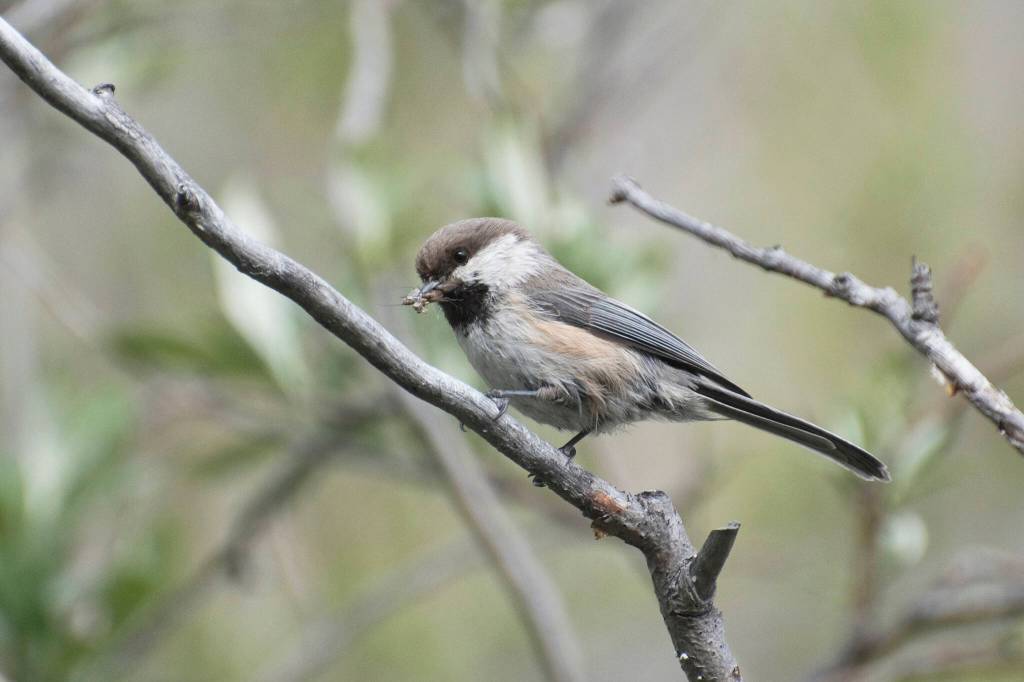
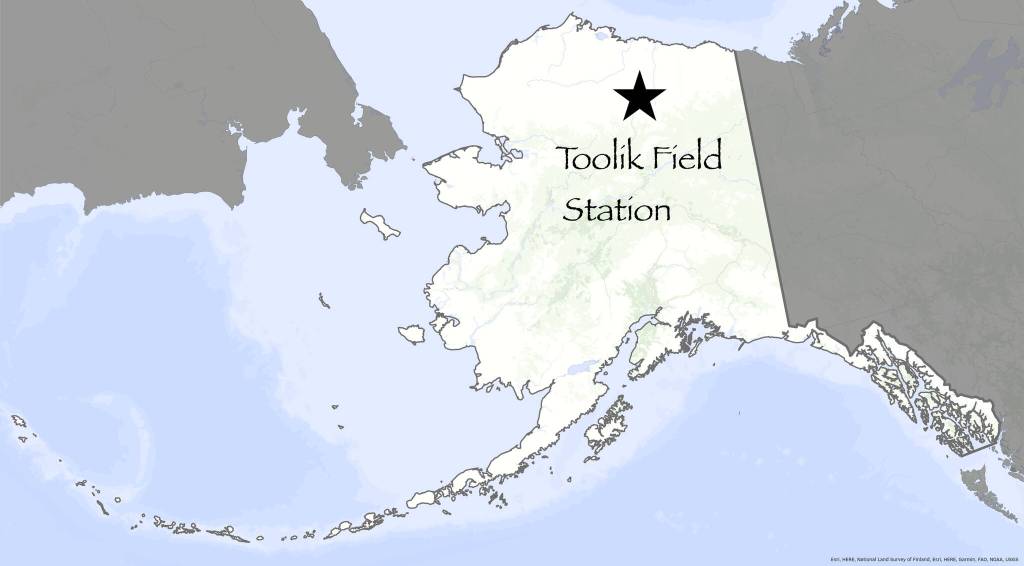
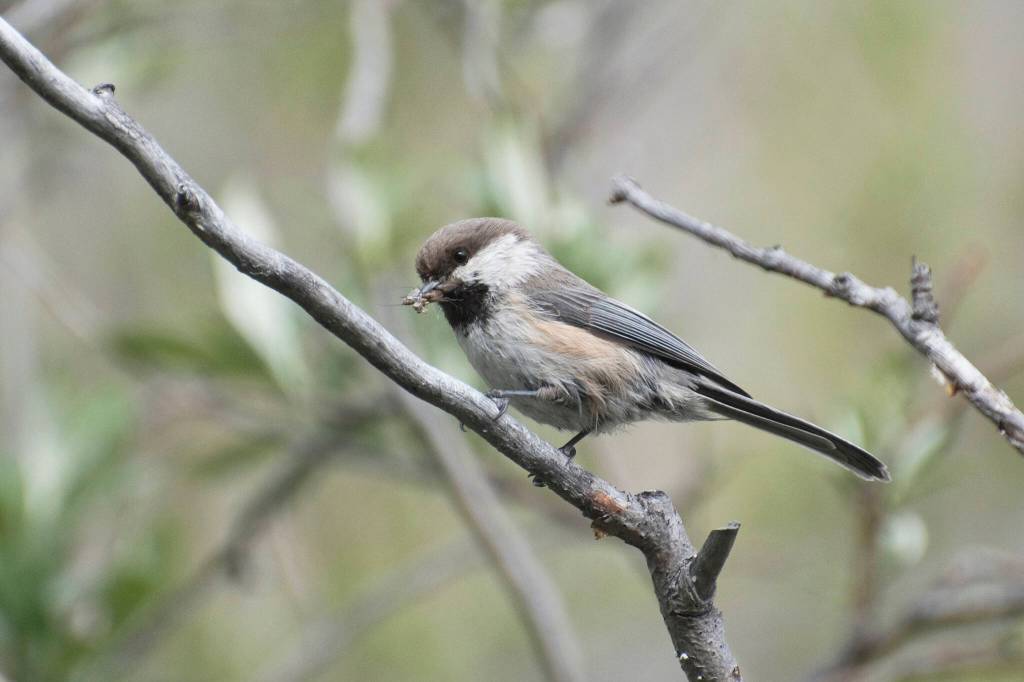
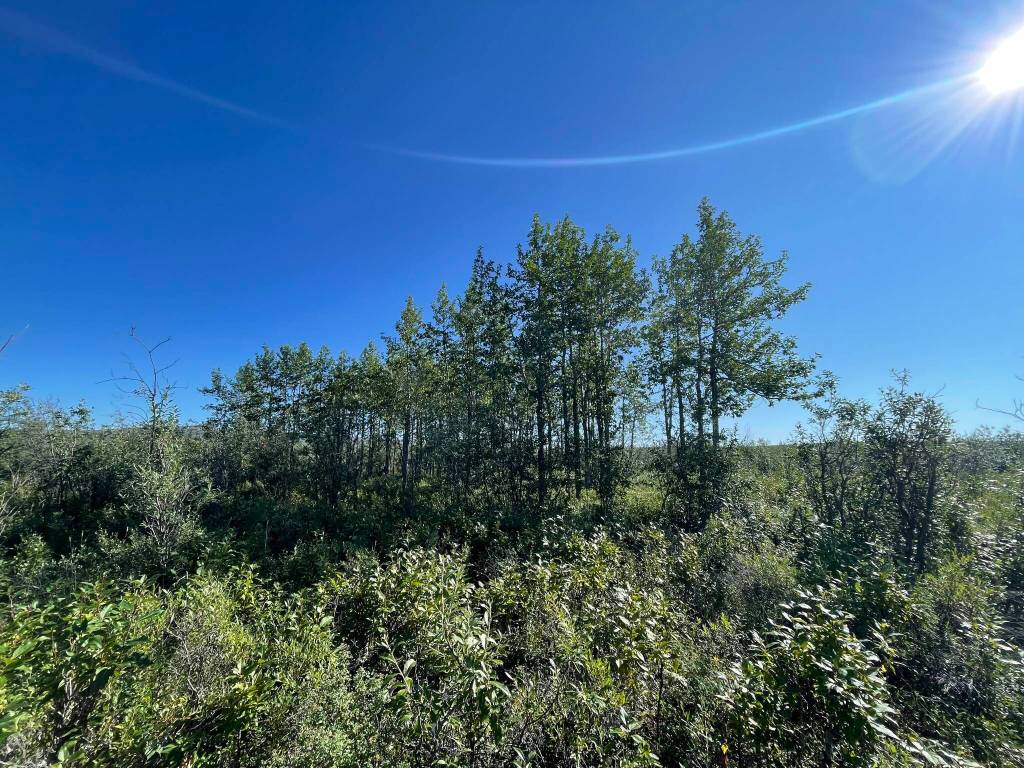


NORTH SLOPE, Alaska — “Chick chick whirrr, chick whirrr.” Although it was a recorded birdsong that chattered through each of the poplar stands we entered, I still occasionally caught myself believing we were hearing the real thing — the call of the gray-headed chickadee, last heard in Alaska in 2018.
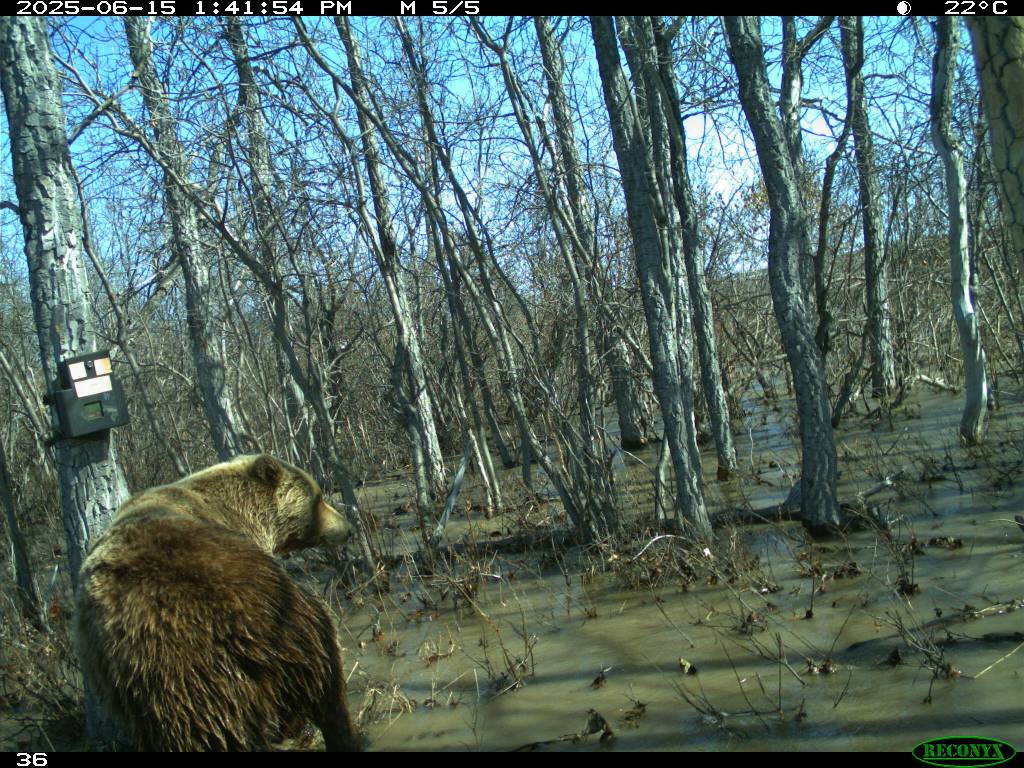
Tom Glass, a postdoctoral researcher with the University of Alaska Fairbanks Geophysical Institute, traveled to these stands in early August. He wants to understand how such Arctic poplars provide habitat for a wide variety of animals — grizzlies, wolverines, moose, snowshoe hares and, historically, this now-absent chickadee.
Accompanying us was Seth Beaudreault, Toolik Field Station naturalist and the person hoping to catch a glimpse of a gray-headed chickadee by playing recordings of their calls and listening for a response.
Missing chickadees provide a subplot to Glass’ reason for the trip, which was to provide a poplar “before” snapshot in anticipation of the beavers’ arrival. The large rodents are following the northward-advancing shrubline across and beyond the Brooks Range in northern Alaska.
Using satellite imagery, Glass, along with UAF colleagues, has been documenting the arrival and spread of beavers in the Arctic as part of National Science Foundation-funded research. So far, evidence of beavers crossing the Brooks Range has been limited.
But if and when they do arrive, they could completely change habitats along North Slope river corridors.
“It’s a pretty dramatic potential consequence of the beavers’ arrival, to think about them coming to a place like this and cutting down all the trees,” Glass mused while unstrapping a trail camera he had installed along the Siksikpuk River in March.
The scenario isn’t far-fetched: In Northwest Alaska, beavers colonized and clear-cut a stand like the ones we were visiting on the North Slope. And if they do move in along Siksikpuk and other rivers in the area, they could prevent or limit the chickadees’ successful return.
“Poplars are the only trees around,” Glass said. “They provide the only suitable habitat on the North Slope to animals like cavity-nesting birds, including the gray-headed chickadee.”
At our eighth poplar stand, Glass and Beaudreault encountered an unlabeled nest box screwed to a tree about 10 feet off the ground. Using a $20 endoscope camera, Glass peeped into the nest box to see if anyone was home.
It was empty.
Back at the field station that evening, Glass learned that the nest boxes had been installed in 2017 by Alaska Department of Fish and Game biologist Travis Booms — one year before the last confirmed sighting of gray-headed chickadees in Alaska. They likely hadn’t been checked since then until Glass, Beaudreault and I encountered them.
As our boots stirred up fragrant Labrador tea on our last field day, Glass hoisted the endoscope into another nest box, and it displayed something other than bare wood: a layer of pale, downy fur on top of moss matching the thick cushion under our boots. This construction aligns with the gray-headed chickadee’s typical nesting material.
Walking back to the helicopter, Beaudreault ruminated on what kind of bird had gathered the materials lining the nest box. He guessed that “the bird was definitely a chickadee, likely a gray-headed chickadee, but could have also been a boreal chickadee, a closely related species that could have wandered up to the North Slope.”
While we had potentially come one step closer to finding the lost gray-headed chickadee, at the end of the day, our helicopter carried two scientists and one storyteller back to the field station with more questions than answers.
Whether gray-headed chickadees return to these poplars before beavers turn songbird real estate into beaver infrastructure is anyone’s guess. If they do, it would be a homecoming that perhaps only the grizzlies and hares — and Glass’ cameras — would witness.
• Since the late 1970s, the University of Alaska Fairbanks Geophysical Institute has provided this column free in cooperation with the UAF research community. Guest columnist Sara Wilbur, smwilbur2@alaska.edu, is the communications coordinator for the Geophysical Institute. Ned Rozell is traveling in Southeast Alaska and will return with the next column.