Salmon ballot measure proponents fight back after legislative hearing
Published 3:32 pm Tuesday, July 24, 2018
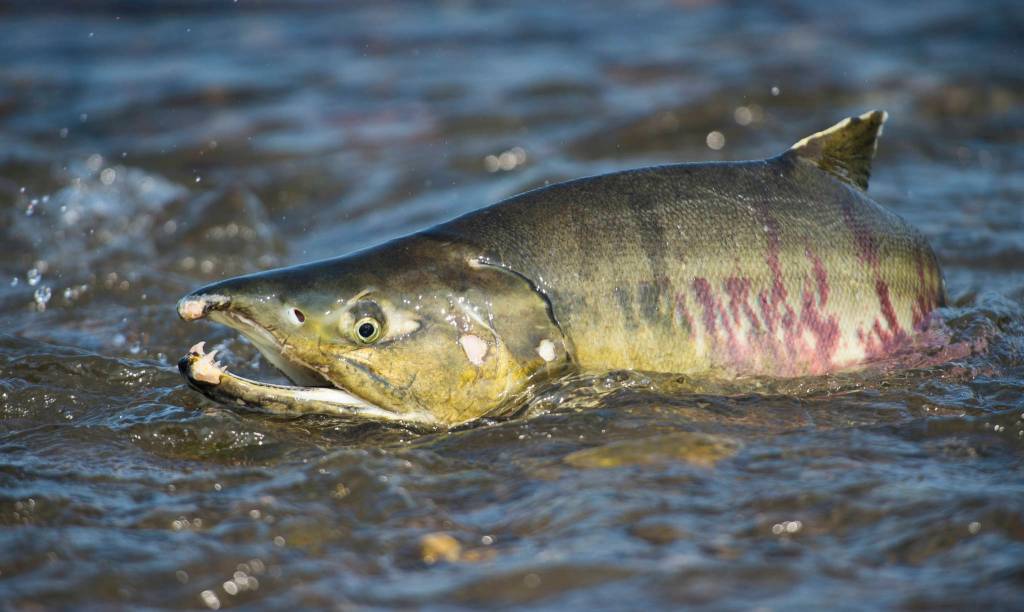
Proponents of the pro-fisheries Ballot Measure 1 are fighting back after a Friday legislative hearing that saw state officials discuss the costs and consequences of the proposal.
“It was just a way for industry and for a state government that doesn’t approve of this initiative to kind of torpedo it,” sponsor Mike Wood said by phone about the hearing. “That kind of bums me out.”
Wood, who was filleting salmon strips, spoke three days after the Alaska Senate State Affairs Committee held a four-hour meeting discussing the measure. During the presentation, state officials said Ballot Measure 1 would cost millions of dollars, lengthen the permitting process for some construction projects, and make larger projects impossible.
The measure would “make it nearly impossible to permit the Alaska LNG project,” Department of Natural Resources Commissioner Andy Mack told the Senate State Affairs Committee, referring to the proposed trans-Alaska natural gas pipeline.
“That is total bull—-,” Wood said.
Asked whether he thought the presentations were overly pessimistic, he said, “absolutely, without a doubt.”
Lindsey Bloom, a Juneau-based commercial fisherwoman and state policy director for SalmonState (a group supporting the intiative), said by email that Alaska’s seafood industry, particularly the salmon industry, is a multibillion-dollar per-year industry worthy of protection and preservation.
“Passing this update to the existing law is the single most important step we can take for salmon right now. Every diminished run, every lost stream in Alaska eats into our most valuable salmon resource. Bristol Bay alone is worth $1.5 billion a year, and that is under direct threat without responsible development standards,” she wrote.
According to figures from the Alaska Department of Fish and Game, more than 21,000 people worked as commercial fishermen in Alaska in 2017 and more than 460,000 sportfishing licenses were sold. Fishing also creates an enormous processing industry. In 2014, according to figures compiled by the Alaska Department of Labor and Workforce Development, more than 27,300 people worked in seafood processing within Alaska, including about 8,200 Alaska residents.
There are more commercial fishermen alone (not counting processing jobs) than in the mining and oil and gas industries combined. Add processing work, and fisheries account for more than mining, oil, gas and construction combined.
Proponents say because of these facts, it makes sense to protect Alaska’s salmon streams and rivers, even if there is some expense or cost to other industries.
“We need to chose a different path than our friends in the Lower 48, who have lost some of their greatest salmon runs and all of the sport fishing opportunities that come with that,” said Matt Boline, a Juneau-based fishing guide, by email. “Washington (state) will spend $5 billion to recover salmon over the next 10 years. Alaska could face a similar price tag if it does not create responsible development standards statewide.”
Gayla Hoseth, a ballot measure sponsor, said there are cultural considerations as well. Salmon fishing is a traditional way of life that has value above its pure financial reward, she wrote by email.
“The salmon life has been passed down from our ancestors, and we have a duty to protect that way of life and continue that. There’s no more important thing that we can do as Alaskans then step up and protect salmon and their home habitat,” she said.
Ballot Measure 1 will be on the Nov. 6 general election ballot.
• Contact reporter James Brooks at jbrooks@juneauempire.com or 523-2258.