1.5 million pounds of trash removed from Alaskan coastlines in 2025
Published 3:30 pm Tuesday, June 9, 2026
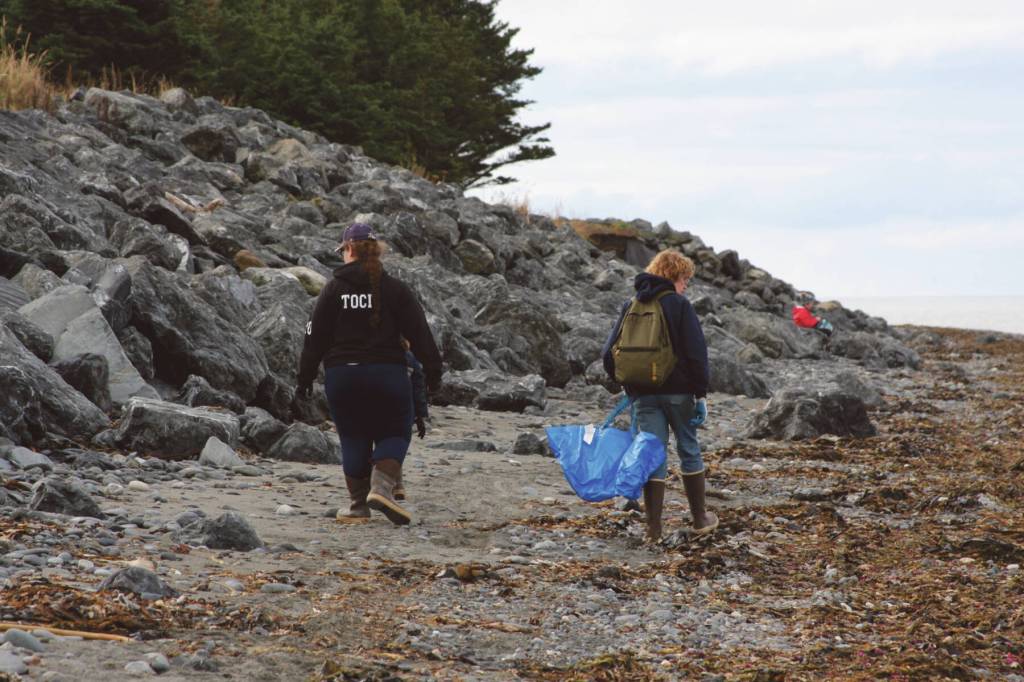
A statewide report on marine debris cleanups in Alaska has highlighted both the scale of ocean trash washing ashore and the determination of nearly 1,700 participants working in some of the world’s most remote coastal environments.
The report, released earlier this month by Ocean Conservancy, Alaska Sea Grant, and the Sitka Sound Science Center, documents beach cleanup efforts from last year, which involved 1,659 people, 25 lead entities, and numerous local partners from Southeast Alaska to the Bering Strait.
More than 1.5 million pounds of marine debris was removed in the documented beach cleanups in 2026.
Cleanup efforts ranged from one-day community-wide events to multi-month operations in remote locations that required field camps, vessels, and helicopters, according to Ocean Conservancy, which added that the scope of the cleanups included in the report highlights the need for adequate resources and long-term support to maintain cleanup efforts.
“This report gives us an opportunity to better understand the scale of the marine debris problem in Alaska and highlight the incredible efforts happening in communities across the state,” said Ocean Conservancy’s Arctic Marine Debris manager Kristina Tirman.
“Ocean Conservancy is pleased to support and amplify the work of the organizations and Tribes who have been leading this work to protect Alaska’s coastlines and communities.”
The debris collected varied, from plastic bottles and microplastics to creosote-treated lumber and derelict fishing gear known as “ghost gear,” which is the most common type of debris removed during cleanups in many Alaskan communities. It is also the deadliest form of plastic pollution to ocean wildlife.
After collecting debris, the waste was transported out of the remote communities to proper recycling or disposal facilities, which is a major challenge and added expense. In many communities, the trash must be loaded onto a barge and shipped to the lower 48 for disposal.
Alaska Sea Grant director Ginny Eckert said that the educational institution is proud to support many of the community-led marine debris removal efforts through a competitive regranting process funded by the National Oceanic and Atmospheric Administration Maine Debris Program.
“Across Alaska, communities, fishermen, Tribal entities, and local organizations took the lead in identifying priorities, organizing cleanups, and protecting the places that are important to them,” she said.
“Some of these groups have been conducting cleanups for decades, while others are just getting started – but all demonstrate the deep commitment and local knowledge that make place-based marine debris removal efforts successful.”