MY TURN: Clean up yesterday’s mine before permitting tomorrow’s
Published 4:30 pm Friday, May 22, 2026
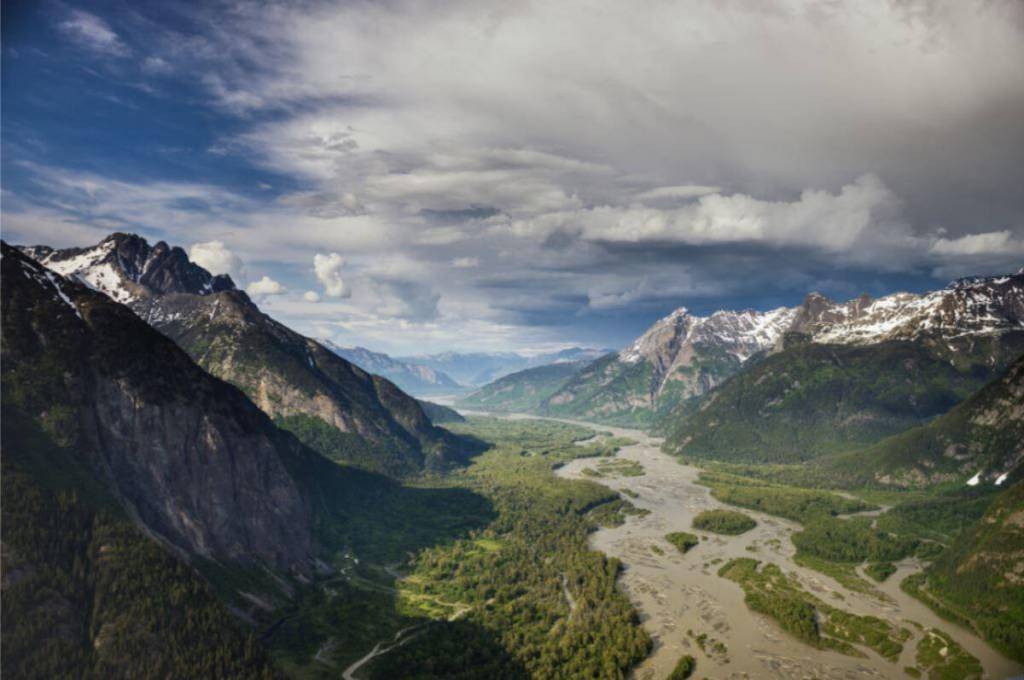
For decades, the long-abandoned Tulsequah Chief mine has been seeping toxic pollution into the Taku River. The mine is in Canada, just a few miles upstream from the Alaska border. Alaskans have spent years pressuring British Columbia to clean up the mess left behind by multiple owners. Tulsequah Chief has been an enduring example of how promises of “responsible” mining can fall apart in practice.
In a recent Northern Journal interview, U.S. Senator Lisa Murkowski put it succinctly: “In that instance [of the abandoned Tulsequah Chief Mine], we saw just a complete failure. A failure that went on for decades — to the point where, in British Columbia, they know they have to address it. They know that for projects going forward, they’re kind of stained by the operation there. They’re making the same promises — ‘Our environmental regulations are tough. We’re going to be good stewards’ — but it’s really hard when they have failed to keep their word.”
Finally, in the last couple years, there has been some on-the-ground progress toward remediation of the Tulsequah Chief. A recent webinar hosted by provincial officials, the Taku River Tlingit First Nation, and Teck Resources outlined ongoing remediation work, ranging from sediment management to site stabilization. These efforts are good and important. But Teck and British Columbia government officials project that full cleanup of the site is still at least a decade away.
While real but slow progress is being made at Tulsequah Chief, just a handful of miles downstream, a new mining project is moving quickly through the application process. The proposed New Polaris gold mine is advancing rapidly through British Columbia’s environmental review process.
For communities that rely on the Taku River, on both sides of the border, this raises a simple but urgent question: Why are we rushing to approve new development before cleaning up the damage from the past?
The Taku is not just another river. It is one of the region’s last intact salmon producing watersheds, supporting Indigenous culture, commercial fisheries, and local economies from northwest British Columbia to Southeast Alaska.
If anything, the lesson of Tulsequah Chief is not that mining cannot be done responsibly. It is that accountability must come first and be proven, not promised.
The remoteness of the Tulsequah site has long been cited as a challenge to cleanup. But New Polaris would face similar conditions. If governments and companies have struggled for decades to manage one site, what confidence should we have in their ability to oversee another?
This is not an argument against development. It is an argument for sequencing, responsibility, and trust.
Before considering a new mine in the Taku watershed, British Columbia should finish the job they have already started. Cleanup of Tulsequah Chief should not be a footnote to progress. It should be the prerequisite. Until then, moving forward with New Polaris sends the wrong message: that it is acceptable to leave one mess behind while beginning another.
Frank Rue is a longtime Juneau, Alaska resident and former commissioner of the Alaska Department of Fish and Game.