LETTER: Slow down revision to the Tongass plan
Published 4:30 am Sunday, April 26, 2026

I make my living on the water in Southeast Alaska. Like a lot of people, I don’t look at the Tongass as some distant policy fight or paper exercise. I look at it as the forest that surrounds our towns, feeds our salmon streams, and helps support the communities that still depend on working natural resource industries.
That is why the current Tongass Forest Plan Revision process is so frustrating. A decision this important ought to be handled with care, clarity, and real public involvement. Instead, it is being pushed forward in a way that leaves commercial fishermen and a lot of other people who depend on fisheries on the outside looking in.
We are told there are opportunities to participate. In practice, those opportunities fall short. The Forest Service community workshops do not allow fishermen or members of the public to testify. For communities whose lives have long been tied to fish, this isn’t meaningful engagement, it is box-checking.
Fisheries, and salmon fisheries in particular, should be front and center in any Tongass plan revision. This goes beyond commercial harvest alone. Salmon and other fisheries are part of the culture and everyday life of Southeast Alaska. They matter to families, communities, local traditions, food security, and the way people here relate to the land and water. They also help support a tourism economy that depends on clean water, healthy habitat, and the scenery and wildlife that bring people to Southeast Alaska in the first place.
That also means recognizing the people and communities tied to those fisheries, including commercial fishermen, subsistence users, sport fishermen and charters, processing workers, tenders, harbor businesses, fuel docks, marine repair shops, and tourism businesses that rely on Southeast Alaska’s natural beauty and healthy ecosystems. These are coastal families and entire small-town economies that revolve around the annual return of fish. In Southeast Alaska, salmon are not a side issue; they turn healthy habitat into jobs, local food, continuity, and stable communities.
Too often, fisheries get treated like an afterthought in land management discussions. Fishing is the foundation of Southeast Alaska, both economically and socially. Fishermen belong at the table from the start, not squeezed into a process that feels designed to move quickly instead of listening carefully to their knowledge and concerns.
This isn’t to say the Tongass plan should never be revised. There is a big difference between moving forward and forcing it through. Right now, this process needs to slow down. It needs to make room for actual testimony from the public. It needs to give people a clearer and more honest way to participate. It also needs to recognize fisheries, especially salmon, as central to Southeast Alaska.
I encourage Alaska’s state and federal lawmakers to step in and urge the Forest Service to slow this process down and reopen it in a way that allows meaningful public involvement. If the Tongass plan is going to shape the future of this region, then the people whose lives are tied to salmon streams, working waterfronts, and healthy habitat deserve more than a closed microphone. We deserve to be heard.
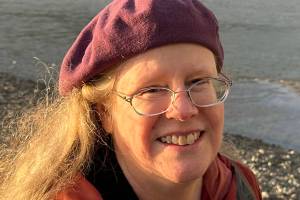
Patrick Baum is the president of the Alaska Trollers Association.