Opinion: All the wrong moves
Published 1:30 am Wednesday, April 22, 2026



We are dismantling the very engines of talent, innovation, and growth that made America rich, powerful and respected.
America rose by welcoming talent, rewarding invention and building world-class universities, laboratories and companies. That advantage is now being choked off as foreign students, skilled visa holders and prospective immigrants are treated as liabilities rather than assets. This is not merely misguided policy. It is economic self-harm with long-term strategic consequences.
Recent NSF survey data show that, with the total international science and engineering doctorate holders, long-term retention rates hover near 71 per cent after five years and 65 per cent after 10. These are innovators, entrepreneurs, researchers, and educators who drive patents, startups, and discovery. Turning them away weakens future growth.
Broader immigration restrictions deepen the damage. The United States is already confronting demographic headwinds as birth rates decline and the population ages. Reducing the inflow of working-age immigrants shrinks the future labor force, tightens labor markets, and constrains economic expansion.
It also places growing strain on retirement systems such as Social Security and Medicare, which depend on a strong base of active workers to support retirees.
At the same time, tariffs compound the problem.
They act as taxes on the materials and components American industry relies on, raising costs throughout the production chain.
Manufacturers pay more for inputs, equipment, and logistics, leaving U.S. goods less competitive at home and abroad. Rather than strengthening industry, tariffs weaken its ability to compete.
Energy policy reflects a similar misalignment with global reality.
Clean energy is rapidly becoming the lowest-cost source of power across much of the world. Affordable energy is the foundation of industrial competitiveness, and nations that secure it gain a decisive advantage. Yet the United States is stepping back.
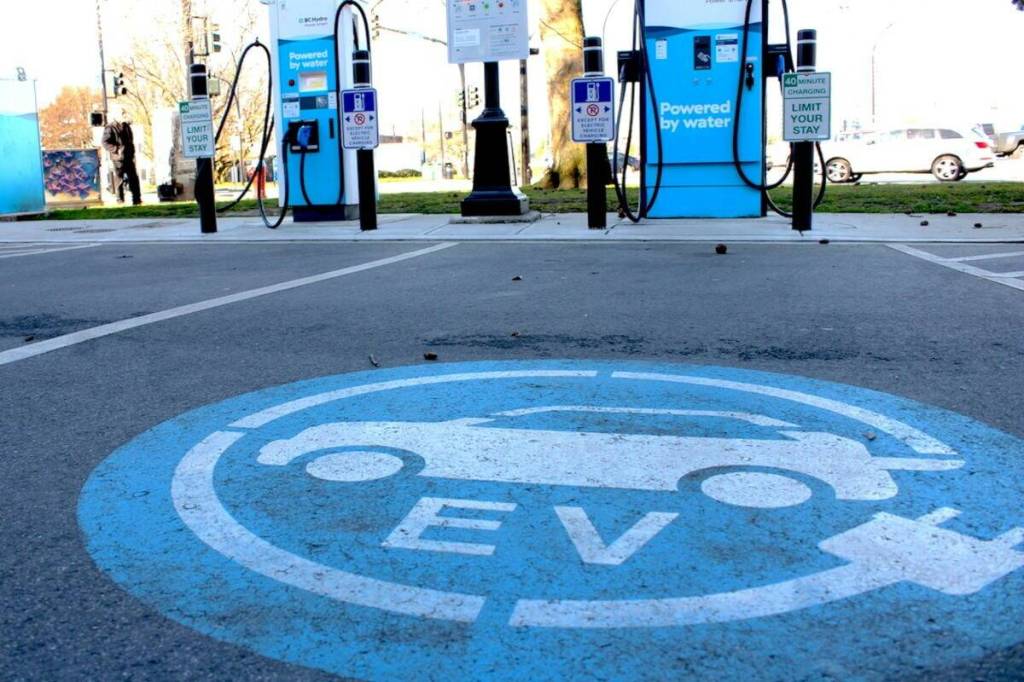
Nowhere is this more evident than in transportation. The global shift to electrification is advancing across passenger vehicles, heavy trucks, and emerging aviation technologies. Under the previous administration, electric medium- and heavy-duty truck deployments had scaled to tens of thousands across commercial fleets nationwide, establishing that the transition is real. China, Europe, and other competitors are committing heavily to batteries, charging networks, and advanced propulsion. While the United States hesitates, it risks surrendering leadership in the technologies that will define logistics, manufacturing, and trade for the next generation.
This is not environmental policy. It is industrial strategy. Nations that lead in efficient, low-cost transportation systems gain durable advantages across supply chains, exports, and manufacturing capacity. Falling behind in electrification and automation does not preserve what exists. It forfeits the ability to compete in the economy that is coming.
Environmental rollback further undermines national strength. Decades of policy have delivered measurable gains in air and water quality, improving both public health and productivity.
Since 1970, particulate pollution has fallen dramatically, contributing to longer life expectancy. Reversing these protections does not eliminate costs; it shifts them into higher health burdens, reduced workforce productivity, and diminished quality of life. A less healthy population is a less competitive one.
Fiscal policy adds another layer of risk. Defense spending has surged to historic levels, with proposed 2027 total security-related expenditures budget at $1.5 trillion alongside a 2026 deficit hitting $2 trillion. Borrowing at this scale to fund consumption-heavy outlays does little to strengthen long-term economic capacity.
Investments in research, education, and infrastructure generate compounding returns. Military expenditures largely consume resources without building future productive assets.
Underlying these choices is a broader shift away from the conditions that sustain innovation. Economic leadership depends on open inquiry, independent research, and the free exchange of ideas. When institutions are pressured, expertise sidelined, and dissent discouraged, the result is not efficiency but stagnation. Talent leaves. Investment follows. Competitiveness declines. The pattern is unmistakable.
Talent is discouraged, immigration is constrained, costs are raised, emerging industries are neglected, public health is compromised, and debt is expanded without corresponding investment in future capacity.
Each decision alone is damaging. Together, they form a coherent retreat from the sources of national strength. America’s success was built on openness, curiosity and a willingness to invest in the future.
History is unforgiving to nations that dismantle their own engines of strength.
A contracting labor force, diminished innovation and mounting fiscal strain do not operate in isolation; they compound, accelerating decline.
Stay this course, and the United States will not merely fall behind. It will relinquish its role as a standard-setter and accept the far costlier fate of following in a world it once led.
Van Abbott is a long-time resident of Alaska and California. He has held financial management positions in government and private organizations, and is now a full-time opinion writer. He served in the late 1960s in the Peace Corps as a teacher.