I Went to the Woods: Looking forward
Published 4:30 am Saturday, April 4, 2026
In his 1977 book Coming into the Country, John McPhee wrote “The central paradox of Alaska is that it is as small as it is large–an immense landscape with so few people in it that language is stretched to call it frontier, let alone a state.”
Since then population centers have filled in though recent trends show people leaving the state almost as fast as they are entering it.
Though the pull of adventure is every bit as strong as when McPhee wrote his iconic account of our state, the economics pale in comparison to the oil boom days. It is simply too expensive – housing, heating, food, building, to make a go of it for many people.
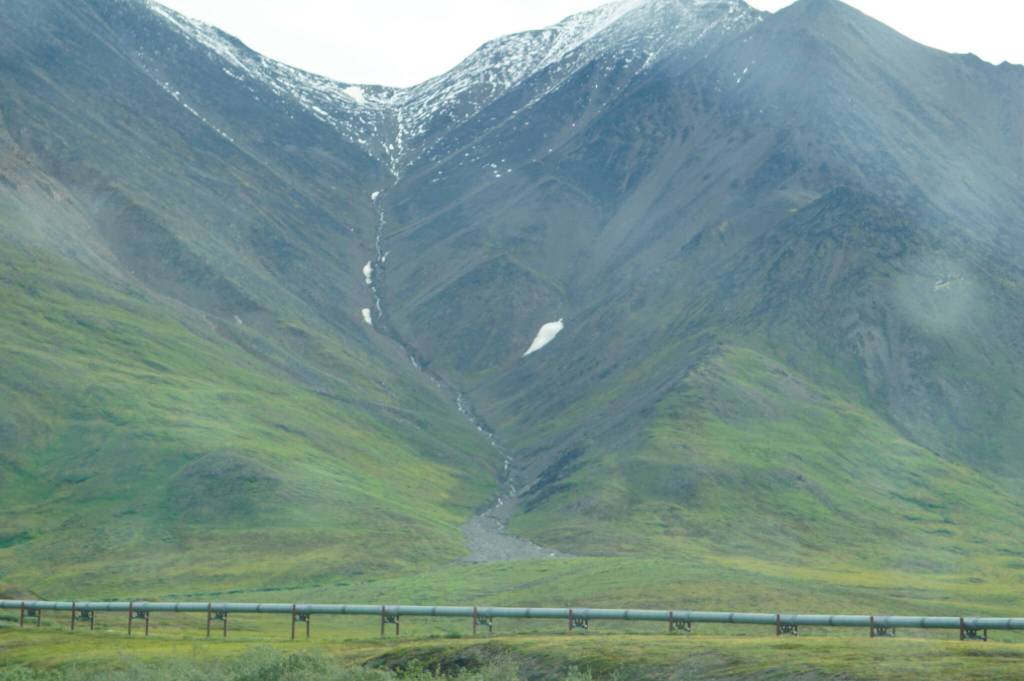
It’s tempting to want to go back to a cherry-picked idea of the 70s or 80s and lament loss and change. There was money in the 70s, but the oil infrastructure is now in place, and the bulk of the state’s income is from the Permanent Fund, not oil production itself. If the Perm Fund is the heart, the pipeline is the jugular.
So the question isn’t how we can replicate the economy of almost two generations ago, but how we can effectively move forward without ruining the economy or the quality of life.
When I think of the recreational economy, I don’t think about daytripping to areas with kiosks. I think of cabins. Cabins are an inseparable part of the Forest Service for me. In fact, I thought that was the entirety of the job of the Forest Service when I was a kid. My family went to the Staney Creek and Sweetwater Cabins on Prince of Wales Island. I shot dad’s .357 for the first time, carved hot dog roasting sticks and learned all the generalities about flame ignition. I learned to love the still and quiet and appreciated the volume of the outdoors.
As residents, most of the decisions happen to us, not necessarily for us. Unless we are part of a chosen group that benefits at the expense of others.
There’s always been an element of this. Parts of McPhee’s book sound contemporary. Same argument, new day, new context. The difference is we have experience to make more nuanced decisions for the future.
Since the 1970s, tourism has emerged as the driving industry in Southeast Alaska. If anyone thinks the outback of Alaska is getting crowded, go visit Yellowstone or even less popular regional parks in the states. The iconic Half Dome hike in Yosemite requires a permit and the daily limit is 75 people for the 16-mile round trip climb. Advocating for a recreational economy won’t invite that level of traffic. Geography prevents it.
My wife and I went to the Seward Peninsula for our honeymoon and there were tremendous crowds of people fishing the Kenai, Kasilof and Russian Rivers. There was a steady stream of people climbing to get views of Exit Glacier and the Harding Icefield. But it’s nothing like the crowds in the Lower 48. For many, it is preferred over gratuitous ecological destruction. That’s not to say logging, mining or drilling should end. It’s a big state, but that doesn’t mean we should be careless or cater to foreign companies at the expense of locals. It is difficult to imagine Alaska’s economy without the pipeline, but that doesn’t mean any and all drilling and mining should be accepted as necessary. Responsible use for maximum benefit requires creativity and should benefit Alaskans. It is a mistake to interpret the rejection of bad ideas as partisan groupthink. Alaskans can be steadfast if not stubborn in our views, but that doesn’t mean we’re unreasonable.
Jeff Lund is a freelance writer based in Ketchikan. His book, “A Miserable Paradise: Life in Southeast Alaska,” is available in local bookstores and at Amazon.com. “I Went to the Woods” appears twice per month in the Juneau Empire.