News
Crime & Justice
Environment
Submit a Photo
Submit a Story Idea
Submit a Press Release
Submit Business News
Sports
Submit Sports Results
Neighbors
Submit an Engagement Announcement
Submit a Wedding Announcement
Submit a Birth Announcement
Contests
Alaska Outdoors
Opinion
Letters to the Editor
Submit a My Turn or Letter to the Editor
Obituaries
Submit an Obituary or Death Notice
eEdition
Home
Subscriber Center
Subscriber Center
Subscribe
Contact Our Subscriber Center
Vacation Hold
FAQs
Newsletters
News
Crime & Justice
Environment
Submit a Press Release
Submit a Story Idea
Submit a Photo
Submit Business News
Contests
Sports
Submit Sports Results
Neighbors
Submit an Engagement Announcement
Submit a Wedding Announcement
Submit a Birth Announcement
Alaska Outdoors
Opinion
Letters to the Editor
Submit a MyTurn or Letter
Obituaries
Submit an Obituary or Death Notice
eEdition
Classifieds
Place a Classified Ad
Legal Notices
Place a Legal Notice
Services
About Us
Contact Us
Careers
Carrier Application
Submission Forms
News
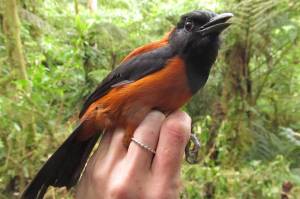
On the Trails: Toxic birds and bugs
These chemical compounds are often derived from plants
January 31, 2022
News
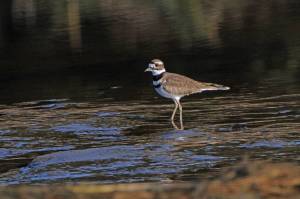
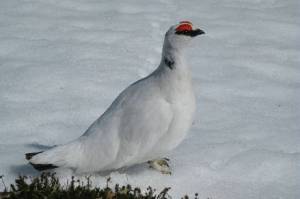
On the Tails: Shorebirds in winter
Sightings are no “shore” thing.
January 24, 2022
News
Sounding a warning
Local composer writes song about climate change
January 24, 2022
News
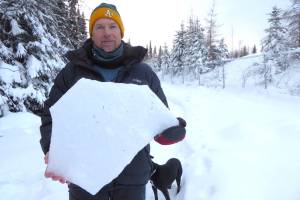
Alaska Science Forum: Fun with ice physics in the cryosphere
Here’s why some found recent winter weather fascinating.
January 20, 2022
Sports
On the Trails: Surf, bird food and paralytic shellfish poisoning
Surf’s up!
January 17, 2022
News
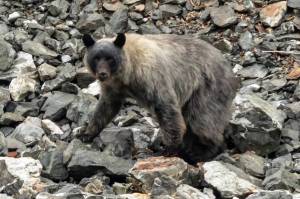
Recessive genes and receding glaciers: Lecture focuses on Southeast’s blue bears
Biologist shares insights about glacier bears.
January 14, 2022
News
Midwinter rain-on-snow a game changer
A few hours of a December day may affect living things for years to come in the middle…
January 13, 2022
News
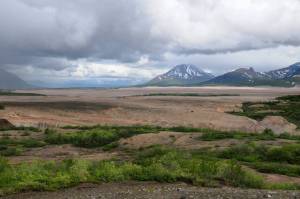
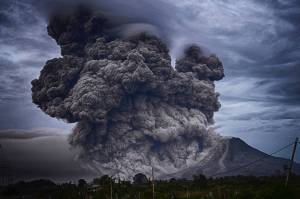
Pride of Bristol Bay: Novarupta — The Greatest Volcano Eruption of the 20th Century
On June 6, 1912, all hell broke loose.
January 11, 2022
News
On the Trails: Strolling on the snow
Snow, and more snow!
January 10, 2022
News
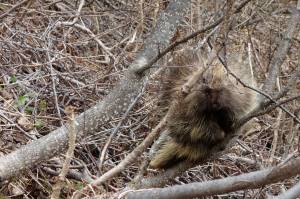
Alaska Science Forum: The porcupine’s winter in slow-motion
How do porcupines survive winter? A lengthy study provides insights.
January 6, 2022
News
Sustainable Alaska: Humans vs. Volcanoes
We are warming the world tens of times faster than did the ancient volcanoes.
January 5, 2022
News
On the Trails: Diving into birds underwater
There’s a lot going on under the surface.
January 3, 2022
News
Alaska Science Forum: Mummified forest tells tale of changing north
Ancient fair-weather trees suggest a very warm period in the far north
December 30, 2021
News
On the Trails: The weasel family
Flexing our mustelids.
December 27, 2021
News
On the Trails: Observations from four wintry walks
Plenty of creatures stirring.
December 20, 2021
News
Alaska Science Forum: News of the Arctic from New Orleans
We need to talk about this report card.
December 16, 2021
News
On the Trails: Parthenogenesis in vertebrates
There’s another way to be a single parent.
December 13, 2021
News
Alaska Science Forum: Elephant Point and trees growing on ice
Pointing out the origins of a name.
December 9, 2021
News
On the Trails: Transition to winter — maybe
A mat of old leaves lined the roadway, each leaf fringed with crystals, making a pretty mosaic…
November 29, 2021
News
On the Trails: Caring for offspring
Vertebrates have a broad spectrum of ways to care for their offspring
November 22, 2021
Previous
7
8
9
10
11
Next