News
Crime & Justice
Environment
Submit a Photo
Submit a Story Idea
Submit a Press Release
Submit Business News
Sports
Submit Sports Results
Neighbors
Submit an Engagement Announcement
Submit a Wedding Announcement
Submit a Birth Announcement
Contests
Alaska Outdoors
Opinion
Letters to the Editor
Submit a My Turn or Letter to the Editor
Obituaries
Submit an Obituary or Death Notice
eEdition
Home
Subscriber Center
Subscriber Center
Subscribe
Contact Our Subscriber Center
Vacation Hold
FAQs
Newsletters
News
Crime & Justice
Environment
Submit a Press Release
Submit a Story Idea
Submit a Photo
Submit Business News
Contests
Sports
Submit Sports Results
Neighbors
Submit an Engagement Announcement
Submit a Wedding Announcement
Submit a Birth Announcement
Alaska Outdoors
Opinion
Letters to the Editor
Submit a MyTurn or Letter
Obituaries
Submit an Obituary or Death Notice
eEdition
Classifieds
Place a Classified Ad
Legal Notices
Place a Legal Notice
Services
About Us
Contact Us
Careers
Carrier Application
Submission Forms
News
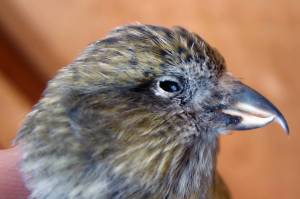
Alaska Science Forum: White-winged crossbills and yellow snow
Why might songbirds have a thing for yellow snow?
April 1, 2021
News
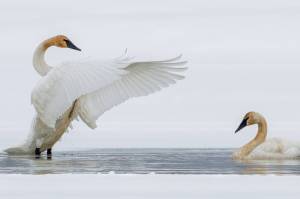
On The Trails: Eagle Beach at equinox time
Wildlife spotted on the water and in the sand.
March 30, 2021
News
Juneau’s Climate Change Solutionists: Growing renewable energy supplies with Duff Mitchell
If we are to keep global warming below 1.5 degrees Celsius, we must electrify everything.
March 26, 2021
News
I Went to the Woods: Cold weather caribou
I had been cold before, but not this type of cold.
March 23, 2021
News
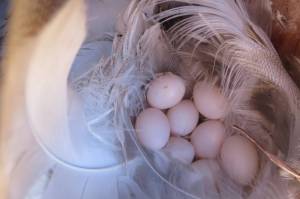
On The Trails: Greenery in avian nests
Behavior is less well-known to non-ornithologists.
March 23, 2021
News
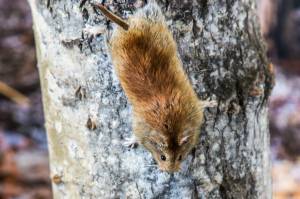
Alaska Science Forum: Why did the vole climb the tree?
Despite the small mammal being common, nobody had studied or written about them climbing trees.
March 18, 2021
News
On The Trails: Bribery for dispersal agents
Seed plants have been quite inventive!
March 16, 2021
News
Call of the wild: Great outdoors is great escape in pandemic
Outdoor enthusiasts are certainly stepping outside to play in whatever environment.
March 12, 2021
News
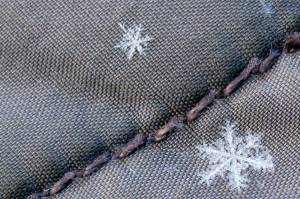
Alaska Science Forum: Snow is the state of Alaska
Fun facts about snow gleaned from a new book.
March 12, 2021
News
I Went To The Woods: Fear of the single star
There are good leaps and there are dumb ones.
March 9, 2021
News
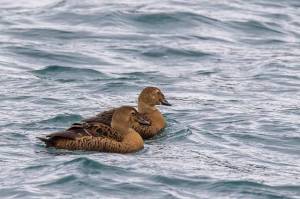
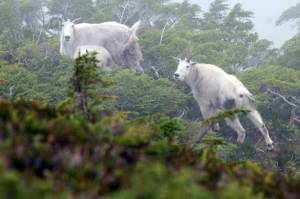
On The Trails: Tracks and king eiders
Eiders and more.
March 9, 2021
News
Alaska Science Forum: Finding out more about the quake that shook Kodiak 120 years ago
By Ned Rozell
March 4, 2021
News
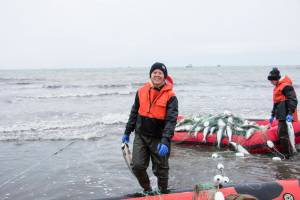
From Egegik Fish Camp to National Geographic camerawoman: A Conversation with Erin Ranney
Erin Ranney might be best described as a force of nature for nature.
March 4, 2021
News
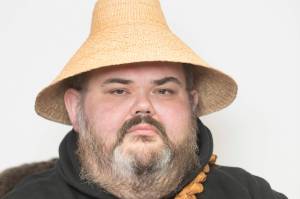
Juneau Climate Change Solutionists: Protecting Forests through Indigenous land management with Richard Chalyee Éesh Peterson
Our greatest role in the global fight against climate change is to protect our land.
March 3, 2021
News
On The Trails: Wary ermine; tree swallow nests
Sights seen overhead and (nearly) underfoot.
March 1, 2021
News
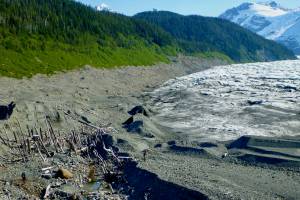
Alaska Science Forum: Malaspina Glacier gets up and goes
It’s pancake-shaped and the size of Rhode Island.
February 25, 2021
News
Juneau area at high risk for ‘historic’ avalanches
A month of weird weather has created a uniquely loaded set of dice.
February 25, 2021
News
I Went To The Woods: No luck of the draw
My willingness to suffer and willingness to save are the key ingredients, not my luck in a draw.
February 24, 2021
News
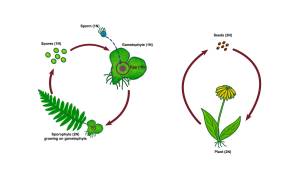
On The Trails: From spores to seeds
No phyte-ing progress.
February 23, 2021
News
Alaska Science Forum: ‘Ghost forest’ got run over by a glacier
By Ned Rozell
February 18, 2021
Previous
18
19
20
21
22
Next