Opinion: Doing nuclear energy right requires global paradigm shift
Published 3:00 am Sunday, April 21, 2019
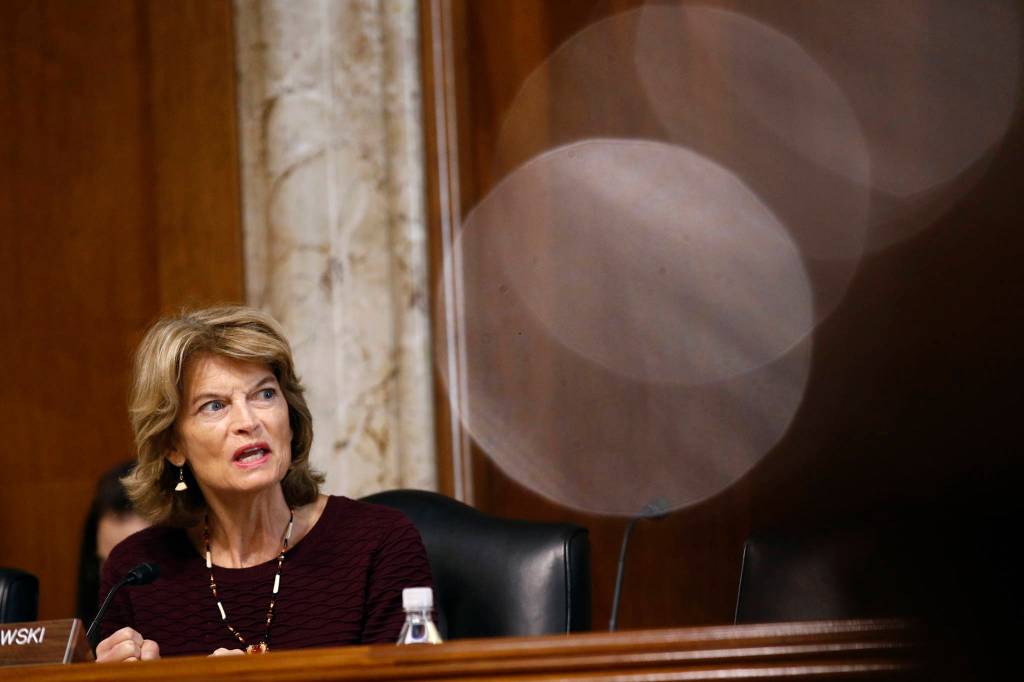
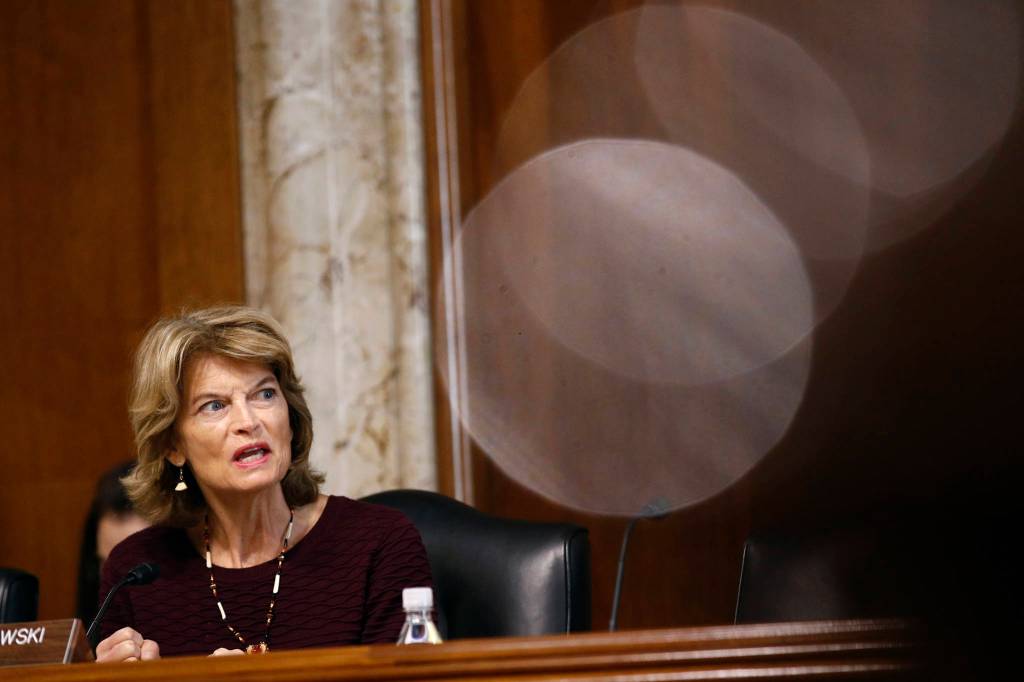


“The next generation of nuclear systems — known as advanced reactors” could help “feed the world’s appetite for energy with no emissions,” Sen. Lisa Murkowski claims in an opinion piece.
Joshua S. Goldstein, Staffan A. Qvist and Steven Pinker think it can “save the world.” For them all to be right, we need a new model of cooperation between governments of the world, industry and the people both are supposed to serve.
First let me say Murkowski added another star to her independent streak. In a March opinion co-authored by Sen. Joe Manchin, a Democrat from West Virginia, she acknowledged there’s “no question that climate change is real or that human activities are driving much of it.” She said advanced nuclear energy systems are among the “game-changing” technologies to mitigate it.
Goldstein et al had their views published in The New York Times three weeks ago. They argue that by replacing most of their fossil-fueled power plants with nuclear, France and Sweden have already proven “rapid decarbonization with economic and energy growth” is possible. But the high cost of building new plants and “an irrational dread among the public and many activists” are preventing that from happening in America.
[Opinion: Alaska welcomes EPA’s action plan on contaminated drinking water]
New technologies like advanced reactors might overcome that first hurdle. But the second is complicated by justifiable mistrust of government officials and power plant owners. Neither have had public health and safety at the very top of their agenda.
The problem for the government stems from 20 years of nuclear weapons testing. About 100 atmospheric tests were conducted at the Nevada Proving Grounds. The Marshall Islands were the site of another 23. Throughout the test period and for years afterwards, the U.S. government denied that exposure to the radioactive fallout drastically increased the risks of cancer, leukemia and birth defects.
Similarly, people living in the vicinity of the Hanford, Washington nuclear weapons production site were never told of the risks from radiation exposure during routine operations, accidents and in some cases, intentional releases.
Nuclear power plants are obviously becoming safer, but operators haven’t always been honest when accidents have occurred.
[Opinion: Alaska can join other states in passing reasonable gun laws]
The most notable in America is the 1979 partial meltdown of the Three Mile Island plant in Pennsylvania. It was caused by a valve failure. When the plant owner notified state officials of the incident, they claimed no radiation had been released. Based on that, the governor’s office stated there was “no danger to public health or safety.”
But the truth was offsite monitors had detected low levels of radiation. After more escaped from the plant two days later, the governor issued an advisory evacuation for pregnant women and young children. And it wasn’t until five weeks later that the Nuclear Regulatory Commission finally learned that at the time of the accident “operators had measured fuel temperatures near the melting point.”
According to a study published by the Union of Concerned Scientists, in 2010 alone there were at least 14 serious nuclear power plant incidents. Most of those “occurred because reactor owners, and often, the NRC tolerated known safety problems.”
One they didn’t examine was a valve failure at the Browns Ferry plant in Alabama. It should have triggered the highest level public alert. But even the NRC wasn’t aware how serious it was until six months later.
[Opinion: Time to place power lines underground in Juneau, US]
Another problem Murkowski didn’t address was described by the Los Angeles Times in 2017 as “one of the biggest and longest running policy failures in federal government history.”
There’s no safe and secure repository for the industry’s nuclear waste. Between its birth and 1993, most was dumped in the ocean. And the international agreement outlawing that practice doesn’t stop the United Kingdom, France and Russia from discharging some of theirs through pipelines to the bottom of the sea.
Like climate change, the risks posed by nuclear accidents and waste management are global problems. They’ll multiply dramatically if even a quarter of the countries without nuclear power choose that route — as will the risk of nuclear weapons proliferation.
Doing nuclear energy right requires a global paradigm shift.
The earth must be treated as a common home for all inhabitants, not a resource well for rich and powerful nations. International cooperation and transparency must be prioritized over national advantages. And a full-scale resumption of nuclear weapons disarmament must be part of the plan.
• Rich Moniak is a Juneau resident and retired civil engineer with more than 25 years of experience working in the public sector. He contributes a weekly “My Turn” to the Juneau Empire. My Turns and Letters to the Editor represent the view of the author, not the view of the Juneau Empire.