Opinion: Apparent biases at work in creating pro-ConCon statement
Published 10:30 pm Monday, June 6, 2022


By J.H. Snider
In 1970, the first time the decennial referendum on whether to call a constitutional convention was on Alaska’s ballot, Alaskans voted yes. In 1972, Alaska’s Supreme Court overturned that result, ruling that the referendum had been biased in favor of calling a convention because it misleadingly implied that the constitution mandated “a convention rather than the referendum.” Never mind that under that interpretation it would have been illogical to put the referendum on the ballot, let alone extensively debate it in the news media.
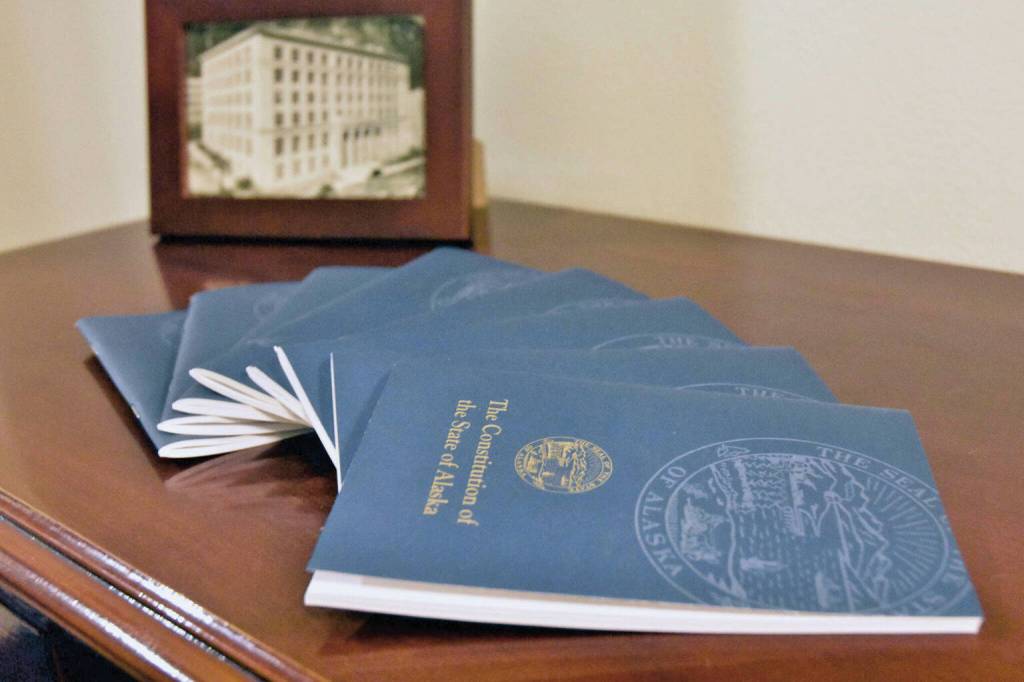
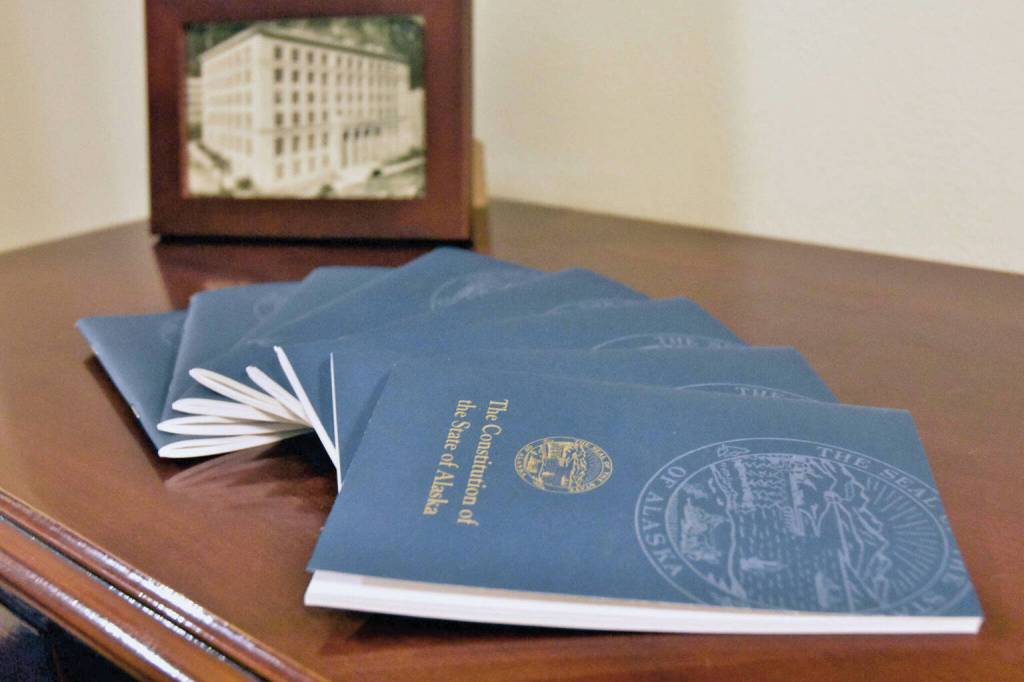
Since then, Alaska’s Division of Elections, under the lieutenant governor’s control, has perpetrated a negative bias via an election pamphlet including a pro and con statement on the convention question. This pamphlet is hugely influential because it is mailed to every Alaskan voter shortly before the election and because voters have minimal knowledge about why Alaska’s framers mandated the convention referendum and how that mandate relates to their present discontent with government.
For other referendums on the ballot, the lieutenant governor must first ask the referendum’s sponsor for the pro statement. This isn’t possible for the convention referendum because the constitution mandates the referendum.
This has given the lieutenant. governor, working with the Division of Elections, tremendous flexibility in choosing the pro statement — flexibility he has been able to exercise secretly, arbitrarily and with minimal democratic accountability. The insiders’ deadline for submitting the statement was recently postponed from May 17 to June 30.
In 2002 and 2012, the last two times the Lieutenant Governor chose a pro statement, he chose the statement of former Alaska Attorney General John Havelock, who in 1992, the previous time the question was on the ballot, wrote the con statement.
Havelock’s conversion from fierce opponent to supporter appears to have been genuine. But he had little sense of the history or democratic function of the convention referendum, and his pro statements failed to clearly state that the Legislature has a blatant conflict of interest in proposing constitutional amendments that might reduce its own power. Instead, he observed that constitutions should change with the times and provided a laundry list of issues a convention might address. Consistent with opponents’ arguments, readers could then infer that it is less costly to let the Legislature propose such amendments.
Havelock’s short 2012 book, “Why We Need An Alaska Constitutional Convention,” features what has become an influential and popular argument to protect Alaska’s Permanent Fund Dividend. Alas, it suffers from the same malady as his pro statements.
The Legislature lacks an incentive to fix the abysmal laws that gave the Lieutenant Governor so much hidden discretion to bias the election pamphlet against calling a convention. After all, the Legislature benefits from the current biased process designed to preserve its gatekeeping power over constitutional amendment. I even wonder if Alaska’s 1970 lieutenant governor, the legally mandated defendant, wholeheartedly sought to defend the pro-convention election result as opposed to his own behavior.
Two logical ways to bias a pro convention election pamphlet are to either pick a respected authority who nevertheless makes a poor case, or pick someone widely viewed as an extremist so what he says won’t matter. For this fall’s pamphlet, my sense is that the lieutenant governor will choose the second approach, which would mesh nicely with convention opponents’ current strategy of making relatively unpopular causes the face of convention supporters. Never mind that voters would never approve such reforms so a convention would be stupid to place them on the ballot.
To write the pro statement, the public should demand that the lieutenant governor find a widely respected authority who can explain the convention referendum’s unique democratic function. If the lieutenant governor yet again acts on behalf of Alaska’s political insiders, then the biased pro statement he orchestrates should be litigated, as in 1972. Would Alaska’s Supreme Court, consistent with its previous claimed concern about biased government ballot information, take on Alaska’s most powerful lawmakers and special interests, who passionately oppose calling a convention and whose support the court’s members often seek in their retention elections? Hopefully, yes.
Barring such a ruling, Alaska’s statutory initiative should be used to permanently fix the pro statement to educate the public about the unique democratic function of Alaska’s decennial periodic convention referendum. There is a shared democratic reason why Alaska’s Legislature wasn’t either allowed to ratify constitutional amendments it proposed or granted monopoly proposal power over all constitutional amendments. That reason: the Legislature has a blatant conflict of interest with the people in constituting its own powers.
• J.H. Snider is editor for the Alaska State Constitutional Convention Clearinghouse.