My Turn: Charting a course toward seafood independence for Alaska’s vulnerable food systems
Published 9:30 pm Thursday, November 7, 2024
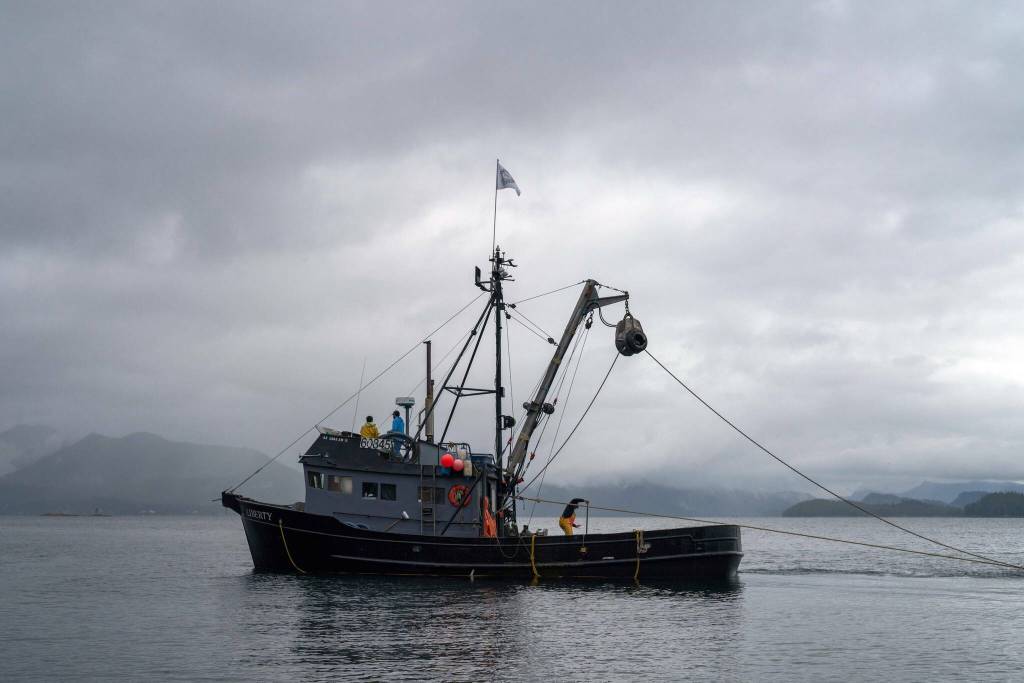
As a commercial fisherman based in Sitka and the executive director of the Alaska Longline Fishermen’s Association (ALFA), I’ve spent decades navigating Alaska’s challenging waters and the headwinds facing our fishing communities. Alaska’s coastal residents are resilient, but they are up against a new magnitude of challenges. The loss of fishing access and community-based processing capacity, along with a dearth of local markets for seafood, are straining once vibrant fishing economies up and down our coastline.
I recently contributed to a fisheries access report commissioned by the Alaska Sustainable Fisheries Trust (ASFT), which highlights the outmigration of fishing access in Southeast Alaska. Communities with historically robust local fishing fleets now see few active vessels based in town. This trend is acute in communities such as Kake, which has lost its local processor — and with it, a viable market for resident fishermen. Through interviews and in-person engagement, ASFT’s report found that a common concern among fishermen was the loss of a local fish buyer. When this happens, resident fishermen often sell their permits or abandon fishing altogether. The double blow of losing a local buyer and having to relinquish fishing rights has driven many families away from long-standing communities and hometowns, resulting in the closure of schools and businesses, weakening the viability of fishing as a way of life.
Right now our fishing communities need federal support to pursue economic resilience and seafood independence. That’s why I’m grateful to Rep. Mary Peltola for introducing the Domestic Seafood Production Act (DSPA), alongside Reps. Troy Carter (D-LA) and Suzanne Bonamici (D-OR). By investing $90 million, DSPA will help stem the loss of fishery access, support the development of localized markets, secure coastal fishing livelihoods, and ultimately foster prosperous fishing communities.
By enabling more of our local catch to be processed and consumed where it was landed, DSPA will bolster communities’ food security. Many of us have witnessed supply chain breakdowns that exposed the fragility of Alaska’s food system. The global COVID pandemic is recent proof that our dependence on an external food supply leaves us vulnerable to empty shelves. With our state’s heavy reliance on imported food and remote supply routes, the threat of disruption is simply too high.
The COVID-19 pandemic also revealed the deep-rooted economic instability of Alaska’s seafood system. When restaurants shut down overnight, high-quality seafood was stranded at docks. Together, ALFA and ASFT sprang into action to launch the Seafood Distribution Network. We quickly connected food-insecure families with fresh, nutritious seafood, and donated in bulk to local pantries and wellness organizations.
Increasingly, consolidation in the seafood industry has become the norm. With only a handful of major processors left in Alaska, any big player that withdraws from a market can jeopardize communities’ ability to participate in local fisheries. This trend threatens fishing communities nationwide. DSPA, which reinvests in these communities, will benefit community-based operations from here to the Gulf of Mexico and East Coasts. I can’t stress enough that we need more community-based seafood infrastructure to ensure that small-scale fishermen can maintain access to local fisheries, process their catch locally, and sell directly to local consumers. With so much federal investment going toward infrastructure nationwide, DSPA makes sure our seafood systems aren’t left out of the equation.
In addition to supporting local seafood infrastructure, DSPA hits “pause” on the development of industrial-scale offshore finfish aquaculture. These floating factory farms pose real dangers to our marine ecosystems through overfishing for fish feed, mass escapes, nutrient pollution, and spread of diseases. DSPA would halt the alarming practice of federal agencies fast-tracking permits and funding for these operations, while commercial harvesters struggle to get by. Our community-based fishermen need support, not government-sponsored competition.
Ultimately, our domestic seafood systems are robust and a solid investment. A new study from the University of Maine demonstrates that U.S. seafood independence is within reach. Yet, even though U.S. fishermen land about seven billion pounds of edible seafood annually, our nation imports between 65-90% of our seafood. In an absurd and backwards arrangement, much of the seafood we consume is caught stateside, processed abroad, then re-imported.
Now is the time for the U.S. to invest in domestic seafood processing and distribution, which will boost seafood independence and staying power for our Alaska communities.
• Linda Behnken is a commercial fisherman and the executive director of the Alaska Longline Fishermen’s Association.