Opinion: ‘Hang them,’ Trump said
Published 4:30 am Wednesday, November 26, 2025
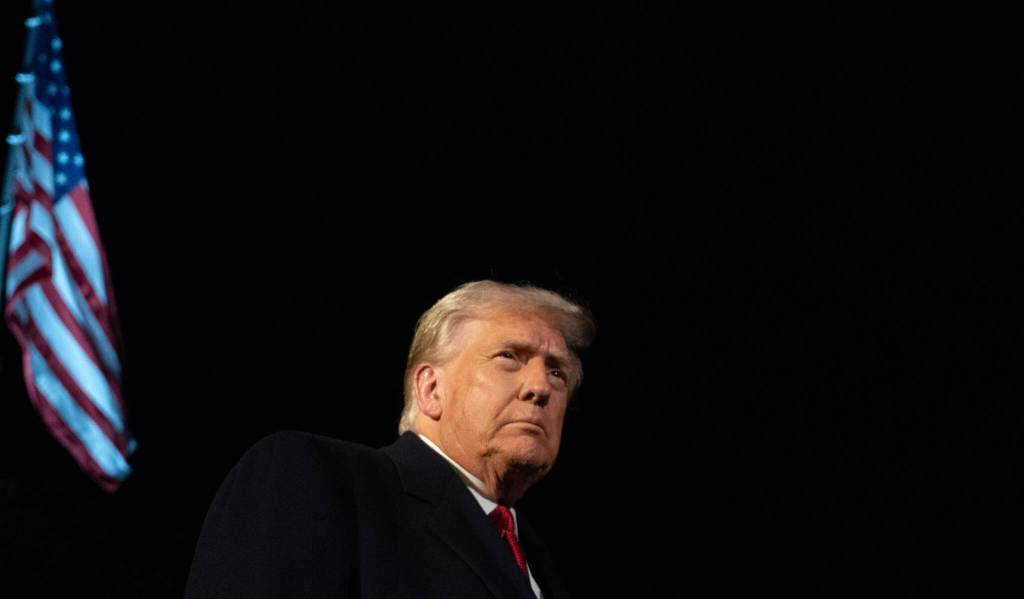
On Nov. 20, President Donald Trump attacked Senators Slotkin and Kelly and Representatives Crow, Houlahan, Goodlander, and Deluzio after they released a video reminding service members that they must refuse illegal orders. He labeled their message “SEDITIOUS BEHAVIOR, punishable by DEATH” and reposted an online call to “HANG THEM GEORGE WASHINGTON WOULD !!” This was not mere hyperbole. It was a threat issued by a sitting president toward elected officials engaged in lawful oversight.
The legal context underscores the gravity of the accusation. Sedition, as Trump used the term, is not a capital offense under federal law. Federal treason law is even narrower: it applies only to overt acts of levying war against the United States or providing aid and comfort to its enemies. Political speech, even when critical of presidential authority, is protected under the Constitution. The president lacks any lawful authority to threaten execution for political speech. Trump’s statement shows ignorance, severe mental decline, and willingness to violate constitutional limits.
Over the past ten months, the pattern has become unmistakable. Trump has repeatedly misidentified senior officials during public remarks, confused foreign leaders with historical figures, accused agencies of plots that no evidence supports, and delivered unscripted comments that advisers later rushed to reinterpret. These incidents were troubling in isolation, but they stopped short of explicit calls for violence against elected leaders. The November 20 statement marks a decisive escalation, linking cognitive deterioration with the direct misuse of presidential authority. It is the first time his mental decline has produced a demand for lethal action against members of Congress.
Such behavior reveals not only authoritarian impulses but also a troubling, continuing decline in cognitive stability. The inability to distinguish lawful criticism from treasonous conduct suggests severely impaired reasoning and dangerous detachment from constitutional boundaries.
The Republican majority in Congress has, for the most part, ignored or even defended Trump’s misspoken or delusional speech, even though Trump’s progressive mental decline is on display daily. Many Republicans claim government should be run like a business. No private organization would ever retain such a mentally compromised CEO.
History provides important perspective. Presidents have governed through illness, age, and physical impairment. No president has ever sought to use the power of the state to threaten the lives of political opponents. Trump’s conduct falls far outside the norms that have preserved the republic through crisis. If a president genuinely believes a member of Congress has violated the law, the Constitution offers lawful procedures. He may refer concerns to the Department of Justice. Congress may investigate independently. What a president cannot do is bypass legal processes and inflame the public with suggestions of execution. Such actions foster political violence and destroy public trust in democratic institutions.
The Constitution also provides remedies for a president who has become unfit. The Twenty-Fifth Amendment allows the vice president and a majority of the cabinet, or Congress itself, to declare a president unable to discharge the duties of office. Impeachment remains available for high crimes and misdemeanors. Trump’s conduct on Nov. 20 satisfies the threshold for both.
Alaska’s congressional delegation now faces a responsibility that cannot be delayed or evaded. Senators Murkowski and Sullivan and Representative Begich took an oath to defend the Constitution. That oath now requires expeditious public action, because a president who calls for the execution of Members of Congress for performing their duties has crossed a line that no democracy can tolerate.
For Alaska’s delegation, the path forward is clear. They must promptly acknowledge publicly that the president’s behavior represents a risk to constitutional government. They must recognize that the issue is not partisanship but rather the stability of the executive branch and the safety of Members of Congress. When a president calls for the killing of elected officials for speaking about constitutional obligations, the danger is already present.
Silence now is abdication. Alaska’s delegation must call for immediate action under the Twenty-Fifth Amendment or for impeachment proceedings. They must encourage bipartisan recognition that the president’s mental state threatens national stability. Political caution cannot outweigh constitutional duty. Constituents will be watching.
The future of the republic depends on elected leaders who will defend the Constitution when it is most at risk. Murkowski, Sullivan and Begich must state this openly. They must lead, speak without hesitation, and insist on the removal of a president whose cognitive decline and escalating threats now endanger the nation.